
Ask any seasoned wellness traveler in Asia to name the region's top destinations and you will hear a familiar list: Bali for yoga, Bangkok for spa-medical packages, Kyoto for ryokan and onsen, Bhutan for mindfulness at altitude. Taiwan rarely makes that opening shortlist. Yet for travelers who actually do their homework — or who follow a health-conscious friend's recommendation — the island reveals one of Asia's richest, most underrated wellness ecosystems. Volcanic hot springs, ancient cypress forests, living tea culture, traditional Chinese medicine still embedded in daily life, and a uniquely seamless overlap between hospitals and spa towns. This is a deep look at why Taiwan deserves a much bigger seat at the wellness table — and how to actually experience it.
Why Taiwan stays under the radar in wellness travel
Taiwan's relative obscurity in the global wellness conversation is not because it lacks the goods. It is mostly a marketing and language story. Compared to Bali's decades of yoga branding or Thailand's coordinated medical tourism push, Taiwan has historically marketed itself on tech manufacturing, food culture, and night markets. Wellness as a positioning category was simply not part of the official tourism narrative until very recently.
Several structural reasons reinforce the "hidden" framing:
- Language: Many of the best hot spring towns, tea estates, and traditional Chinese medicine shops operate primarily in Mandarin and Taiwanese, with limited English signage outside major hotels.
- Marketing fragmentation: Wellness in Taiwan is run by small family operators — neighborhood bathhouses, family tea farms, single-clinic herbalists — none of whom have the budget for international SEO or influencer campaigns.
- Tourism KPI focus: Government tourism boards have historically chased visitor volume, not premium-niche wellness positioning.
- Geographic confusion: Western travelers often conflate Taiwan with mainland China, missing that the cultural texture, food safety, and infrastructure are closer to Japan than to Beijing.
- Domestic demand satisfies supply: Taiwan's hot springs, retreats, and TCM clinics are full of local wellness travelers, so operators rarely need international guests to stay profitable.
The result is a wellness landscape that feels surprisingly authentic. You will not find a Westernized yoga-retreat industrial complex. You will find a Taiwanese grandmother quietly soaking in the same Beitou bathhouse she has visited every Tuesday for forty years. For the right traveler, that is the entire point. For travelers exploring this thesis further, our overview of the future of wellness tourism in Taiwan covers the strategic angle in depth.
Taiwan's hot springs — the volcanic geological gift
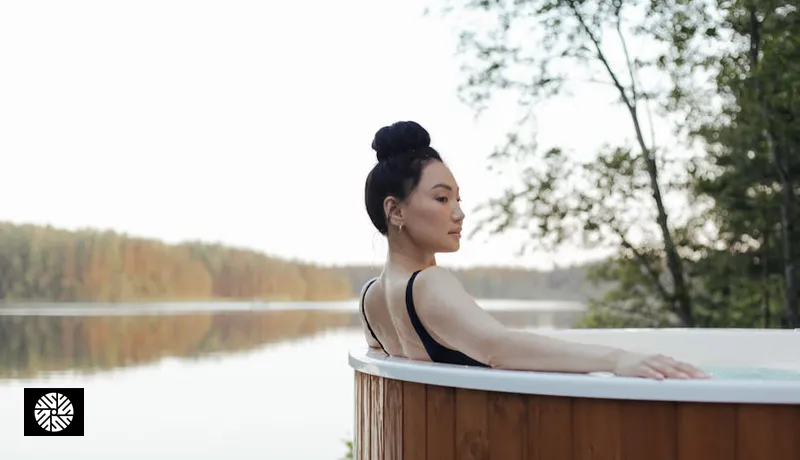
Taiwan sits on the Pacific Ring of Fire, with active volcanic systems running through Yangmingshan in the north and a chain of geothermal zones extending down both coasts. The result is one of the world's densest concentrations of natural hot springs — over 100 named sources spread across an island roughly the size of Maryland. What makes Taiwan's hot springs distinctive is not just quantity but variety: each region has a different mineral profile and therapeutic character.
Hot springs by region and mineral profile
| Region | Mineral Profile | Character | Best For |
|---|---|---|---|
| Beitou (Taipei) | Sulphur (white & green) | Urban, historic Japanese-era bathhouses | First-timers, skin conditions, easy access from Taipei |
| Wulai (New Taipei) | Sodium bicarbonate (clear) | Aboriginal Atayal village setting, riverside | Soft skin (often called "beauty water"), couples |
| Yangmingshan (Taipei) | Strong sulphur, acidic | Mountain national park, fumaroles & trails | Hikers, dermatological conditions |
| Jiaoxi (Yilan) | Cold-spring & carbonic | Cold soak (rare), bamboo forests | Summer travelers, circulation |
| Guanziling (Tainan) | Mud spring (alkaline saltwater) | One of only three mud springs worldwide | Skin exfoliation, novelty seekers |
| Lushan (Nantou) | Weakly alkaline carbonic | High mountain, indigenous villages | Quiet retreat, mountain pairings |
| Zhiben (Taitung) | Sodium bicarbonate | East coast, Pacific views, ancestral Bunun lands | Off-the-grid travelers |
Beitou alone deserves a paragraph. Reachable in 35 minutes from central Taipei by metro, it sits inside a forested valley where steam rises visibly from public street drains in winter. The Beitou Hot Spring Museum, the historic Plum Garden, and the high-end Spring City Resort all share the same volcanic source. Few cities in the world give you a metro ride directly into a working geothermal valley. Our deeper guide to the best spas and hot springs in Taiwan covers specific properties and pricing.
Forest therapy — Alishan cypress to Lalashan giants
Japan formalized shinrin-yoku (forest bathing) in the 1980s, and the practice is now backed by a substantial body of research showing benefits to cortisol levels, blood pressure, and immune markers. What is less known internationally is that Taiwan has a forest therapy culture every bit as serious — the practice is called 森林浴 — and it has access to some of the oldest cypress forests on earth.
- Alishan National Forest: The legendary cypress forest at 2,200m elevation, with thousand-year-old Taiwan red cypress (Chamaecyparis formosensis), the famous sunrise above the sea of clouds, and a small alpine railway. The phytoncide concentration in these forests is among the highest measured anywhere in Asia.
- Lalashan (Taoyuan): Home to the "Divine Tree Cluster" — over 20 cypress trees more than 1,000 years old, with one specimen estimated at 2,800 years. Less crowded than Alishan, and a feasible day trip from Taipei.
- Xitou Forest Recreation Area (Nantou): Bamboo forests and a "university experimental forest" — wide flat trails, ideal for older travelers or anyone wanting forest immersion without the climb.
- Yangmingshan: Mixed broadleaf and grassland; combines hot springs and forest therapy in one park.
- Taipingshan (Yilan): Misty cypress forests with one of Taiwan's most beautiful boardwalks, the Jianqing Huaigu Trail.
Forest therapy in Taiwan is structurally easier than in Japan because most named forests are inside national parks or forest recreation areas with clear English signage at trailheads, paved or boardwalked paths, and bus access. You do not need a guide or a booking. You need a half-day and good shoes. Our guide to Taiwan's best natural spots includes specific access and trail recommendations.
Tea culture as wellness practice
Tea in Taiwan is not a beverage. It is a daily practice with measurable wellness implications, taken seriously by everyone from elderly farmers to fund managers in Taipei. Three regions matter most for travelers:
- Maokong (Taipei): A gondola from the Taipei Zoo carries you up a tea-terraced mountainside dotted with traditional tea houses. You can sit for hours overlooking the city, brewing pot after pot of Tieguanyin or Baozhong oolong. This is the most accessible introduction to formal Taiwanese gongfu cha (功夫茶) tea ceremony for international visitors.
- Alishan high mountain oolong: Grown above 1,000m, prized for floral aromatics and a creamy, lingering finish. Many farms welcome day visitors and offer brewing instruction.
- Sun Moon Lake black tea (Ruby #18): A Taiwanese-developed cultivar that produces a distinctive cinnamon-and-mint black tea found nowhere else. The lakeside setting at Sun Moon Lake makes it one of the most photogenic tea regions in Asia.
The wellness value of Taiwanese tea practice is partly the antioxidants and L-theanine in the leaves, but as much it is the ritual itself: 90 minutes of slow brewing, conversation, and intentional presence. It is meditation disguised as a hobby.
TCM still alive in everyday Taiwanese life
One of the most striking things for first-time visitors from the U.S. or Europe is that Traditional Chinese Medicine in Taiwan is not a tourist novelty — it is medical infrastructure. Most neighborhoods have a TCM clinic on the same block as the 7-Eleven. National Health Insurance covers acupuncture, herbal prescriptions, and tuina (Chinese medical massage). Hospitals routinely offer integrated TCM departments alongside Western specialties.
For visitors, three experiences are worth seeking out:
- Dihua Street herb market (Taipei): A 150-year-old commercial street where dried medicinal herbs, ginseng, dried mushrooms, and traditional remedies are sold in century-old shops. Even non-buyers find it a sensory experience.
- Neighborhood TCM pharmacy consultation: Many pharmacies offer brief consultations where a practitioner takes your pulse, examines your tongue, and recommends a customized herbal tea. Around USD 15-30 in most cities.
- Hospital integrated TCM clinic: Major hospitals like Chang Gung Memorial and Taipei Veterans General have integrated TCM departments staffed by physicians with both MD and TCM training. This is rare globally.
For wellness travelers, the quality bar is unusually high because TCM here is regulated as medicine, not as wellness lifestyle. Practitioners require a 6-7 year medical-equivalent degree and licensing exam.
Wellness-medical integration — the unique Beitou model
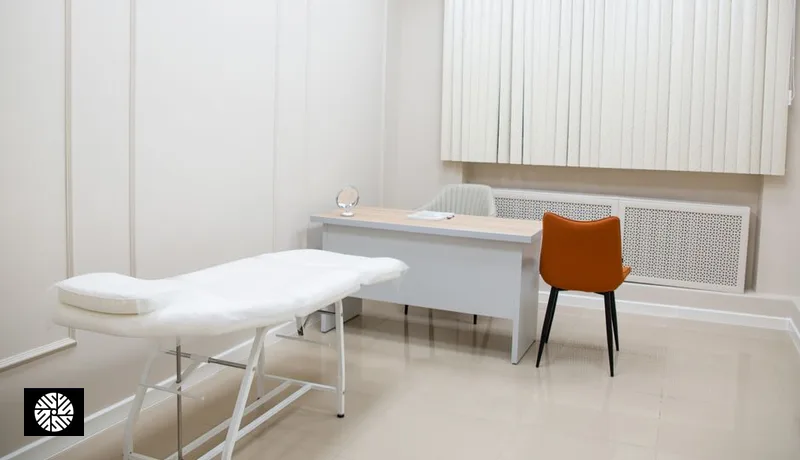
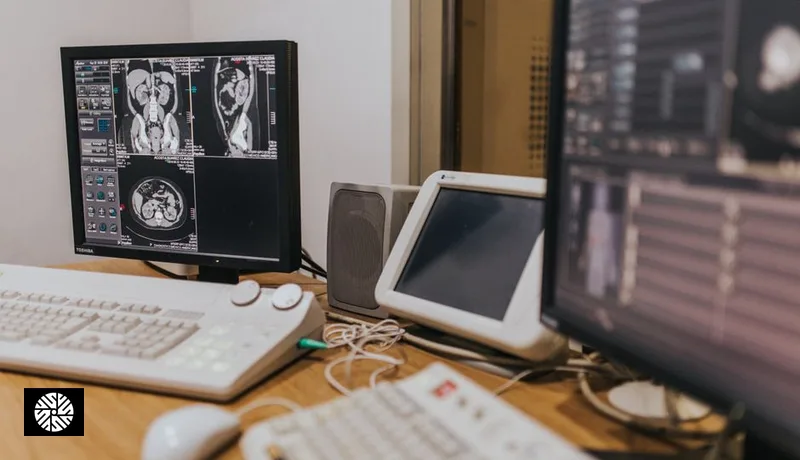
This is where Taiwan does something genuinely rare on the world map. Beitou Health Management Hospital is a major hospital located within walking distance of the Beitou hot spring district. Patients can complete an executive physical or a full-body MRI in the morning and be soaking in a thermal bath by lunchtime. Several other Taiwanese hospitals follow the same model — screening hospitals deliberately built within 30 minutes of recovery destinations.
Compare this to almost any other country. In the U.S., hospitals are zoned to commercial districts, and the nearest spa is a chain hotel. In Singapore, hospitals are excellent but recovery happens in the city center. In Japan, ryokan are beautiful but rarely co-located with executive screening centers. In Taiwan, the same volcanic geology that produced the hot springs also produced an unusual urban planning history where premium medical facilities sit beside therapeutic landscapes.
This is exactly the opportunity that platforms like New Dawn Health are built around: a Taipei-based health screening can be combined with the same week's hot spring stay, forest immersion, and tea ceremony. To see how Americans specifically have used this combination, our case-driven post on why Americans find true wellness recovery in Taiwan walks through actual itineraries.
Wellness retreats and ryokan-style stays
Taiwan's premium wellness lodging often flies under the radar of luxury travel media because operators rarely participate in international hotel awards. The properties below are well-known domestically and consistently rated among Asia's quiet best:
- The Lalu (Sun Moon Lake): Aman-tier minimalist hotel on the lake's edge, with infinity pools, private cypress baths, and tea-tasting suites. Often shortlisted as Taiwan's most beautiful resort.
- Volando Urai Spring Spa & Resort (Wulai): Riverside hot spring resort with private suites, each featuring a personal soaking tub fed by Wulai's "beauty water" springs.
- Spring City Resort (Beitou): The grand dame of Beitou — Japanese-Taiwanese fusion architecture, multiple sulphur pools, full-service spa, easy walk to Beitou Park.
- Villa 32 (Beitou): Hidden boutique with only five villas, each with its own private hot spring tub and garden. Reservations open months in advance.
- The Gaia Hotel (Beitou): Modern wellness hotel known for its wellness floor — private soaking lounges, yoga deck, and signature spa treatments.
- Hoshinoya Guguan (Taichung): The Japanese Hoshinoya group's only Taiwan property — minimalist mountain ryokan-style stay with private outdoor hot springs.
Our editorial guide on the best spas and hot springs in Taiwan details rate ranges, signature experiences, and booking lead times for each property.
Vegetarian Buddhist cuisine and farm-to-table
Taiwan has the highest per-capita rate of vegetarian dining in Asia, partly because of strong Buddhist traditions and partly because vegetarianism (素食, sushi) is mainstream rather than niche. Most night markets and food courts include dedicated vegetarian stalls. Many restaurants are entirely vegan-Buddhist, serving elaborate multi-course meals built around mushrooms, tofu, fermented vegetables, and seasonal produce.
Three food-wellness threads are worth exploring:
- Vegetarian Buddhist cuisine: Try a temple-adjacent restaurant or a buffet at a major chain like Loving Hut or Springfield Vegetarian. Rich umami flavors achieved without meat, MSG, or strong alliums.
- Fermented foods: Stinky tofu (more nuanced than its name suggests), pickled mustard greens, fermented black beans, traditional rice wines. Probiotics built into daily meals.
- Farm-to-table in Yilan and Hualien: Taiwan's east coast is a young organic farming hub. Farms like Vilavilla in Yilan offer day visits and farm meals. Hualien's Guangfu Sugar Factory area has rebuilt itself around organic rice and small-batch teas.
Soup-based dishes — beef noodle, pork rib radish soup, herbal chicken broth — are central to Taiwanese food culture and represent another quiet wellness layer. They are warm, slow-cooked, deeply mineral, and built on bone broths that have become a Western wellness export only in the last decade.
How Taiwan compares to other Asian wellness destinations
The fairest way to position Taiwan is not as "better than" but as "structurally different from" the more famous Asian wellness destinations. The table below compares the primary offering of each:
| Destination | Primary Offering | What Taiwan Adds |
|---|---|---|
| Bali | Yoga, tropical retreats, plant medicine | Volcanic hot springs, urban-nature integration, modern medical infrastructure |
| Bangkok / Phuket | Spa, medical tourism (cosmetic, dental) | More moderate climate, integrated TCM, premium screening with English-speaking specialists |
| Kyoto / Hakone | Ryokan + onsen, temple culture | More affordable, less rigid etiquette, broader hot spring variety, easier English navigation in hospitals |
| Bhutan | Mindfulness, altitude, isolation | Cosmopolitan urban access, internet, food variety, modern healthcare on the same trip |
| Kerala (India) | Ayurveda, panchakarma cleansing | Comparable medical-traditional integration but with East Asian (TCM) framework |
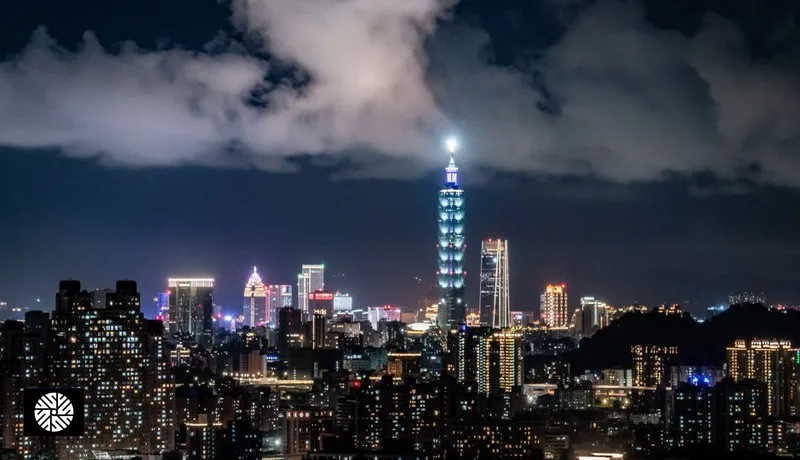
The structural advantage Taiwan has is the combination of cosmopolitan urban + immediate nature access. From a hotel room in central Taipei, you are 35 minutes from a sulphur hot spring, 60 minutes from cypress forest, two hours from the Pacific coast, three hours from a high-mountain tea farm, and immediately surrounded by some of Asia's best food. Few places stack that combination so densely.
Pairing wellness with screening — the practical itinerary
For travelers who want to combine a comprehensive health screening with a wellness loop, the geography works in your favor. Below is a five-day template that platforms like New Dawn Health can structure around:
- Day 1 (Taipei): Morning health screening — full-body MRI or executive physical (4-6 hours). Afternoon recovery at the hotel; light dinner.
- Day 2 (Beitou): Move to Beitou for hot spring immersion. Evening soak at a Beitou ryokan-style property; in-room consultation review of preliminary results.
- Day 3 (Yilan or Sun Moon Lake): Forest therapy day. Hike Taipingshan or visit Alishan; tea ceremony in the afternoon.
- Day 4 (Sun Moon Lake or East Coast): The Lalu or Hualien farm-to-table. Vegetarian Buddhist meal; private massage; sleep early.
- Day 5 (Taipei): Return to Taipei for final consultation — full results review, personalized recommendations, optional TCM consultation, follow-up plan. Departure flight in the evening.
This pattern — screen at the start, recover and integrate in the middle, debrief at the end — is structurally what makes Taiwan work as a wellness destination. The screening informs the wellness; the wellness gives the body time to absorb what the screening found. To see our network of partner clinics and providers across Taiwan, or to start designing a screening-plus-wellness trip, the services overview is the right starting point.
Final thought
Taiwan's wellness story is still being written for an international audience. The infrastructure is mature; the marketing is just catching up. For travelers willing to go slightly off the well-worn Bali-Bangkok-Kyoto track, the reward is a destination where the volcanic geology, the cypress forests, the tea ceremonies, the TCM pharmacies, and the modern hospitals all meet inside a single, accessible week. Hidden, for now. Probably not for much longer.
Tightest viable plan — Friday-Sunday 3 days
The 3-day weekend is feasible but tight. We recommend it only when work calendars genuinely won't allow more, and we recommend you arrive well-rested rather than pushing through a stressful Friday at the office. Here's how the hours actually unfold.
Friday afternoon — depart home city, arrive Taipei by evening. Take a 2-4pm flight whenever possible. Arrive at TPE between 4-9pm depending on origin. A pre-arranged car gets you to your Beitou or central Taipei hotel within 45-60 minutes. Light dinner — congee, a clear soup, steamed fish — nothing rich or alcoholic. In bed by 10:30pm. Set alarms.
Saturday — rest and prepare. Sleep in until natural waking. A walk around your hotel neighborhood. Light lunch. The afternoon is intentionally slow — read, take a nap, walk in Daan Forest Park if you're staying central. Saturday early evening, transfer to your Beitou hot spring hotel if you're not already staying there. A short hot spring soak (15-20 minutes maximum, not the full 45-minute session) before dinner. Light early dinner. Begin fasting from 10pm. In bed by 10:30pm.
Sunday morning — screening. Wake at 6:30am. Black coffee or water only — no breakfast. Arrive at the screening center by 7:30am. The full MRI-led executive screening typically runs 8am to noon. By 12:30pm you're done.
Sunday afternoon — debrief and depart. Light lunch. A 12-2pm doctor debrief covering preliminary findings (full report follows by email within 5 business days). 3pm transfer to TPE. 5-8pm flight home depending on destination. Land back in Hong Kong, Manila, Seoul, or Tokyo Sunday evening. Singapore and Bangkok travelers land late Sunday night.
This compresses everything into 72 hours. It works, but you give up the post-screening recovery day. Most executives who do this version once switch to the 4-day version the following year.
3-day vs 4-day weekend plans compared
| Element | 3-day Friday-Sunday | 4-day Friday-Monday |
|---|---|---|
| Total time away | ~72 hours | ~96 hours |
| Work days missed | 0 (Friday afternoon flexible) | 0-1 (Monday flexible) |
| Rest day before screening | Saturday only | Saturday (full) |
| Recovery window after screening | 3-4 hours Sunday afternoon | Sunday afternoon + Monday morning |
| Doctor debrief style | Compressed Sunday lunch debrief | Proper Monday morning sit-down |
| Beitou hot spring time | Saturday evening + brief Sunday stop | Saturday evening + full Sunday afternoon |
| Tuesday return-to-work state | Functional but tired | Genuinely rested |
| Best for | Hong Kong, Manila, Seoul travelers | Singapore, Bangkok, Tokyo travelers |
Our screening services team handles end-to-end coordination for both formats — flight timing recommendations, Beitou hotel partner rates, screening-center scheduling, and the doctor debrief booking. Most weekend travelers don't manage any of this themselves; they hand over their dates and let the coordinator stitch the trip together. To compare provider options, see our provider directory.
Beitou — the natural pairing
Beitou is also where one of our flagship partner hospitals — Beitou Health Management Hospital — happens to be located. The combination is intentional and uncommon. Most cities don\'t have a world-class screening hospital co-located with a hot springs ecosystem. The walk from Xinbeitou MRT exit to the hospital is roughly 8 minutes. The walk from the hospital to most of the named hot spring hotels is between 4 and 12 minutes. You can finish your debrief at 9:45 AM and be soaking by 11.
The typical 4-day post-screening pattern American patients describe:
- Day 1 (screening morning): 4-hour clinical workup, 8 AM to noon. Light lunch at hospital cafe. Afternoon rest at hotel; many patients go to bed early to compensate for fasting and jet lag.
- Day 2 (debrief morning): 30-minute physician debrief at 9 AM. Free remainder of day — typically a long lunch + Beitou hot springs in the afternoon. Evening dinner in Taipei (Din Tai Fung at Xinyi or a beef noodle pilgrimage).
- Day 3: extended hot springs morning, walking in Beitou Park, optional Yangmingshan day trip. Light hotel dinner.
- Day 4: light morning, soak, return flight afternoon — total trip 5 nights.
Sources & Further Reading
- CDC — Travel health information for Taiwan
- Taiwan Bureau of Consular Affairs — visa and entry
- Taiwan Tourism Bureau — official travel resources
- Central Weather Administration of Taiwan
- Taiwan High Speed Rail — official site
- Taipei Metro (MRT) — official
Frequently asked
Which Taiwan hot spring is best for first-timers?
Beitou is the easiest first hot spring experience in Taiwan. It is reachable in 35 minutes by metro from central Taipei, has excellent English signage, multiple price tiers (from public bath to luxury Spring City Resort or Villa 32), and the historic Beitou Hot Spring Museum nearby provides cultural context. The sulphur waters are well tolerated and known for skin benefits. If you prefer a softer mineral profile, Wulai is a close second — its sodium bicarbonate "beauty water" is gentler on sensitive skin.
Is Taiwan's Traditional Chinese Medicine (TCM) safe to try as a Western visitor?
Yes, with the usual caveats. Taiwan regulates TCM as medicine — practitioners must complete a 6-7 year medical-equivalent degree and pass a national licensing exam, and major hospitals run integrated TCM departments. For visitors, the safest path is a hospital-affiliated TCM clinic or a recommended neighborhood pharmacy rather than an unverified street-level shop. Always disclose any medications you are taking, as some herbs can interact with prescription drugs (especially blood thinners and anti-seizure medications). Acupuncture and tuina massage are generally very safe with licensed practitioners.
Where is the best forest therapy in Taiwan?
For first-time forest bathers, Alishan offers the most iconic experience — thousand-year-old Taiwan red cypress, the famous sea-of-clouds sunrise, and well-marked trails. For travelers based in Taipei who want a day trip, Lalashan in Taoyuan has cypress trees over 2,000 years old and far fewer crowds. For accessibility (older travelers, anyone wanting flat trails), Xitou Forest Recreation Area is ideal. And if you are already in a national park visiting hot springs, Yangmingshan combines forest therapy and hot springs in one location.
Can I book a wellness retreat in Taiwan as a couple?
Absolutely — most premium properties cater specifically to couples. Volando Urai Spring Spa offers private suites with personal hot spring tubs in every room. Villa 32 in Beitou has only five villas, each with a private soaking garden. The Lalu at Sun Moon Lake has lakeside suites with private cypress baths. Hoshinoya Guguan offers Japanese-style private outdoor onsen. Most couples-focused properties book up months ahead, especially Villa 32 and The Lalu, so plan early.
How does Taiwan compare to Bali for wellness travel?
They serve different traveler profiles. Bali is built around yoga, tropical retreat culture, and plant-medicine experiences in a hot climate. Taiwan is built around volcanic hot springs, cypress forest therapy, tea culture, and traditional Chinese medicine in a temperate climate with cosmopolitan urban infrastructure. If you want yoga and beach in 30C heat, choose Bali. If you want hot springs, hospital-grade screening, mountain forests, and the ability to combine wellness with modern urban amenities and food, choose Taiwan. Many serious wellness travelers do both, on different trips.
Can I combine a wellness trip with a health screening morning?
Yes — this is one of Taiwan's structural advantages. The Beitou Health Management Hospital model places premium screening facilities within 30 minutes of hot spring recovery destinations, which is uncommon globally. A typical pattern is: morning full-body MRI or executive physical in Taipei (4-6 hours), afternoon transfer to Beitou or Wulai for hot spring recovery, and a final results consultation 3-5 days later after exploring forests, tea regions, or the east coast. Platforms like New Dawn Health coordinate this end-to-end, including English-speaking specialists, transfers, and accommodation.