
Walk into any busy café in Taipei on a weekday afternoon and you will see something that makes visiting Americans physically uncomfortable: a laptop open on a table, a phone beside it, a wallet on top of a notebook — and no owner in sight. The owner is in the restroom. Or ordering. Or, occasionally, outside taking a call.
The objects are not unattended by accident. They are the seat reservation. In Taiwan, leaving a phone on a table is how you tell the room that the table is taken.
This single habit tells you more about daily life in Taiwan than any statistic. But the statistics agree. In Numbeo's 2026 crime and safety data, Taiwan ranked fourth in the world at the country level with a safety index of 83.0, and Taipei placed sixth among world cities at 83.5. For most visitors, the practical translation is simple: the ambient calculation you run constantly in an American city — where is my bag, who is behind me, is this street fine at this hour — mostly switches off.
What "Safe" Actually Looks Like Day to Day
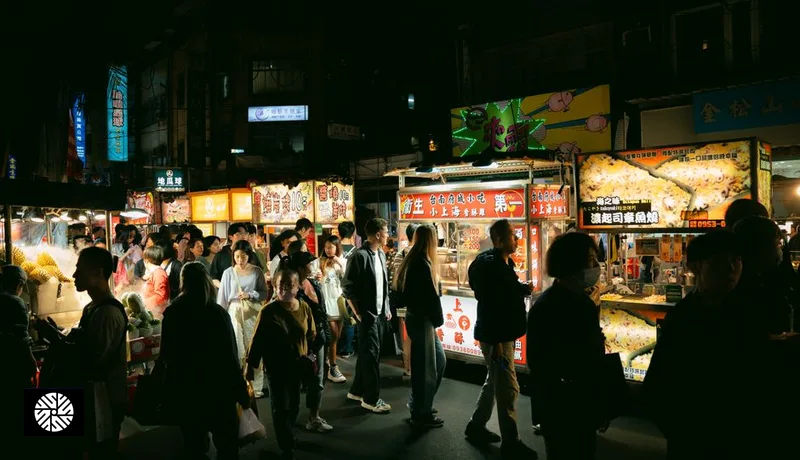
- Late-night walking is unremarkable. Night markets run until midnight and beyond, convenience stores are open and lit on nearly every block, and residential streets stay populated. Women walking alone at 11 p.m. is ordinary, not brave.
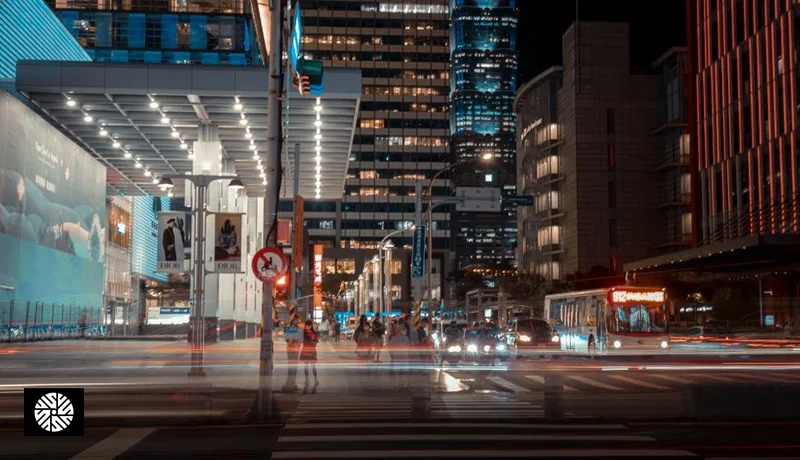
- Public transit is calm. The Taipei MRT is clean, monitored, and quiet — eating and drinking are prohibited inside stations and trains, which sounds severe until you ride it.
- Lost items come back. Umbrellas, phones, wallets, laptops, passports. MRT systems and railway stations run lost-and-found offices, taxi fleets log trips, and police stations accept and hold found property. Recovery is not guaranteed, but it is the expected outcome rather than a miracle.
- Bicycles and scooters sit outside all night. Locked, usually — but parked on the street in enormous numbers.
- Shops trust you. Produce stands with a cash box and no attendant, unlocked delivery parcels stacked in lobbies, self-service tea stands in small towns.
The Ranking That Confuses People
If you research this before your trip, you will hit an apparent contradiction. Taiwan sits around 42nd in the Global Peace Index while ranking fourth on Numbeo's safety index. Both numbers are correct, because they measure different things.
The Global Peace Index weighs militarization, geopolitical tension, and regional conflict risk alongside domestic crime. Taiwan's score is shaped heavily by its strategic situation — not by whether your bag is safe in a Taichung coffee shop. Numbeo's index reflects lived experience of crime: perceived safety walking alone at night, worry about theft, assault, and burglary.
Travelers who confuse the two arrive expecting tension and instead find one of the most relaxed street environments in the developed world. Day-to-day Taiwan is defined by the second number.
Where Does the Trust Come From?
Several things reinforce each other:
Density with eyes on the street. Taiwanese cities are built as mixed-use, ground-floor-retail environments. Shops, apartments, schools, and temples sit stacked in the same blocks, which means there is almost always someone watching a street simply because they live and work on it.
Convenience stores as public infrastructure. With more than 13,000 of them island-wide, a 7-Eleven or FamilyMart is usually within a few minutes' walk — lit, staffed, open 24 hours, and a natural refuge if anything feels wrong.
Cameras and reporting. Urban Taiwan is heavily covered by public and private CCTV, and police stations are small, numerous, and locally embedded. Reporting a lost item is a routine errand rather than a bureaucratic ordeal.
A social norm against small opportunism. The cultural piece is harder to measure but obvious once you are here. Taking something that is not yours — a phone on a table, cash from a dropped wallet — reads as shameful in a way that outweighs the small gain. It is the same instinct that produces orderly queues and a waste system built on carrying your own trash home.
What Actually Deserves Your Caution
Honest travel writing does not stop at the flattering half. The risks in Taiwan are real, but they are different from the ones American visitors instinctively guard against.
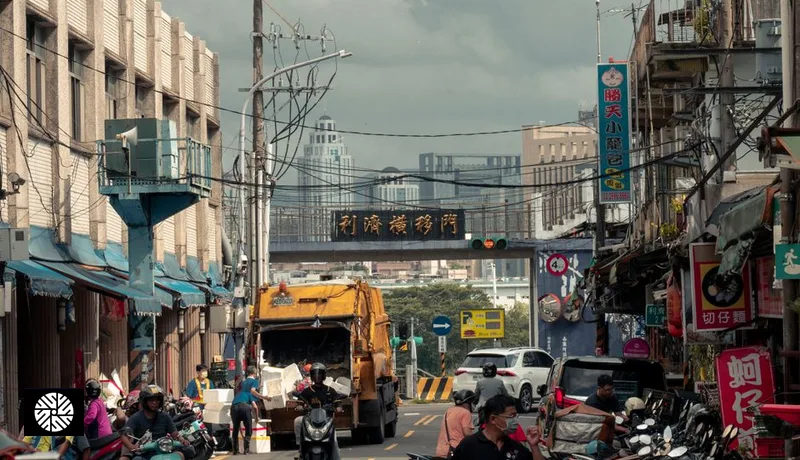
- Traffic is the genuine hazard. Scooters dominate, they filter through gaps, and they turn across crosswalks. Look both ways twice, do not assume a green pedestrian signal clears the lane, and be especially careful stepping out from between parked vehicles.
- Fraud, not street crime. Taiwan has a serious and well-documented problem with telecom and investment scams — fake officials, fake shipping notices, fake romance and crypto schemes. Almost none of it targets short-term visitors in person, but it is why locals treat unknown calls with suspicion. Taiwan runs a dedicated anti-fraud hotline, 165.
- Tourist-density pickpocketing. Rare, not absent. Crowded night markets, Ximending, and major festival crowds still deserve ordinary awareness.
- Nature, weather, and terrain. Typhoon season, sudden mountain weather, strong coastal currents, and earthquakes are the country's real safety syllabus. Follow local closures and advisories without negotiating.
- Overpriced tourist stalls. Not dangerous, just annoying: confirm prices before anything is cut, weighed, or served.
Numbers Worth Saving
| Need | Number |
|---|---|
| Police | 110 |
| Fire and ambulance | 119 |
| Anti-fraud hotline | 165 |
| 24-hour travel information (English available) | 0800-011-765 |
If You Lose Something
Go back to where you were, then go to the nearest police station. Taiwan's found-property process is genuinely functional: items handed in are logged and held, and MRT systems, railway stations, taxi companies, and airports all maintain their own lost-and-found. Bring your passport. If the item was in a taxi, the receipt or the ride-hailing record identifies the driver — which is one more argument for keeping receipts.
Why This Matters If You Are Coming for Medical Care
Safety stops being an abstraction when you are traveling for a procedure rather than a holiday.
Patients arriving for a health screening are often alone, sometimes older, and usually navigating an unfamiliar city on a schedule. A country where you can take a taxi at 6 a.m. to a fasting appointment, find your way back on foot afterward, and sit in a café without running a threat assessment is a materially easier place to do that.
One important exception: this does not apply after sedation. If your screening includes a sedated endoscopy or any procedure with anesthesia, you will be given discharge instructions that typically require a responsible adult to accompany you, and prohibit driving, signing documents, and traveling alone for the rest of the day. That is a clinical rule about your judgment and reflexes, not a statement about the streets outside. Arrange an escort in advance and follow the facility's instructions exactly.
It also lowers the cost of bringing family. A spouse or adult child accompanying a patient can spend the waiting hours exploring a neighborhood on foot rather than sitting in a lobby. Parents can send a college-aged kid out for food at 10 p.m. without a negotiation.
None of this replaces sensible precautions — keep your documents and medications in one place, share your itinerary with someone, and follow your clinic's pre-appointment instructions. But the background anxiety that shapes so much American travel planning largely does not apply here, and that is worth knowing before you build your schedule.
The Habit to Try
On your second or third day, when you have started to relax, watch what locals do: a phone face-down on the café table while they go and order. Try it with something you could afford to lose, and keep your passport, cards, and medication on you. Almost certainly nothing will happen — that is the point, and the mild vertigo you feel testing it is the most efficient culture lesson Taiwan offers.
Sources & Further Reading
- Numbeo — Crime and safety index for Taipei
- Taipei Times — Taiwan ranked among the safest nations in Numbeo report
- Institute for Economics & Peace — Global Peace Index methodology and country scores
- National Police Agency, Taiwan — services and crime information
- Taiwan Anti-Fraud Hotline 165
- US Department of State — Taiwan travel information
This article is general travel information, not a security assessment or medical advice. Conditions and rankings change; check current advisories before you travel.
Frequently asked
Is Taiwan safe for tourists?
Yes, by most measures Taiwan is among the safest places to travel. In Numbeo's 2026 crime and safety data, Taiwan ranked fourth in the world at country level with a safety index of 83.0, and Taipei placed sixth among world cities at 83.5. In practice this shows up as late-night walking being unremarkable, lost items commonly being recovered, and locals reserving café tables by leaving a phone on them.
Is it safe to walk alone at night in Taipei?
Generally yes. Night markets run past midnight, convenience stores are open and lit on nearly every block, residential streets stay populated, and the MRT is clean and monitored. Women walking alone late at night is ordinary rather than notable. Standard awareness still applies in dense tourist crowds such as Ximending or festival events.
Why does Taiwan rank 42nd on the Global Peace Index but 4th on Numbeo safety?
The two indices measure different things. The Global Peace Index weighs militarization, geopolitical tension, and regional conflict risk alongside domestic crime, so Taiwan's score is shaped heavily by its strategic situation. Numbeo's safety index reflects lived experience of crime — perceived safety walking alone at night, worry about theft, assault, and burglary. Day-to-day street safety in Taiwan is described by the second number.
What should travelers actually be careful about in Taiwan?
Traffic first: scooters dominate, filter through gaps, and turn across crosswalks — a green pedestrian signal does not mean the lane is clear. Second, fraud rather than street crime: Taiwan has a serious telecom and investment scam problem, which is why the country runs a dedicated anti-fraud hotline, 165. Third, nature — typhoon season, sudden mountain weather, strong coastal currents, and earthquakes. Pickpocketing exists but is rare and concentrated in crowded tourist areas. Emergency numbers: police 110, fire and ambulance 119.
What should I do if I lose something in Taiwan?
Return to where you were, then go to the nearest police station with your passport. Found property handed in is logged and held, and MRT systems, railway stations, taxi companies, and airports each run their own lost-and-found. If the item was left in a taxi, the receipt or ride-hailing record identifies the driver. Recovery is not guaranteed, but it is the expected outcome rather than a long shot.