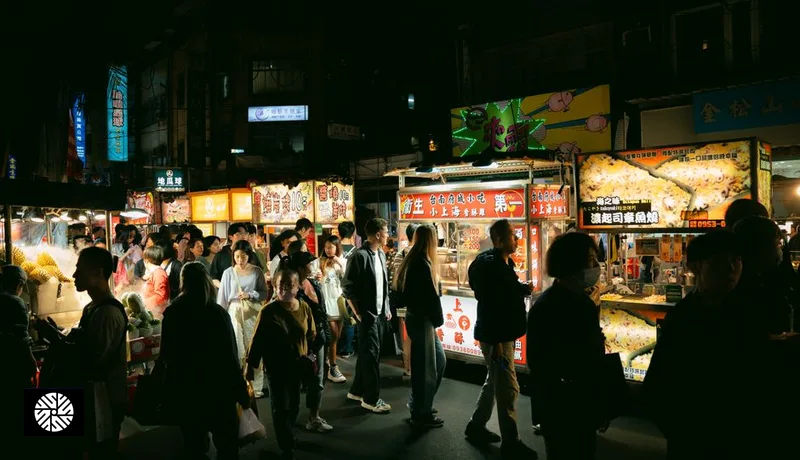

Ask the world what Taiwan drinks and the answer is usually bubble tea. Ask a Taiwanese tea maker and the conversation moves in another direction: mountain elevation, leaf cultivar, insect bites, roasting, oxidation, spring rain, winter harvest, and how the aroma changes between the first and fourth infusion.
Bubble tea belongs to Taiwan and deserves its fame. But it sits at the newest end of a much longer tea culture. A visitor can drink cold-brew oolong from a convenience-store refrigerator, receive hot tea with a meal, spend an afternoon in a wooden tea house, walk through plantations, or bring home a vacuum-packed bag whose flavor reflects one particular mountain.
A Short Map of Taiwanese Tea
| Tea | Typical character | Places associated with it |
|---|---|---|
| Wenshan Baozhong | Lightly oxidized, floral, fresh, and often twisted rather than tightly rolled. | Pinglin and Wenshan in northern Taiwan. |
| High-mountain oolong | Fragrant, smooth, lightly oxidized, and able to handle repeated infusions. | Alishan, Lishan, Shanlinxi, and other high-elevation gardens. |
| Dong Ding oolong | Traditionally more roasted, with a round body and lingering sweetness. | Lugu in Nantou County. |
| Oriental Beauty | Honeyed and fruity; leafhopper-bitten leaves help create its distinctive aroma. | Hsinchu, Miaoli, Taoyuan, and parts of New Taipei. |
| Muzha Tieguanyin | Roasted, mineral, deep, and aromatic. | Maokong and Muzha in Taipei. |
| Sun Moon Lake black tea | Full-bodied black tea, sometimes with cinnamon or mint-like notes depending on cultivar. | Yuchi, Nantou County. |
| Red oolong | More heavily oxidized oolong with ripe-fruit character and a reddish liquor. | Especially associated with Taitung. |
These are families, not fixed flavor guarantees. Season, cultivar, processing, roast, storage, and the person brewing all matter. "High mountain" describes growing conditions, not one brand or one legally uniform taste.
What Happens in a Tea House
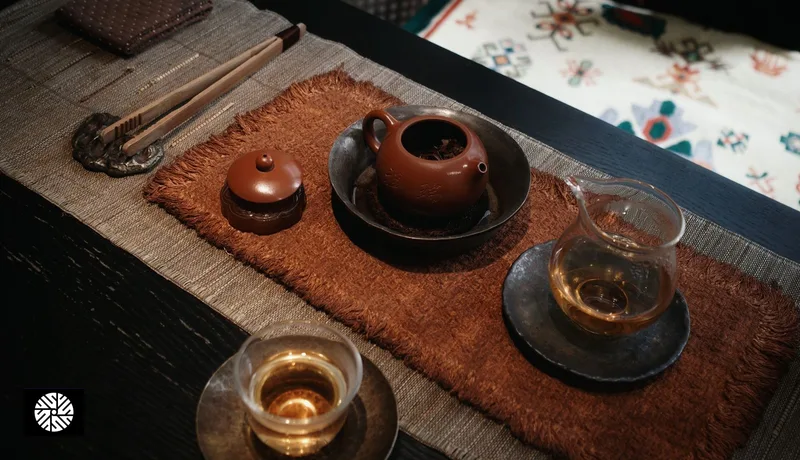
A traditional tea house may charge for the tea leaves, a per-person water fee, or a set session. The host warms a small pot, adds leaves, pours short infusions, and decants the tea so every cup has similar strength. Tiny cups are not a sign of stinginess; they let you notice aroma and temperature across several rounds.
You do not need to perform expertise. Smell the dry leaves, watch them open, and taste each infusion before reaching for a flavor vocabulary. It is acceptable to ask the staff to demonstrate. Hold the cup carefully, receive it with thanks, and avoid wearing heavy perfume that overwhelms the aroma.
Some casual tea houses also serve food and allow groups to brew at their own pace. In scenic areas, the experience may be as much about mountain air and conversation as formal technique.
Three Easy Tea Excursions
- Maokong, Taipei. Ride the gondola into Taipei's tea-growing hills for Tieguanyin, tea houses, and city views. This is the easiest tea half-day from the capital.
- Pinglin, New Taipei. A river valley known for Baozhong, with tea museums, shops, and surrounding farms. It works best with enough time to slow down.
- Sun Moon Lake and Lugu, Nantou. Pair black tea around Yuchi with Dong Ding country near Lugu. These are better as part of a central-Taiwan itinerary than a rushed Taipei day trip.
Alishan and other high-mountain areas add dramatic scenery, but the name on a souvenir shop sign does not prove the leaves came from that exact elevation. Buy from a producer or retailer that can clearly state origin, harvest, cultivar, and processing style.
How to Buy Tea Without Pretending to Be an Expert
- Set a purpose: daily drinking, a gift, or one memorable tea.
- Ask to taste before buying when possible.
- Choose flavor words you understand: floral, roasted, honeyed, fresh, or strong.
- Ask where and when the tea was harvested.
- Buy a smaller quantity of better-stored tea instead of a huge decorative package.
- Keep it sealed away from heat, moisture, light, and strong odors.
Vacuum-packed tea travels well. Ceramics from Yingge make a beautiful companion gift, but a fine clay pot is not required to enjoy the leaves. A small porcelain pot, a basket infuser, or even a mug can make good tea if the water and timing are sensible.
A Simple Hotel-Room Brewing Method
Use freshly boiled water and let it cool slightly for a delicate green or lightly oxidized tea; roasted oolong and black tea tolerate hotter water. Start with fewer leaves than the packet suggests if you are unsure. Steep briefly, taste, and adjust the next round. Rolled oolong leaves expand dramatically, so give them space and keep the first infusions short.
If the hotel kettle looks poorly maintained, clean it or ask for hot drinking water. Do not boil tea directly in the kettle. Cold-brew is even easier: place leaves in bottled water, refrigerate for several hours, strain, and drink it cold.
Tea, Sugar, and Health Claims
Plain tea can be part of an ordinary diet, but Taiwan tea should not be marketed as a cure, detox, or replacement for treatment. Bottled tea, fruit tea, milk tea, and bubble tea can contain substantial added sugar even when the word "tea" is prominent. Caffeine also varies with leaf, dose, water, and brewing time.
If you are caffeine-sensitive, pregnant, taking medicines affected by caffeine, or preparing for a medical test, ask your clinician what is appropriate. A fasting instruction that permits water does not automatically permit unsweetened tea.
Why Tea Is a Different Way to Meet Taiwan
Tea slows down the part of travel that usually accelerates. The same island known for fast trains and 24-hour stores asks you to wait for water, watch leaves open, and taste one cup several times. The farming stories connect Taipei hills to Hsinchu's Hakka communities, Nantou's mountains, and Taitung's fields.
Drink the bubble tea. Then make room for a pot of Baozhong, Dong Ding, Oriental Beauty, or Sun Moon Lake black tea. The contrast is not old Taiwan versus new Taiwan. It is the full range of a culture that keeps reinventing what a leaf and water can become.
Sources & Further Reading
- Tea and Beverage Research Station - High-mountain oolong
- Tea and Beverage Research Station - Oriental Beauty tea
- Tea and Beverage Research Station - Taiwan tea glossary
- Taiwan Tourism Administration - Official destination information
Tea origin, harvest, processing, caffeine, and flavor vary. This article is cultural and travel information, not medical advice or a product endorsement.