Blog
Blog
Teeth Whitening in Taiwan: Professional Options, Systems, and What Actually Works

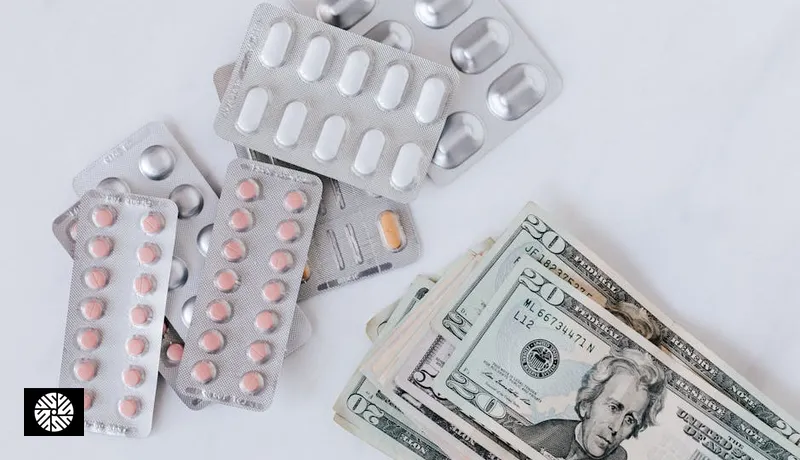
Teeth whitening is the easiest cosmetic dental treatment to fit into a Taiwan trip. A professional in-office session takes 60 to 120 minutes, requires no anesthesia or downtime, and can lift teeth 4 to 8 shades in a single visit. But the world of "whitening" is messy — there's a huge gap between a $30 box of Crest strips, a NT$10,000 Zoom session, and a $200 HiSmile kit pushed by influencers. They are not the same product, and they don't deliver the same results.
This guide breaks down what's actually available in Taiwan: the in-office systems (Zoom, BriteSmile, Boost), professional take-home trays, hybrid protocols for stubborn stains, internal whitening for root-canal teeth, and how all of it compares to consumer products. We'll also cover Taiwan pricing, the clinical workflow, sensitivity management, and how long results actually last.
In-office whitening systems — Zoom, BriteSmile, Boost
Chairside professional whitening uses concentrations of hydrogen peroxide that are simply not available over the counter — typically 25% to 40% — combined with controlled application time and isolation of the soft tissues. The three systems you'll encounter most often in Taiwan are Zoom (Philips), BriteSmile, and Opalescence Boost.
Zoom WhiteSpeed (Philips) uses 25% hydrogen peroxide gel activated by an LED arch lamp. The session is structured into three or four 15-minute cycles, with the gel refreshed between cycles and the LED running continuously. Total chair time is around 75 to 90 minutes. The light is the brand's signature, though clinical evidence on whether the LED meaningfully accelerates oxidation versus chemistry alone remains debated. What's not debated: Zoom delivers reliable, even results across most patients.
BriteSmile is similar in concept — light-activated in-office gel, around an hour of treatment time — and is offered at some Taipei cosmetic dental practices. It has been less aggressively marketed than Zoom in recent years but remains an effective system.
Opalescence Boost (Ultradent) uses a much higher 40% hydrogen peroxide concentration but does not require light activation. The gel is chemically activated when its two syringes are mixed at chairside, and it relies on contact time rather than light to do the work. Sessions are typically 60 minutes (three 20-minute applications). Many dentists prefer Boost for patients who get tooth sensitivity from heat, since there's no thermal load from a lamp.
| System | Active agent | Activation | Chair time | Typical shade lift |
|---|---|---|---|---|
| Zoom WhiteSpeed | 25% hydrogen peroxide | LED arch lamp | 75-90 min | 4-8 shades |
| BriteSmile | ~15-25% hydrogen peroxide | Light-activated | ~60 min | 4-7 shades |
| Opalescence Boost | 40% hydrogen peroxide | Chemical (no light) | ~60 min | 4-8 shades |
Take-home tray systems — custom vs OTC
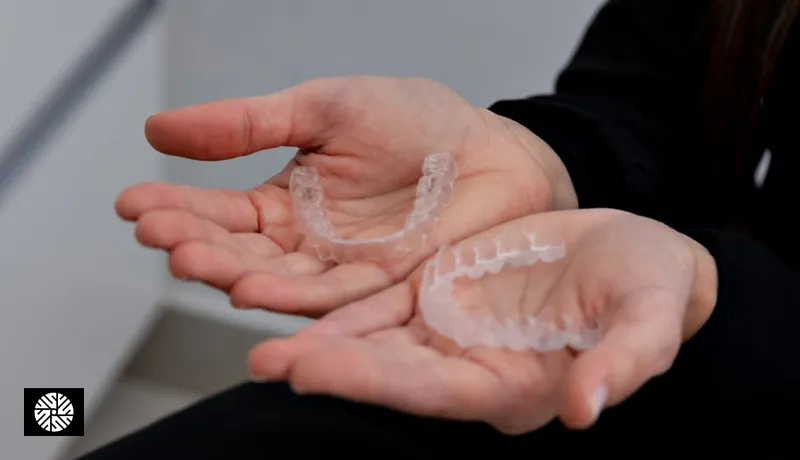
Take-home professional whitening uses custom-fitted trays — molded from impressions or a digital scan of your teeth — paired with prescription-strength gel, typically 10% to 22% carbamide peroxide. (Carbamide peroxide breaks down into hydrogen peroxide at roughly a 1:3 ratio, so 15% carbamide is roughly equivalent to 5% hydrogen peroxide in oxidative power, but with a much slower release.)
You wear the trays for 30 to 60 minutes a day, or overnight depending on the gel concentration, for two to three weeks. Results are gentler and more gradual than in-office, but final shade outcomes are often comparable — sometimes even better for patients with deeper intrinsic staining, because the longer total contact time lets the peroxide diffuse further into the enamel and dentin.
The difference between professional take-home and the "boil-and-bite" trays sold in pharmacies is significant. OTC trays don't seal properly against the gum line, which means gel leaks out, contact pressure is uneven, and you waste a lot of product. Custom trays are thin, sealed, and target only tooth surfaces — which is why a 2-week professional regimen typically outperforms 6 weeks of OTC tray work.
Hybrid in-office + take-home — for stubborn stains
For patients with tetracycline staining, deep yellow dentin, or smoking-related discoloration, neither approach alone is usually enough. The hybrid protocol combines a single in-office Zoom or Boost session — to "jump-start" the lift and break down surface chromophores — with a follow-up 10-to-14-day take-home tray regimen for sustained, deeper bleaching.
This is also the protocol many cosmetic dentists prefer for patients heading into veneers or crowns. Whitening the natural teeth first establishes the shade target, so the lab can match porcelain to a stable, lightened baseline. Once veneers are bonded, they don't bleach — so locking in the natural shade before the lab work is critical.
Hybrid is the most expensive whitening option but typically delivers 6 to 10 shades of improvement and the longest-lasting result.
Internal whitening for root canal teeth
If you have a single dark tooth that has had a root canal, external bleach won't fix it. Endodontically treated teeth darken from the inside — blood pigments and necrotic pulp tissue stain the dentin from within the tooth structure — and surface whitening agents simply can't reach.
The fix is internal bleaching (also called "walking bleach"). The dentist re-opens the access cavity from the back of the tooth, places a bleaching agent (typically sodium perborate mixed with hydrogen peroxide or just water) into the pulp chamber, and seals it temporarily. The bleach sits inside the tooth for 3 to 7 days, lightening the dentin from the inside out. The process may need 1 to 3 cycles depending on how dark the starting tooth is.
Internal whitening is highly effective for the right indication — but it only works on non-vital teeth. If you have a vital tooth that's slightly darker than its neighbors, that's a different problem and external bleaching or a single veneer is the better path.
Consumer products comparison — Crest strips, Glo, HiSmile
The OTC whitening market is enormous and confusing. Here's what's actually inside each category:
Crest 3D Whitestrips / Colgate Optic White strips contain 6% to 10% hydrogen peroxide on a thin polyethylene strip. They work — for surface stains. A 20-day course will lift most patients 1 to 3 shades. They struggle on intrinsic staining (the deeper yellow that comes from genetics or aging), and they don't reach the spaces between teeth or the back molars well. Strips are the highest-value OTC product and the most evidence-supported.
Glo Brilliant pairs hydrogen peroxide gel (about 6%) with a heated mouthpiece that's meant to drive the gel into enamel. Mid-tier results, slightly better than strips for some patients, but the device is expensive (~$200) and the gel refills add up.
HiSmile / Smile Direct Club kits are the most marketed and the least clinically credible. Many use peroxide-free formulations (PAP — phthalimidoperoxycaproic acid) that the brands claim is "gentler." Actual whitening data on PAP at consumer concentrations is thin. The blue LED mouthpieces sold with these kits don't penetrate enamel and have no proven effect on bleaching kinetics. You'll see "before and after" photos that are almost always lighting tricks.
Charcoal toothpaste doesn't whiten. It's mildly abrasive and may remove some surface stains, but with repeated use it can damage enamel. Skip it.
Why professional whitening beats OTC
Three reasons, in order of importance:
Concentration. Professional in-office gels (25% to 40% hydrogen peroxide) are 3 to 7 times stronger than the strongest OTC strips. That dose-response difference is the single biggest driver of how much shade lift you can get.
Contact time and isolation. In-office, a rubber dam or gum barrier protects soft tissues so the gel can sit at full strength without irritation. Professional take-home trays seal against the gum line and keep gel locked on tooth surfaces. OTC strips and trays don't isolate well — gel slides off, gets diluted by saliva, and irritates gums.
Targeted application. Professional protocols start with cleaning, then shade documentation, then whitening — and a dentist can spot pre-existing decay, cracks, or restorations that would react badly to bleach. Whitening over a hidden cavity or marginal leak around a crown can drive peroxide into the pulp and cause severe sensitivity. OTC users have no such screening.
Taiwan pricing comparison
Taiwan's combination of skilled cosmetic dental work and lower clinic overheads makes professional whitening one of the best value-for-money treatments for travelers. See our broader dental cost comparison for context.
| Treatment | Taiwan (NT$ / USD) | USA (USD) | Korea (USD) | OTC alternative |
|---|---|---|---|---|
| In-office Zoom | NT$10,000-18,000 ($320-580) | $500-1,200 | $200-400 | Crest strips ($30-50) |
| In-office Boost | NT$8,000-15,000 ($260-480) | $400-900 | $200-350 | Glo Brilliant ($200) |
| Take-home custom trays + gel | NT$5,000-10,000 ($160-320) | $300-600 | $150-300 | OTC trays ($40) |
| Hybrid (in-office + take-home) | NT$12,000-20,000 ($380-650) | $700-1,500 | $350-600 | N/A |
| Internal whitening (per tooth) | NT$4,000-8,000 ($130-260) | $200-500 | $120-250 | Not possible OTC |
Korean clinics often bundle whitening as a near-loss-leader to bring patients in for veneer or orthodontic consultations. Taiwan pricing is higher than Korea but still 50% to 70% below U.S. prices, and the consultation is typically more measured — fewer aggressive upsell pitches. For more on what's driving Taiwan as a destination, see what's driving dental tourism in Taiwan.
Process workflow — cleaning, shade, whitening, sensitivity treatment
A well-run whitening visit follows a consistent sequence:
- Examination and cleaning. The dentist checks for cavities, marginal leakage around existing restorations, gum recession, and exposed root surfaces — any of which can cause severe sensitivity if bleached over. A professional cleaning removes plaque and surface stains, so the bleach acts on actual enamel rather than burning calories on calculus.
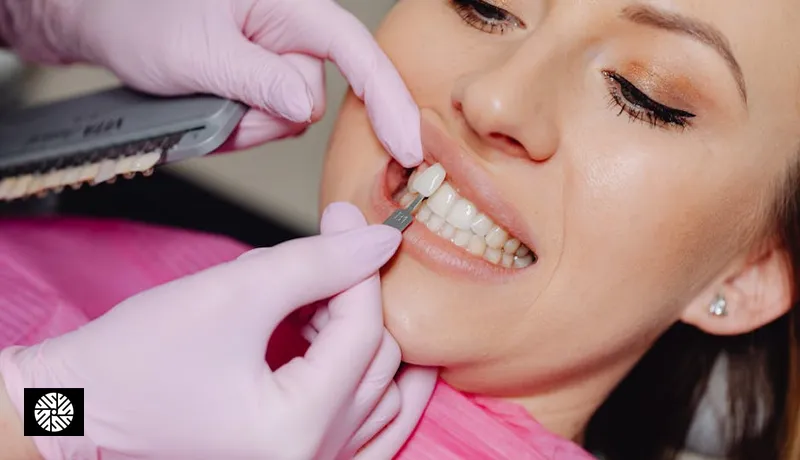
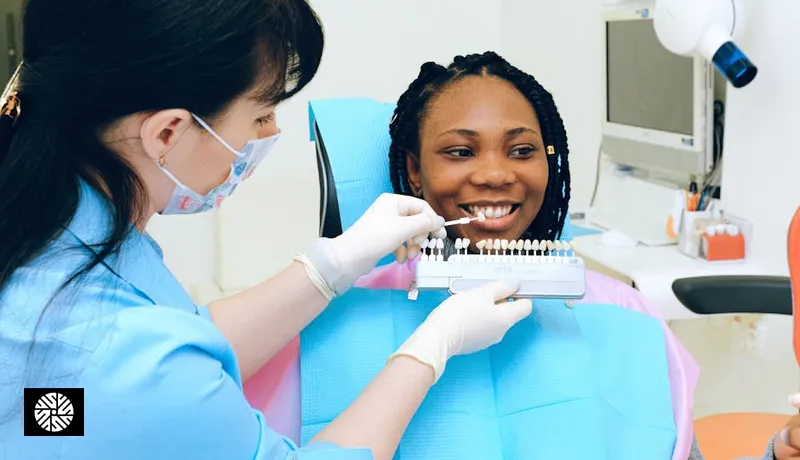
- Shade documentation. Photos are taken with a Vita shade tab held next to the teeth. This baseline is what you'll compare against post-treatment, and it's also what your dentist matches future veneers or crowns to.
- Soft tissue isolation. A liquid dam or rubber dam is painted/placed over the gums and cured. This is the step OTC products can't replicate — it's why professional concentrations are safe.
- Whitening cycles. Gel is applied, activated (or not, depending on system), and refreshed every 15 to 20 minutes for 2 to 4 cycles.
- Fluoride / desensitizer application. A neutral fluoride varnish or potassium nitrate gel is applied at the end to remineralize enamel and pre-empt sensitivity.
- Post-treatment shade comparison and photos. Same lighting, same tab, so the shade lift is documented honestly rather than from memory.
Total appointment time is usually 90 to 120 minutes including the cleaning. If you're combining whitening with other dental work in Taiwan — see our services overview — schedule whitening first so other restorations can be color-matched to the new baseline.
Sensitivity management — pre + post protocols
Roughly 30% to 50% of whitening patients experience some temporary sensitivity. It's almost always sharp, fleeting "zingers" triggered by cold air or cold drinks, and resolves within 24 to 72 hours. It's caused by peroxide diffusing through enamel into the dentin tubules, briefly irritating the pulp.
The protocols that genuinely reduce sensitivity:
- Two weeks before whitening: Switch to a potassium nitrate desensitizing toothpaste — Sensodyne Pronamel or Colgate Sensitive Pro Relief. Daily use for 14 days saturates the dentin tubules with potassium ions, which calms the nerve response before bleach ever touches the tooth.
- Day of treatment: Avoid hot or cold drinks for 2 hours after. Stick to room-temperature water.
- Following 48-72 hours: Continue Pro Relief / Pronamel. Avoid acidic drinks (citrus, soda, wine) which can amplify the sensitivity window.
- For known-sensitive patients: Boost (no light, no thermal load) is often gentler than Zoom. Or split treatment into two shorter sessions instead of one long one.
If sensitivity persists past a week, return to the clinic — that can occasionally indicate a previously undetected crack or marginal leak that needs attention.
Maintenance schedule and result longevity
Professional whitening results last 1 to 3 years, with two big variables: diet and habits. Coffee, black tea, red wine, dark sodas, curry, soy sauce, and tobacco are all chromogenic — they deposit pigment on and into enamel — and they re-stain teeth over time. Heavy daily coffee drinkers may see noticeable rebound staining within 12 months; light coffee drinkers can hold their result 2 to 3 years.
A simple maintenance plan:
- Daily: A whitening toothpaste with mild abrasive action (Crest 3D White, Sensodyne Extra Whitening) helps prevent surface stain buildup. Don't expect it to whiten further on its own.
- Drink discipline: Use a straw for iced coffee and tea — keeps the liquid off front teeth. Rinse with water after staining drinks rather than brushing immediately (acid-softened enamel is vulnerable to abrasion for ~30 minutes).
- Every 6 months: Professional cleaning to remove tartar and extrinsic stain.
- Every 12-24 months: A 3-to-5 day touch-up using your custom take-home trays. This is why the take-home tray investment is worth it even if you start with in-office — you have the equipment for cheap, ongoing maintenance.
For travelers, the workflow is straightforward: arrive day 1, clean and consult; day 2, whitening session (90 minutes); fly home day 2 or day 3. There are no flight restrictions after whitening — no anesthetic, no surgical site, no pressure-sensitive tissues. The most common post-treatment recommendation is just to avoid heavily pigmented foods for 48 hours while the enamel rehydrates and the porosity from bleaching closes back up.
Whitening pairs naturally with consultations for veneers, crowns, or implants — so it's a useful "low commitment" first treatment for patients who want to see what Taiwan dental care is like before committing to bigger work. To find the right clinic, browse our providers directory, and read more about clinical standards in how Taiwan trains and regulates its dentists.
Sources & Further Reading
FAQ
Both deliver 4 to 8 shades of improvement in a single session, so the choice is mostly about your sensitivity profile and clinic preference. Zoom (25% hydrogen peroxide + LED, 75-90 minutes) is the most recognized brand and works reliably across most patients. Opalescence Boost (40% hydrogen peroxide, no light, 60 minutes) skips the thermal load from the lamp, which patients with heat-triggered sensitivity often tolerate better. If you have a history of cold or heat sensitivity, ask for Boost. If you want the most marketed/brand-recognized option, Zoom.
About 30% to 50% of patients experience temporary sensitivity — typically sharp, fleeting "zingers" triggered by cold air or cold drinks. It resolves within 24 to 72 hours. To minimize it: switch to a potassium nitrate toothpaste (Sensodyne Pronamel or Colgate Sensitive Pro Relief) for 14 days before treatment, avoid hot/cold drinks for 2 hours after, and skip acidic drinks (citrus, soda, wine) for the next 2-3 days. If sensitivity persists more than a week, go back to the clinic — it can sometimes indicate an undetected crack or leaking restoration.
For mild surface staining, Crest 3D Whitestrips can lift teeth 1 to 3 shades over a 20-day course — they are the highest-value and most evidence-supported OTC product. Where they fall short: deeper intrinsic staining (genetic yellow, tetracycline, smoking), back molars, and the spaces between teeth. They also use 6% to 10% hydrogen peroxide, which is 3 to 7 times weaker than in-office gel. If you want a 4-to-8 shade lift, custom-fitted trays, or whitening before veneers/crowns, professional treatment is meaningfully better. For maintenance touch-ups between professional sessions, strips are perfectly reasonable.
1 to 3 years for most patients. The two biggest variables are diet and habits — coffee, black tea, red wine, dark sodas, curry, soy sauce, and tobacco all deposit pigment back onto enamel. Heavy daily coffee drinkers may see noticeable rebound within 12 months; lighter consumers can hold a result 2 to 3 years. Maintenance plan: whitening toothpaste daily, professional cleaning every 6 months, and a 3-to-5-day take-home tray touch-up every 12 to 24 months. If you invest in custom trays during your initial treatment, future touch-ups cost almost nothing.
Yes — and you should do whitening first. Veneers and crowns are made from porcelain that does not bleach, so once they are bonded, their color is permanent. Whitening your natural teeth first establishes the shade target, and then the lab matches the porcelain to that lightened baseline. This avoids the common mistake of getting bright veneers in front of yellow natural teeth (or vice versa). The hybrid in-office + take-home protocol is often used here to lock in maximum, stable shade before the lab work begins. See our veneers and crowns guide for the full workflow.
Yes. Unlike implants, extractions, or surgical procedures, whitening has no flight restrictions. There is no anesthetic, no surgical site, no pressure-sensitive tissue. The only post-treatment recommendation is to avoid heavily pigmented foods and drinks (coffee, red wine, curry, dark berries) for 48 hours while the enamel rehydrates and the temporary surface porosity from bleaching closes back up. Many travelers do their whitening in the morning and fly out the same evening with no issues.