Blog
Blog
Quality of Dental Care in Taiwan: Technology, Training, and Regulation

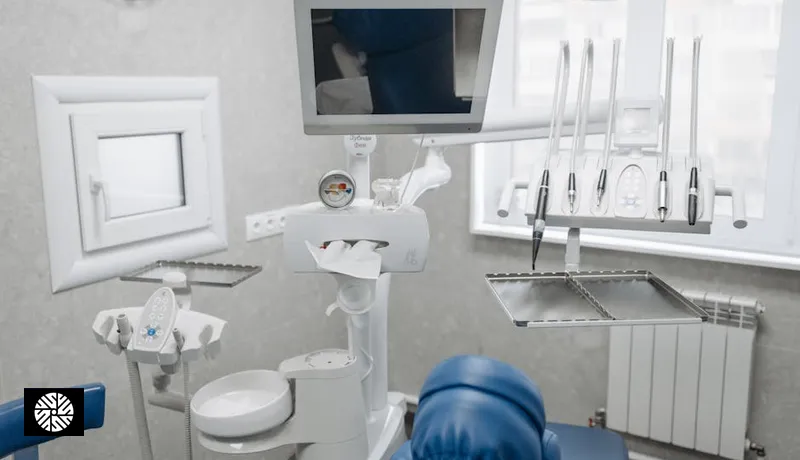
Patients researching dental work in Taiwan ask the same underlying question dozens of different ways: is the quality really comparable to what I would get at home? The honest answer requires looking past marketing into the actual machinery that produces a Taiwan-trained dentist — the schools, the residency pipeline, the licensing body, the continuing-education culture, the materials supply chain, and the diagnostic technology that sits in a typical premium clinic. When you examine those layers individually, Taiwan stands up well against the United States, the EU, Japan, and Korea on most quality dimensions, and decisively above lower-cost dental tourism markets such as Mexico, Thailand, and parts of Eastern Europe.
This article walks through that quality stack — schools, training, regulation, technology, materials, sterilization, risk benchmarks, and post-trip support — so you can decide for yourself whether Taiwan dental care meets your standard. For broader context on costs and the dental tourism boom, see our overview of why Taiwan dental tourism is growing and our cross-country cost comparison.
Taiwan dental school landscape — NTU, Chang Gung, KMU, TMU
Taiwan trains its dentists through a small set of well-funded, internationally connected dental schools. Five programs in particular produce most of the dentists you would meet at premium clinics serving international patients:
- National Taiwan University Dental School (NTUDH) — Taiwan's flagship program, attached to National Taiwan University Hospital. Six-year undergraduate curriculum with heavy basic-science loading and clinical rotations across all specialty divisions. NTUDH faculty publish in the same journals as top US and EU programs (Journal of Dental Research, Journal of Periodontology, Clinical Oral Implants Research).
- Chang Gung University Dental College — Affiliated with Chang Gung Memorial Hospital, one of the largest hospital systems in Asia. Particularly strong implant program with high case volume, full-arch reconstruction expertise, and a maxillofacial surgery department that handles complex traumatic and reconstructive cases.
- Kaohsiung Medical University (KMU) Dental College — Southern Taiwan's leading program, with strong oral pathology and oral cancer research output. Many KMU graduates go on to specialty residencies across Taiwan.
- Taipei Medical University (TMU) School of Dentistry — Private medical university based in Taipei. Strong cosmetic and prosthodontic emphasis, with active English-language exchange programs that send students for rotations in the US, Japan, and Europe.
- Other accredited programs — China Medical University (Taichung), Tzu Chi University (Hualien), and a handful of additional accredited programs round out the supply. All are subject to the same Ministry of Education accreditation standards and the same national licensing exam.
| Dental School | Affiliated Hospital | Notable Specialty Strengths |
|---|---|---|
| National Taiwan University (NTUDH) | NTU Hospital | Periodontics, oral surgery, all specialties |
| Chang Gung University | Chang Gung Memorial | Implant surgery, maxillofacial reconstruction |
| Kaohsiung Medical University (KMU) | KMU Hospital | Oral pathology, oral cancer research |
| Taipei Medical University (TMU) | TMU Hospital | Prosthodontics, cosmetic dentistry |
| China Medical / Tzu Chi | CMU Hospital / Tzu Chi Hospital | General dentistry, community oral health |
Training pipeline — 6 years undergrad + residency + specialty
The Taiwan dental training pipeline is structurally similar to what you find in the UK, Germany, or Japan — and notably more clinical-hours-heavy than the typical US dental school path. After high school, students enter a six-year integrated dental program directly. The first two years cover basic medical sciences (anatomy, physiology, biochemistry, pharmacology). Years three and four shift to dental-specific science (oral histology, dental materials, occlusion). Years five and six are clinical, with rotations through every major division — operative dentistry, prosthodontics, periodontics, endodontics, oral surgery, pediatric, and orthodontics.
After graduation, students sit for the national board exam administered by the Ministry of Health and Welfare. Passing earns them a general dental license. From there, most Taiwan dentists complete a two-year general dentistry residency (PGY) at a teaching hospital. This residency is the practical equivalent of an Advanced Education in General Dentistry (AEGD) program in the US.
For specialty training, dentists enter three to four-year specialty residencies in one of seven recognised specialties:
- Periodontics (牙周病科)
- Prosthodontics (補綴科)
- Oral and maxillofacial surgery (口腔顎面外科)
- Orthodontics (齒顎矯正科)
- Endodontics (牙髓病科)
- Pediatric dentistry (兒童牙科)
- Oral pathology / public health
Specialty board certification is administered by the corresponding specialty society — the Taiwan Academy of Periodontology, the Academy of Prosthodontics ROC, the Taiwan Orthodontic Society, and so on. These are the dentists you want for implants, full-arch work, and complex prosthetics. Our provider directory indicates specialty board certification where applicable.
Regulatory framework — MoHW, Taiwan Dental Association, specialty boards
Three layers of regulatory oversight govern dental practice in Taiwan:
Ministry of Health and Welfare (衛福部) — Issues and renews dental licenses, accredits dental schools, regulates dental devices through the Taiwan Food and Drug Administration (TFDA), and inspects clinics for sterilization and infection control compliance. License renewal is required every six years and conditional on continuing education credits.
Taiwan Dental Association (中華牙醫學會) — The professional association for general dentistry. Sets ethical guidelines, publishes practice standards, and offers continuing-education programs. Membership is effectively standard for practising dentists.
Specialty Boards — Independent academies for each recognised specialty (periodontics, prosthodontics, oral surgery, orthodontics, endodontics, pediatric). Certification involves passing a board exam, submitting clinical case logs, and ongoing CE within the specialty.
For patients, the practical implication is that a board-certified Taiwan periodontist or prosthodontist has cleared a credentialing process broadly comparable to the American Board of Periodontology or the American Board of Prosthodontics. The case-log requirements are similar; the exam structure is similar. Where you may see differences is in research-publication expectations, which can be lower at the specialty board level (though still substantial at the academic-faculty level).
Continuing education and international conference attendance
Taiwan dental license renewal requires at least 60 hours of continuing education every six years, with subcategory requirements for ethics, infection control, and clinical topics. In practice, premium-clinic dentists log far more than the minimum — often 30 to 60 hours per year — because the local continuing-education ecosystem is unusually active.
International conference attendance is common among premium-clinic dentists. The conferences that show up most often on Taiwan dentist CVs include:
- Yankee Dental Congress (Boston, USA) — One of the largest US dental conferences
- AAID Annual Meeting (American Academy of Implant Dentistry) — Implant-focused
- AAP Annual Meeting (American Academy of Periodontology) — Periodontology and soft-tissue surgery
- AO (Academy of Osseointegration) — Implant science and clinical protocols
- IDS Cologne (Internationale Dental-Schau, Germany) — The largest dental trade show in the world; technology and materials
- EAO (European Association for Osseointegration) — European implant society
- Asian Pacific Dental Federation / Asian implant societies — Regional networks
Many premium-clinic dentists also hold credentials from international training programs — Misch International Implant Institute, Loma Linda implant programs, gIDE (Global Institute for Dental Education), or specific brand-sponsored advanced courses (Straumann, Nobel Biocare, ITI). These credentials matter because they signal that the dentist is being measured against the same standards as a US, German, or Swiss colleague — not just a domestic Taiwan benchmark.
Technology adoption — digital dentistry, intraoral scanners, CAD/CAM
Digital dentistry penetration at premium Taiwan clinics is high — comfortably above 80 percent for the equipment categories that matter most. The shift happened quickly over the past decade, driven by competitive pressure (Korea and Japan adopted aggressively), favourable equipment financing, and a clinical population willing to pay for better outcomes.
What "digital dentistry" actually means in practice:
- Intraoral scanners — 3Shape TRIOS and iTero (Align Technology) are the dominant systems at premium clinics. They replace traditional alginate or polyvinyl impression materials with a digital scan, which is more accurate, more comfortable, and produces a file that can be sent directly to the lab or to in-house milling.
- CAD/CAM software — exocad and 3Shape Dental System are standard for prosthetic design. Dentists or lab technicians design the crown, bridge, or implant restoration on screen, then send the file to a milling unit or printer.
- In-house milling (CEREC, ZirkonZahn) — Some clinics offer same-day crown fabrication using chairside CAD/CAM. The patient gets scanned, the crown is designed on screen, milled in 30 to 60 minutes from a ceramic block, and bonded the same visit.
- Digital smile design (DSD) — Cosmetic and prosthodontic clinics use DSD software to mock up smile changes (veneers, crown lengthening, orthodontic outcomes) before the patient commits.
- 3D printing — Surgical guides, temporary crowns, and clear aligner production are increasingly handled in-house with desktop 3D printers (Formlabs, SprintRay).
The practical implication for international patients is that workflow timelines are compressed — what would take three or four appointments with traditional analogue dentistry can often be completed in one or two appointments digitally, which is critical when you have a fixed travel window.
Implant brand standards — Straumann + Nobel Biocare baseline
Implant brand selection is one of the cleanest quality signals you can ask about. The implant industry has a clear tiering, and what your clinic uses tells you a lot about where they sit.
| Tier | Brand | Origin | Notes |
|---|---|---|---|
| Premium | Straumann | Switzerland | Industry gold standard, deepest published research base |
| Premium | Nobel Biocare | USA / Sweden | All-on-4 originator, strong full-arch protocols |
| Premium | Astra Tech (Dentsply Sirona) | Sweden | Strong soft-tissue integration data |
| Mid-tier | Osstem | Korea | Widely used in Asia, growing global market share |
| Mid-tier | Megagen | Korea | Strong AnyRidge product line, Korean export brand |
At premium Taiwan clinics serving international patients, Straumann and Nobel Biocare are the typical baseline. Korean Osstem and Megagen are commonly available as a mid-tier option for budget-sensitive patients. The clinics in our partner network default to premium-tier brands unless the patient specifically requests a lower-cost alternative. For more on what to expect with Taiwan implant treatment, see our dental implants in Taiwan guide.
CBCT and diagnostic imaging at premium clinics
Cone Beam Computed Tomography (CBCT) is now standard equipment at any premium Taiwan implant clinic. CBCT provides 3D cross-sectional imaging of the jaw, allowing the surgeon to measure bone height and width precisely, identify the position of nerves and sinuses, plan implant trajectories, and produce surgical guides. Most premium clinics own their unit (Carestream, Planmeca, or J. Morita are common); some refer to a partner imaging center for the scan.
Beyond CBCT, expected diagnostic capabilities at a premium clinic include:
- Digital panoramic and bitewing X-rays (lower radiation than film)
- Intraoral digital photography (clinical record + cosmetic planning)
- Caries detection devices (DIAGNOdent, transillumination)
- Periodontal probing with electronic charting
- Occlusal analysis (T-Scan or articulating-paper-based)
If a clinic is doing implant work without CBCT, treat that as a red flag. The radiation cost is small, the planning benefit is large, and the absence of CBCT usually correlates with other corner-cutting.
Sterilization + infection control standards
Taiwan dental clinic sterilization is regulated through a combination of the Medical Care Act, the Taiwan Medical Device Regulation, and Ministry of Health and Welfare clinic inspections. The protocols align with ANSI/ADA infection control standards and CDC guidance for dentistry.
What this looks like in practice:
- Autoclave sterilization with biological-indicator testing (typically weekly spore tests)
- Single-use disposables — needles, anaesthetic carpules, suction tips, gloves, masks, prophy cups
- Instrument tracking — sterilization pouch indicators, batch logs, traceability of which instruments served which patient
- Surface disinfection between patients, with CDC-aligned contact-time protocols
- Water line disinfection — dental unit waterlines treated to avoid biofilm contamination
- PPE — masks, eye protection, and (since 2020) heightened airborne-pathogen protocols
For a fuller treatment of how Taiwan medical and dental clinics handle safety protocols, see our safety standards article. The short version: at premium clinics, the protocols are indistinguishable from what you'd see at a comparable US, Japanese, or German practice.
Risk benchmarks and complication rates
No dental treatment is risk-free, and patients evaluating Taiwan dental tourism should compare against published global benchmarks rather than against an imagined zero-risk baseline.
Implant failure rate — The published global benchmark for dental implant failure is roughly 2 to 5 percent over a 5 to 10-year horizon, depending on patient health (smoking, diabetes, periodontal status), implant location, and bone quality. Premium Taiwan clinics in our partner network typically report figures within or below that range. Smokers, uncontrolled diabetics, and patients with active periodontal disease are higher-risk regardless of where the work is done.
Prosthetic failure — Crowns, bridges, and full-arch restorations have their own failure modes (porcelain chipping, screw loosening, cement washout). Published 10-year survival for well-fabricated single crowns is around 90 to 95 percent.
Post-operative infection — Rates after surgical procedures (extractions, implant placement, bone grafting) at sterile-protocol-compliant clinics are typically under 2 to 3 percent and respond to standard antibiotic protocols.
Endodontic (root canal) success — 85 to 95 percent at 5 years for properly performed treatment by a specialist endodontist.
The relevant question is not "is Taiwan risk-free" — no jurisdiction is — but "are Taiwan complication rates within published global norms." For our partner clinics, the answer is yes.
Quality vs Mexico, Korea, USA
An honest comparison across the markets that English-speaking patients consider:
| Market | Training depth | Tech adoption | Quality variance | Notes |
|---|---|---|---|---|
| USA | Very high | Very high (premium tier) | Wide | Quality strongly correlates with price; insurance gates access |
| Taiwan | Very high | High (premium tier) | Moderate | Premium clinics broadly comparable to US/EU |
| Korea | Very high | Very high | Moderate | Strong cosmetic emphasis; domestic implant brands dominant |
| Mexico (Tijuana, Cancun) | Variable | Variable | High | Top clinics good; bottom of market problematic on sterilization |
The honest takeaway: Taiwan and Korea sit in roughly the same quality tier as US premium clinics, with Korea slightly more cosmetic-focused and Taiwan slightly more conservative in clinical approach. Mexico has excellent top-end clinics but much wider variance — a Tijuana clinic that looks identical to its neighbour from the outside can have very different sterilization and material standards. Taiwan's tighter regulatory framework and more uniform school system produce a narrower quality distribution.
Long-term follow-up and concierge coordination
The most underweighted variable in dental tourism is what happens six, twelve, or thirty-six months after you fly home. Crowns can chip, screws can loosen, soft tissue can recede, occlusion can drift. Reasonable patients want to know: what happens then?
The honest split:
- Clinic-side warranty — Most premium Taiwan clinics offer warranties on prosthetic work — typically 5 years on crowns and bridges, 10 years or more on implant fixtures themselves. Re-fabrication of a failed crown within the warranty window is usually covered at no charge; the patient covers travel.
- Local coordination — For minor issues (a small chip, a loose temporary), our concierge team can coordinate with a US-side dentist for triage and forward records to the Taiwan clinic. Major remakes typically require a return trip — that is the trade-off built into the cost savings.
- Photo and X-ray follow-up — For the first 12 months post-treatment, we typically request periodic photo or panoramic X-ray uploads so the Taiwan clinic can monitor osseointegration and prosthetic seating remotely.
- Emergency complications — Acute infection or surgical complications need local care immediately; the Taiwan clinic provides records and coordination but does not replace local emergency care.
The realistic framing: dental tourism with proper concierge support handles the predictable maintenance well, but it does not eliminate the geography problem entirely. Patients who want zero-friction follow-up should weigh that against the cost savings explicitly. For patients comfortable with a return trip every few years if needed, Taiwan dental work tends to deliver excellent long-term value.
Bottom line
Taiwan dental quality competes credibly with US, EU, and Japanese standards because the underlying machinery — schools, residency pipeline, regulatory framework, continuing-education culture, technology adoption, materials supply chain, and sterilization protocols — has been built up over three decades into a system that produces consistent premium-clinic outcomes. The cost gap exists not because quality is lower but because operating costs (real estate, labour, malpractice insurance, marketing) are structurally lower in Taiwan than in the US.
The right next step for prospective patients is to look at the specific clinics in our provider network, review the services we coordinate, and book a consultation so a partner clinic can review your records and propose a treatment plan. The quality framework is solid; what remains is matching the right clinic to your specific case.
Sources & Further Reading
FAQ
Taiwan dentists complete a six-year integrated dental program direct from high school, followed by a national board exam and typically a two-year general dentistry residency. Specialty training adds another three to four years. The structure is similar to the UK, Germany, and Japan, and is more clinical-hours-heavy than the typical US four-year DDS/DMD path. Board-certified specialists in Taiwan have credentials broadly comparable to American Board specialists.
The published global benchmark for dental implant failure is approximately 2 to 5 percent over a 5 to 10-year horizon, depending on patient health, implant location, and bone quality. Premium Taiwan clinics in our partner network typically report figures within or below that range. Higher-risk patients (smokers, uncontrolled diabetics, active periodontitis) face elevated risk regardless of where the work is performed.
Most premium Taiwan clinics warranty prosthetic work — typically 5 years on crowns and bridges, 10+ years on implant fixtures themselves. Re-fabrication of a failed crown within warranty is usually covered at no clinic charge; the patient covers travel. Our concierge team coordinates with US-side dentists for triage on minor issues and forwards records to the Taiwan clinic. Major remakes typically require a return trip — that is the trade-off built into the cost savings.
National Taiwan University Dental School (NTUDH) is generally considered the flagship program, attached to NTU Hospital with the deepest research output. Chang Gung University has particularly strong implant and maxillofacial reconstruction programs. Kaohsiung Medical University (KMU), Taipei Medical University (TMU), China Medical University, and Tzu Chi University round out the accredited programs. All graduates take the same national licensing exam.
Not at premium clinics. Taiwan sterilization is regulated through the Medical Care Act, Taiwan Medical Device Regulation, and Ministry of Health and Welfare clinic inspections, with protocols aligned to ANSI/ADA and CDC infection control standards. Premium clinics use autoclave sterilization with weekly biological-indicator testing, single-use needles and disposables, instrument tracking, and dental waterline disinfection. The protocols are indistinguishable from a comparable US, Japanese, or German practice.
The baseline at premium Taiwan clinics serving international patients is Straumann (Switzerland) and Nobel Biocare (USA/Sweden) — the global premium tier. Astra Tech (Sweden, Dentsply Sirona) is also common. Korean brands Osstem and Megagen are widely used as a mid-tier option for budget-sensitive cases. Our partner network defaults to premium-tier brands unless the patient specifically requests a lower-cost alternative.
Taiwan and Korea sit in roughly the same premium quality tier as US clinics, with Korea slightly more cosmetic-focused and Taiwan slightly more clinically conservative. Mexico has excellent top-end clinics but much wider variance — sterilization and material standards differ sharply between neighbouring Tijuana clinics. Taiwan tighter regulatory framework and more uniform school system produce a narrower quality distribution, which lowers the risk of selecting a poor clinic.