What is osteoporosis?
Osteoporosis is a bone disease in which bone density and bone mass fall, or bone structure and strength change. The bones become weaker and break more easily, sometimes from a fall that would not have hurt a healthy skeleton.
It is called a silent disease because it usually causes no symptoms. Many people learn they have it only after a bone breaks. Fractures can happen in any bone, but most often in:
- The hip
- The vertebrae of the spine
- The wrist
How osteoporosis is diagnosed
The standard test is a DEXA scan, a very-low-dose X-ray that measures bone mineral density at the hip and spine. The result is a T-score: your bone compared with a healthy young adult at peak bone mass.
A ladder like this is the general pattern, not a rule your case must obey. Reporting conventions differ between hospitals, and two experienced clinicians can read the same finding and reasonably advise differently. Where your report or your doctor differs from this table, go with them — they are looking at your actual result.
These bands were derived in postmenopausal women. The International Society for Clinical Densitometry (ISCD) applies them to postmenopausal women and to men aged 50 and over. For women before menopause and men under 50, it prefers a Z-score, which compares you with people of your own age and sex.
What raises your risk of osteoporosis?
Some risk factors cannot be changed. The National Institute of Arthritis and Musculoskeletal and Skin Diseases (NIAMS) lists these:
- Sex: women are at greater risk
- Age: risk rises as you get older
- Body size: slender, thin-boned people
- Race and ethnicity
- Family history, including a parent who broke a hip
Others can be changed or treated:
- Hormone changes: low estrogen after menopause, or low testosterone in men
- Diet: too little calcium, vitamin D or protein
- Some long-term medicines, such as glucocorticoids (steroid tablets)
- Other medical conditions that affect bone
- Lifestyle: inactivity, smoking and heavy drinking
Who should be screened?
Two bodies set out who should have a bone density test, and they disagree on men. USPSTF is the US Preventive Services Task Force; its recommendations are written for the US.
| Group | USPSTF (US, 2025) | ISCD (2023) |
|---|---|---|
| Women 65 and older | Recommended (grade B) | Indicated |
| Postmenopausal women under 65 | Recommended when at increased risk “as estimated by clinical risk assessment” (grade B) | Indicated with a risk factor |
| Men 70 and older | Evidence “insufficient to assess the balance of benefits and harms” (“I” statement) | Indicated |
| Men under 70 | Same “I” statement | Indicated with a risk factor for low bone mass |
For women under 65, USPSTF describes two steps. First check for risk factors such as low body weight, a parent who broke a hip, smoking or excess alcohol. If any are present, a clinical risk tool helps decide whether a scan is worthwhile.
From bone density to fracture risk
A T-score is one input, not the whole answer. Fracture risk also depends on age, earlier fractures, medicines and how likely you are to fall. Risk calculators combine these with the scan result.
- FRAX: USPSTF calls it the most studied fracture risk assessment tool. Combined with DEXA results and a few questions, it estimates your 10-year fracture risk.
- Tools have blind spots: USPSTF notes that race-specific tools with fixed treatment thresholds may be less likely to flag Asian, Black and Hispanic people as high risk.
- Falls matter too: USPSTF suggests not applying treatment thresholds too strictly, so a clinician can weigh risks the tools miss, such as fall risk.
Repeat scans need a reason. USPSTF reports that in cohort studies, repeating a bone density test after 4 to 8 years did not predict fractures more accurately.
What a bone density scan can and cannot show
- Bone mineral density at the hip and spine, as a T-score or Z-score
- Which band you fall in: normal, low bone mass or osteoporosis
- An input to your fracture-risk estimate
- Why bone is low. Looking for a cause usually starts with a blood panel and a physician's review.
- Whether a bone is already broken. A spine fracture can be silent; an X-ray shows it.
- Your risk of falling. That is assessed by a clinician, not a scanner.
Lowering the risk, and what happens next
NIAMS advises the same habits whatever your T-score:
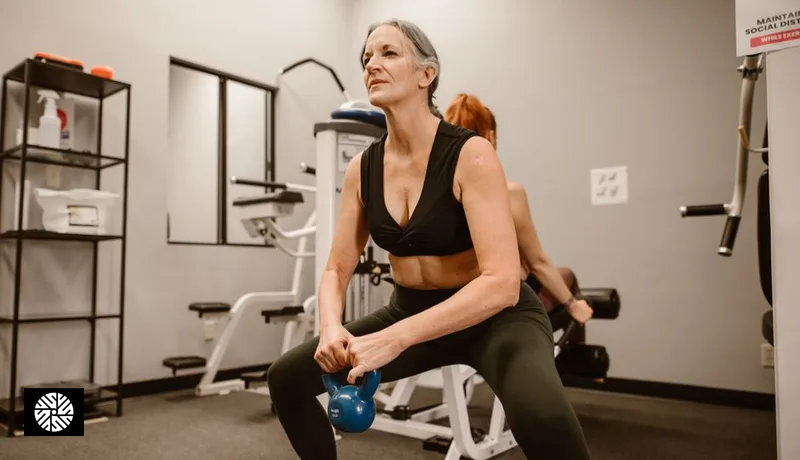
- Weight-bearing exercise such as walking
- A diet rich in calcium and vitamin D
- Not smoking, and drinking alcohol only in moderation
After a scan, the result shapes the next conversation with a physician:
- Normal: keep the habits above; a repeat scan is not needed soon without a new reason.
- Low bone mass: your fracture risk, not the band alone, decides whether anything more is done.
- Osteoporosis or a fragility fracture: usually a treatment discussion, and a search for any cause.
Short-term visitors are not covered by Taiwan's National Health Insurance, so screening is self-funded. New Dawn Health shows the current booking price on the DEXA scan page. Your coordinator confirms scan-day details when you book.