
Quick answer: A day of independent travel in Taiwan runs roughly NT$1,500–6,000 per person (about US$48–190) depending on whether you travel backpacker, mid-range, or premium — covering hotel, food, and local transport. Taiwan stays well below Tokyo, Singapore, and Hong Kong while matching their infrastructure. This 2026 guide breaks the daily budget down line by line in NT$ and USD, plus three full screening-trip cost examples.
Taiwan in 2026 sits in a strange and wonderful sweet spot for international travelers: it has the polished public infrastructure of Tokyo or Seoul, the food culture of Bangkok or Penang, and prices that — even after a few years of post-pandemic inflation — still come in well below most major Asian capitals. For visitors flying in for a health screening package, that combination is hard to beat. You get a world-class medical exam in the morning and a NT$120 bowl of beef noodle soup for lunch.
This guide walks through what a trip to Taiwan actually costs in 2026 — daily ranges by tier, regional differences between Taipei and the south, hidden costs (and the lack of them), and three real budget breakdowns for a screening trip built around our Convenient ($299), Light ($1,399), and Advanced ($3,499) packages (NDH prices as of 2026-05). All figures are in New Taiwan Dollars (NT$) with USD equivalents at roughly NT$1 ≈ USD $0.032 (i.e., NT$1,000 ≈ US$32). For up-to-date conversion tactics, see our Taiwan currency exchange guide.
Big-picture: how Taiwan compares regionally
If you've traveled in Asia before, the easiest way to calibrate Taiwan's prices is to slot it on a regional spectrum. As of 2026:
- Cheaper than Tokyo, Singapore, Hong Kong, Seoul. A mid-range hotel in central Taipei runs NT$4,000–8,000 (US$130–255). The equivalent room in Tokyo or Singapore is typically 40–60% more. Hong Kong is a category of its own — Taipei dining is roughly half the price of comparable Hong Kong restaurants.
- Comparable to Bangkok and Kuala Lumpur — but with better infrastructure. Headline daily costs in Taipei are within 10–15% of Bangkok or KL, but you're getting cleaner public transit, English-friendly signage, and significantly higher hygiene standards in street food.
- More expensive than Manila, Hanoi, or Ho Chi Minh City. Taiwan is roughly 30–50% pricier than the cheapest Southeast Asian capitals on accommodation and dining, though local transit and attractions remain similarly affordable.
The short version: Taiwan punches above its price point. You're paying mid-tier Asian prices for high-tier Asian quality. That value gap is exactly why so many Americans now fly here for full-body MRI and why health screening in Taiwan.
Daily costs for tourists — 2026 ranges
Here's what individual line items actually cost on the ground. Ranges reflect 2026 prices after the post-pandemic inflation cycle (Taiwan saw a cumulative ~8–10% rise in hotel and dining costs from 2023 baseline).
Hotels (per night, double occupancy):
- Budget hostel / guesthouse: NT$1,500–3,000 (US$48–96)
- Mid-range 3–4 star: NT$4,000–8,000 (US$128–255)
- Premium 5-star / boutique: NT$10,000–30,000 (US$320–960)
For premium recommendations, see our guide to the best spas and hot springs.
Meals:
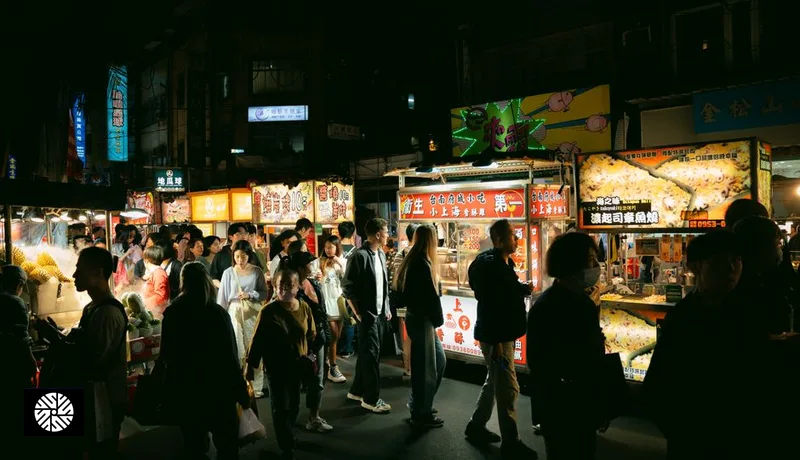
- Night market dish: NT$80–200 (US$2.50–6.50)
- Casual sit-down restaurant: NT$300–600 per meal (US$10–19)
- Mid-tier Western or Japanese: NT$700–1,200 (US$22–38)
- Premium / fine dining / Michelin-listed: NT$1,200–3,500+ (US$38–112)
Local transit:
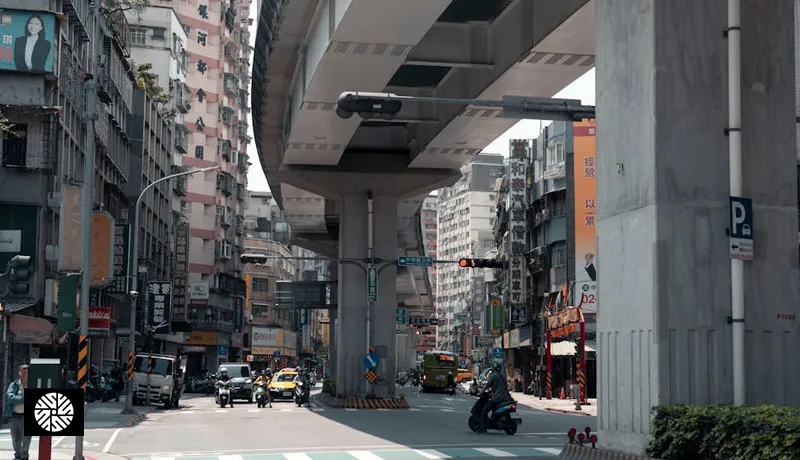
- MRT (subway) ride: NT$20–65 (US$0.65–2.10)
- City bus: NT$15–30 (US$0.50–1.00)
- Taxi (city ride): NT$150–400 per trip; full day NT$200–400 short hops, NT$2,500–4,000 for half-day private hire
- High Speed Rail Taipei–Kaohsiung: NT$1,490 standard / NT$2,440 business (US$48 / US$78)
Tourist sites:
- Free: most temples, parks, night markets, public art, hiking trails
- NT$200–500 (US$6.50–16): museums, observation decks, cultural villages
- NT$800–1,500 (US$26–48): theme parks, hot spring resort day passes
Shopping: International brands (MUJI, Uniqlo, Apple) are priced almost identically to global standards — sometimes 5–10% higher due to import tax. Local goods (tea, pineapple cakes, ceramics, beauty products) are 30–50% cheaper than equivalents abroad.
Backpacker budget tier — what NT$1,500–2,500/day buys
At the lowest tier, Taiwan is genuinely doable on US$50–80 a day. Here's what that realistically gets you in 2026:
- Sleep: Hostel dorm bed (NT$700–1,200) or capsule hotel (NT$1,000–1,500). Ximending and Da'an in Taipei have a dense cluster of options.
- Eat: Three night-market or convenience-store meals (NT$300–500 total). 7-Eleven and FamilyMart sell hot bento boxes, onigiri, and tea eggs that are genuinely good. Add one sit-down meal (NT$300) if you want a break from street food.
- Transit: EasyCard MRT/bus (NT$80–150/day) or unlimited day pass (NT$180).
- Activities: Free temples, parks, Elephant Mountain hike, riverside paths, Taipei 101 from the outside. Save museums and observation decks for one or two splurge days.
This tier works best if you're flexible on neighborhood, OK with shared bathrooms, and treat night markets as a feature rather than a compromise. It does not work for a screening trip — you'll want better rest before fasting bloodwork.
Mid-range tier — NT$3,500–6,500/day
This is the sweet spot most international visitors land in, and it's the tier we recommend for screening-trip travel companions or for the days bookending your hospital visit.
- Sleep: 3–4 star hotel in central Taipei (NT$4,000–6,500). Examples: Hotel Resonance, Just Sleep, citizenM-style international chains. Rooms are small but spotless, with reliable Wi-Fi and 24-hour front desks.
- Eat: One casual breakfast (NT$150 — soy milk shop or hotel buffet), one mid-tier lunch (NT$400–600), one nicer dinner (NT$800–1,500). Total NT$1,400–2,300/day.
- Transit: Mostly MRT plus 1–2 taxis a day (NT$300–600 total).
- Activities: A paid museum (NT$300), a hot spring afternoon (NT$800), a guided walking tour (NT$1,000) — pick one per day.
A 7-day mid-range trip lands at roughly NT$25,000–45,000 (US$800–1,440), excluding flights. This is the realistic baseline for a comfortable solo traveler or couple.
Premium tier — NT$10,000–20,000/day
The premium tier is where Taiwan starts to feel like an extraordinary deal compared to other Asian premium destinations. NT$15,000/day in Taipei buys an experience that would cost NT$25,000–30,000/day in Tokyo or Singapore.
- Sleep: 5-star property — Mandarin Oriental Taipei, Grand Hyatt, Regent Taipei, or design-forward boutiques like Hotel Proverbs (NT$10,000–25,000/night).
- Eat: Hotel breakfast included; Michelin-listed lunch (NT$1,500–3,000); tasting-menu dinner (NT$3,000–6,000). Add one omakase or French degustation per trip (NT$6,000–12,000).
- Transit: Hotel car or private driver (NT$3,000–5,000/day) or premium taxis throughout.
- Activities: Private guided tours, hot spring villa ryokan stay in Beitou or Jiaoxi, custom tea ceremonies, helicopter tour of Taroko Gorge.
This tier pairs naturally with our Executive screening package and is what most VIP medical-tourism guests opt for.
Daily budget tiers at a glance
| Tier | NT$ / day | USD / day | What it covers |
|---|---|---|---|
| Backpacker | NT$1,500–2,500 | US$48–80 | Hostel dorm + night market food + MRT only |
| Mid-range | NT$3,500–6,500 | US$112–208 | 3–4 star hotel + casual dining + MRT/taxi mix |
| Premium | NT$10,000–20,000 | US$320–640 | 5-star hotel + Michelin/fine dining + private transfers |
Shopping costs — local goods vs international brands
Taiwan's shopping economy splits cleanly into two halves, and understanding the split saves real money:
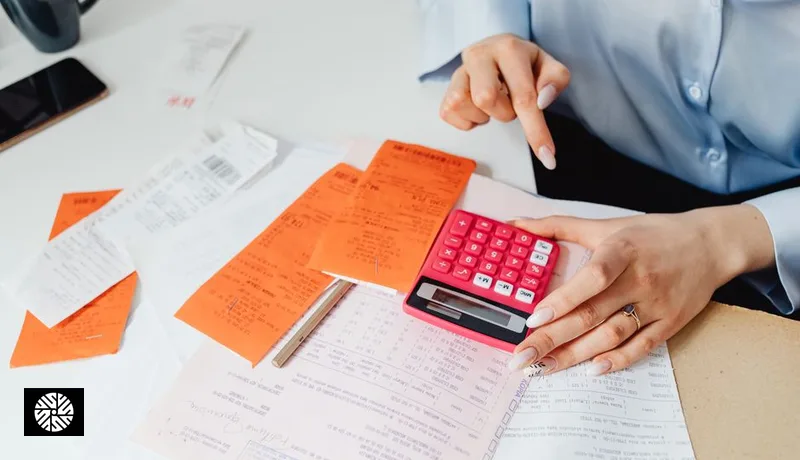
International brands sit at global price parity. A pair of Nike runners, an iPhone, a Uniqlo down jacket, or a MUJI travel kit costs essentially what it costs anywhere else in the developed world — sometimes 5–10% more after import duties. Don't fly to Taipei for an Apple Store run.
Local goods are where the value lives. Pineapple cake gift boxes (NT$300–600 from Chia Te or SunnyHills), high-mountain oolong tea (NT$800–2,500 per 150g for excellent grades), handmade pottery and ceramics (NT$500–3,000), and Taiwan-brand cosmetics like Naruko or My Beauty Diary (NT$200–500) are 30–60% cheaper than equivalents shipped abroad. Yongkang Street and Dihua Street are good hunting grounds.
Night-market clothing and accessories tend to be very cheap (NT$200–800) but quality varies — budget for hits and misses.
Hidden costs — tipping, service charge, sales tax
Good news: Taiwan has almost none of the hidden-cost surprises common in the US.
- Tipping is not expected at restaurants, taxis, hotels, or salons. Locals don't tip; you don't need to either. Premium hotels and high-end restaurants apply a 10% service charge automatically — that's the tip.
- Sales tax (5% VAT) is included in posted prices. The number on the menu or shelf is what you pay. No "plus tax" at the register.
- Foreigners can claim VAT back. The Tax Refund Service (TRS) lets visitors reclaim 5% on purchases above NT$2,000 from participating stores. Look for the "TRS" logo, ask for a receipt, and process the refund at the airport before departure. This makes premium shopping (electronics, designer goods) genuinely cheaper than buying back home.
- ATM withdrawal fees from foreign cards run NT$100–150 per transaction. Withdraw larger amounts less often, or use a fee-free travel card.
Taipei vs Kaohsiung/Tainan — regional cost differences
Taiwan is small but the north–south price gap is real. Taipei is the most expensive city in the country; Kaohsiung and Tainan in the south run roughly 20–30% cheaper across the board:
- Hotels: A 4-star hotel that costs NT$6,000 in Taipei is NT$3,500–4,500 in Kaohsiung or Tainan.
- Dining: Equivalent meal NT$400 in Taipei vs NT$280–320 in the south. Tainan's street food scene is widely considered Taiwan's best, and dishes there often run NT$60–120.
- Transit: Taxis are about 15% cheaper in the south. Both cities have functional MRT systems.
- Premium options: Fewer 5-star hotels in the south, but the ones that exist (Silks Place Tainan, H Resort Kaohsiung) are excellent and 30–40% cheaper than Taipei equivalents.
A Taipei screening fits into 2–3 days, which leaves 3–4 days for exploring Tainan or Hualien — it's an easy budget stretch via High Speed Rail.
Health-screening trip budget — three real scenarios
Here's what an end-to-end medical-tourism trip actually costs in 2026, broken into three realistic tiers anchored to our package levels. All figures include the screening itself, accommodation, food, local transit, and round-trip flights from a US West Coast departure.
| Scenario | Screening | Trip + lodging | Flights | All-in total |
|---|---|---|---|---|
| Core (5-day mid trip) | ~US$399 (NT$13K) | ~NT$20K (US$640) | ~US$1,800 (economy) | ~US$3,000 |
| Signature (7-day premium) | ~US$1,499 | ~NT$70K (US$2,240) | ~US$2,200 (premium economy) | ~US$6,000 |
| Executive (10-day all-premium) | ~US$3,499 | ~NT$150K (US$4,800) | ~US$5,500 (business class) | ~US$15,000 |
Some context for these numbers:
- A comparable executive-level screening in the US (full-body MRI + advanced cardiac + cancer markers + same-day specialist consults) typically runs US$8,000–25,000 for the screening alone. The Executive scenario above includes 10 days in Taiwan plus business class — and still comes in at the lower end of that US-only range.
- The Core scenario is comfortably under the deductible-plus-copay total many Americans pay annually for routine specialist care, and you get an MRI included.
- Browse our provider network to see which screening centers and partner hospitals are involved at each tier.
Cost of living for residents (context)
Visitor pricing makes more sense when you understand the underlying local economy. As of 2026:
- Rent in Taipei: Studio apartment NT$15,000–25,000/month; 1-bedroom in central districts NT$25,000–45,000; 2-bedroom family apartment NT$35,000–80,000. Kaohsiung and Tainan are roughly 40% cheaper.
- Salary baselines: Entry-level office work NT$30,000–40,000/month; mid-career professional NT$50,000–80,000; senior/executive roles NT$100,000–250,000+. Taiwan's median household income is roughly NT$1.1M/year (US$35K).
- Groceries: A weekly grocery basket for two from a mid-range supermarket runs NT$2,500–4,000. Wet markets are 30–40% cheaper than supermarkets for produce and protein.
- Utilities: Electricity, water, gas combined for a 1-bedroom: NT$2,000–4,000/month. High-speed fiber internet: NT$700–1,200/month.
- Health insurance: Resident NHI premium is income-scaled but typically NT$800–2,500/month — covering essentially all routine care with small co-pays.
The takeaway: Taiwanese residents live well on what would be a startlingly modest income elsewhere, and that local cost structure is exactly why visitor prices stay accessible.
Putting it together
For most international visitors in 2026, Taiwan offers the best price-to-quality ratio in East Asia. A backpacker can survive on US$60 a day; a comfortable mid-range traveler should plan US$150–250 a day; a premium traveler can spend US$400–700 a day and still feel they're getting more for the money than they would in Tokyo or Singapore.
If your trip is anchored around a health screening, the math gets even better. Even our top-tier Executive scenario — 10 days, business class, premium hotel, comprehensive screening — comes in at or below what the screening alone would cost in the US. Combined with the country's safety, infrastructure, and food culture, it's hard to think of a destination where a wellness-focused trip delivers more value per dollar.
Ready to plan? Browse our screening packages, explore the provider network, and review related guides on currency exchange and premium accommodation.
Sources & Further Reading
- CDC — Travel health information for Taiwan
- Taiwan Bureau of Consular Affairs — visa and entry
- Taiwan Tourism Bureau — official travel resources
- Central Weather Administration of Taiwan
- Taiwan High Speed Rail — official site
- Taipei Metro (MRT) — official
Frequently asked
Is Taiwan cheap or expensive compared to the rest of Asia?
Taiwan sits in the middle: significantly cheaper than Tokyo, Singapore, Hong Kong, and Seoul (typically 30–50% less on hotels and dining), comparable to Bangkok and Kuala Lumpur, and more expensive than Manila, Hanoi, or Ho Chi Minh City by 30–50%. The value proposition is that you get developed-world infrastructure and quality at mid-tier Asian prices.
What is a realistic 7-day mid-budget for Taiwan in 2026?
Plan NT$25,000–45,000 (US$800–1,440) for 7 days excluding flights. That covers a 3–4 star hotel in central Taipei, three meals a day mixing casual sit-down restaurants with night-market food, MRT plus occasional taxis, and one paid attraction or experience per day. Add roughly US$1,200–1,800 for round-trip economy flights from the US.
How much should I budget for the screening package itself?
New Dawn Health offers tiered packages. Entry tier Convenient ($299, 1.5 hours) covers biometrics, physical exam, blood and urine panels, ECG, hearing/eye, chest X-ray, body composition, and abdominal ultrasound. The Light ($1,399, 2 hours) and Complete ($1,699, 2.5 hours) tiers add full-body MRI; Premium ($1,699) and Advanced ($3,499) are full-day workups with comprehensive imaging plus calcium-score CT and lung CT. Prices reflect 2026-05 — see /services for current pricing.
When is the cheapest month to visit Taiwan?
Shoulder seasons — April to early June and September to early November — offer the best balance of pricing and weather. The absolute cheapest months are typically May (post-Lunar New Year, pre-summer) and November, when hotels drop 15–25% from peak rates. Avoid Lunar New Year (late January or February) when domestic travel pushes prices up sharply.
What is the total all-in cost for an executive-level screening trip?
Approximately US$15,000 all-in: US$3,499 for the Executive screening package, ~NT$150,000 (US$4,800) for 10 days of premium hotels, fine dining, and private transfers in Taiwan, and ~US$5,500 for round-trip business class flights from the US. By comparison, a comparable executive screening alone in the US typically costs US$8,000–25,000 — so the Taiwan version delivers the screening plus a 10-day premium trip and business class flights at the lower end of US-only pricing.
Are there hidden costs — tipping, taxes, or service charges I should know about?
Mostly no. Tipping is not expected in Taiwan at restaurants, taxis, hotels, or salons. The 5% VAT is already included in all posted prices, so the menu number is what you pay. Premium restaurants and 5-star hotels add a 10% service charge automatically (that replaces the tip). Foreign visitors can also reclaim the 5% VAT on purchases above NT$2,000 from TRS-participating stores at the airport before departure.