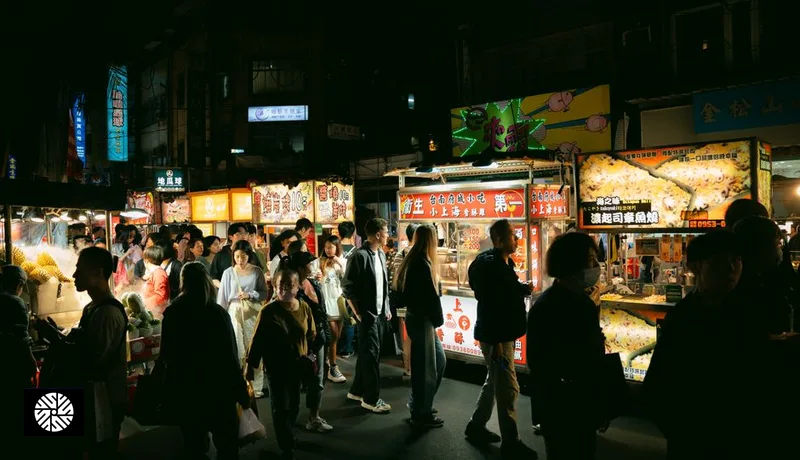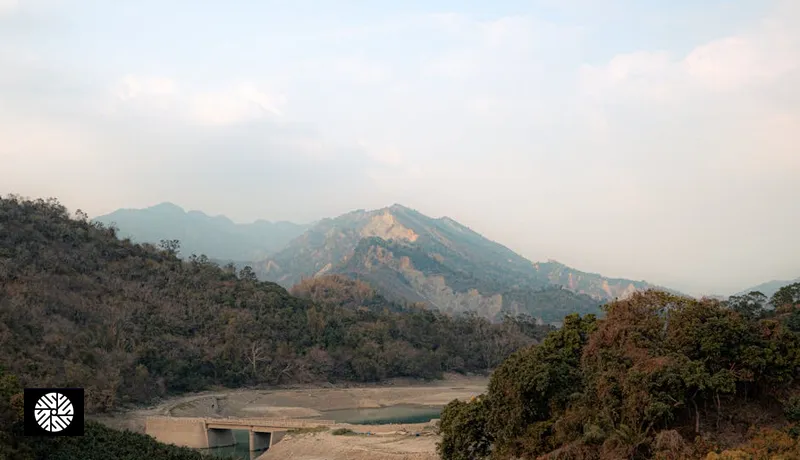

Taiwan is one of the most ecologically diverse islands on the planet — a place where, in a single week, you can hike a 3,000-meter alpine ridge, snorkel coral reefs off a volcanic island, cycle a 1,000-kilometer coast, and share a meal with a Truku family in a Hualien river valley. For travelers thinking about a screening trip as the anchor of their visit, the eco-tourism layer is what turns a medical errand into a meaningful trip — and what makes recovery feel restorative rather than clinical.
This guide goes deeper than a "top 10 nature spots" list. If you want that, our natural spots guide covers Taroko, Sun Moon Lake, Alishan, and the headline destinations. Here, the focus is on Taiwan's nine national parks, its 14 officially recognized Indigenous peoples, sustainable accommodation, and the practical decisions — cycling, diving, surfing, birding — that shape an eco-conscious itinerary.
Taiwan's 9 National Parks — What's in Each
Taiwan's national park system is small by U.S. standards in total area, but the ecological range is enormous because the island sits where the tropics, subtropics, and temperate alpine zones meet inside roughly 36,000 square kilometers. Each of the nine parks has a distinct character.
| National Park | Character | Access |
|---|---|---|
| Yangmingshan | Volcanic peaks, hot springs, calla lily fields, urban-edge hiking | 40 min from Taipei MRT + bus |
| Yushan | Taiwan's highest peak (3,952m), alpine meadows, multi-day permits | Tataka entry via Alishan/Shuili; permit required |
| Taroko | Marble gorge, suspension bridges, Truku heartland | 3 hr by train Taipei to Hualien; bus or driver from there |
| Kenting | Tropical south, coral reefs, surf, birding wetlands | HSR to Zuoying + 2 hr bus |
| Sheipa | Rugged mid-altitude wilderness, Atayal villages, Smangus | Limited road access; 4WD or guided |
| Kinmen | Cold-war battle sites, traditional Fujianese villages, migratory birds | 1 hr flight from Taipei or Kaohsiung |
| Penghu South Sea | Basalt islets, marine biosphere, snorkeling and small-boat hops | Ferry from Penghu main island |
| Taijiang | Tainan mangroves, oyster farms, black-faced spoonbill habitat | 30 min from Tainan HSR; flat, easy |
| North Coast & Guanyinshan | Sea cliffs, geological formations, raptor migration corridor | 1 hr by car or bus from Taipei |
Of the nine, Yangmingshan and Taijiang are the most accessible without specialized planning, and Taroko remains the showstopper most visitors pair with a Hualien stay. Yushan and Sheipa require permits applied for weeks in advance and are best with a guide unless you have alpine experience.
Indigenous Communities and Cultural Tourism
Taiwan officially recognizes 14 Indigenous peoples, collectively known as 原住民族 (Yuanzhumin): Amis, Atayal, Paiwan, Bunun, Truku, Saisiyat, Tsou, Pinuyumayan (Puyuma), Yami (Tao), Sediq, Kavalan, Sakizaya, Hla'alua, and Kanakanavu. They are Austronesian peoples whose languages and cultures predate Han Chinese settlement by thousands of years — and Taiwan is, by linguistic evidence, the homeland from which the broader Austronesian world (from Madagascar to Hawaii to Aotearoa) descends.
For travelers, Indigenous tourism is one of the most rewarding and most easily mishandled parts of a Taiwan trip. Done well, it supports communities directly and offers an experience no resort can replicate. Done poorly, it slides into voyeurism. The principle that consistently works: book through tribal-run programs, ask before photographing, and treat ceremonies as ceremonies, not performances.
| Region | Tribes | What's distinctive |
|---|---|---|
| Hualien | Truku, Amis | Taroko gorge stewardship, river-valley villages, Amis 豐年祭 harvest festival |
| Pingtung | Paiwan, Rukai | Stone slab houses, hundred-pacer snake motifs, ceremonial textiles |
| Taitung | Pinuyumayan, Bunun | East-coast rice terraces, Bunun pasibutbut polyphonic singing |
| Lanyu (Orchid Island) | Yami (Tao) | Flying-fish culture, traditional plank boats (tatala), island-only homeland |
| Hsinchu / Miaoli mountains | Atayal, Saisiyat | Smangus mountain village, Saisiyat Pas-ta'ai dwarf-spirit ritual (every 2 years) |
The Amis 豐年祭 (harvest festival, also called 海祭 sea festival in coastal villages) runs through July and August across the east coast, with each village setting its own dates. Some events welcome respectful visitors; others are closed to outsiders. Always confirm with the village office before showing up, and follow whatever guidance they give about photography, dress, and participation.
Eco-Lodges and Sustainable Stays
Taiwan's eco-accommodation scene has grown alongside its broader environmental movement. A few standouts cover the spectrum from boutique forest retreat to backpacker-friendly:
- Volando Urai (馥蘭朵烏來) — A hot-spring resort in the Atayal homeland of Wulai, an hour south of Taipei, designed around minimal-impact construction and Indigenous-influenced architecture. Strong wellness layer, which makes it a natural recovery base after a Taipei screening morning.
- Smangus (司馬庫斯) — A remote Atayal village deep in the Sheipa mountains, accessible only by a long winding road. Community-owned, guesthouse-style stays, ancient cypress trail. Best booked weeks ahead.
- Brilliant Time Spring Hostel — A Taipei hostel built around a shared library on Southeast Asian migrant literature. Not a forest lodge but a strong example of socially-sustainable urban hospitality.
- Lula Hostel (露露) — Smaller hostel in Hualien with eco-conscious operations, well placed for Taroko day trips.
- Cingshui Ranch / Yilan farmstays — A cluster of working farms offering room-and-board with farm work, in the Lanyang plain north of Taipei.
For broader filtering, Hostelworld's eco-certified tag and Booking.com's Travel Sustainable badge both surface verified options across Taiwan. Neither is a perfect signal — certifications vary in rigor — but the badged properties at least have to document waste, water, and energy practices.
Round-Island Cycling — Taiwan's Signature Long-Distance Route
The 環島 (Huandao, "around the island") route is roughly 1,000 kilometers and has become Taiwan's signature cycling pilgrimage. International cyclists make up a meaningful share of riders each year, drawn by good roads, low traffic on the east coast, and one of the world's densest 7-Eleven networks for resupply.
Most riders take 9 to 12 days. The standard route runs Taipei → Hsinchu → Taichung → Tainan → Kaohsiung → Kenting → Taitung → Hualien → Yilan → Taipei. Roughly 80 percent of the route is flat coastal riding; the major exception is the cliff-hugging Suhua Highway between Yilan and Hualien, which has improved dramatically since the Suhua Improvement project but remains the most demanding stretch.
Giant Bicycles, Taiwan's homegrown global bicycle company, runs a one-way rental network: pick up in one city, drop off in another. This eliminates the logistical pain of round-trip rentals and is the standard choice for international visitors. Many riders combine self-supported segments with a few days on a guided tour for the harder stretches.
For a first-time long-distance cyclist, round-island is genuinely realistic if you've done multi-day rides before, can train on hills for a few months ahead, and accept that one or two days will be hard. It is not a beginner introduction to touring.
Marine Eco-Tourism — Green Island, Orchid Island, Penghu
Taiwan's marine ecosystems are concentrated in three offshore archipelagos, each with a distinct identity:
- Green Island (綠島, Lyudao) — Volcanic island off Taitung, accessible by 50-minute ferry or short flight. Famous for saltwater hot springs (one of three in the world), coral diving, and a former political prison that now operates as a human-rights memorial.
- Orchid Island (蘭嶼, Lanyu) — The Yami (Tao) homeland, three hours by ferry from Taitung. Diving here is among the best in Northeast Asia, with healthy reefs and pelagic visits. This is also a living Indigenous community, not a resort destination — book with respect, and follow Yami fishing-season norms.
- Penghu archipelago — A cluster of around 90 basalt islands in the Taiwan Strait. Snorkeling, kayaking, and the South Sea Marine National Park draw most visitors; the off-season can be windy.
Closer to mainland Taiwan, the reefs of Kenting National Park in the south offer accessible diving and snorkeling without an offshore-island commitment, and Houbihu Marina is the main dive operator hub.
Surfing the Southeast Coast
Taiwan has a quietly excellent surf scene that international travelers tend to overlook. The southeast coast — broadly from Taitung down through Donghe and onto the Kenting peninsula — gets consistent swell from the Pacific, with both reef and beach breaks suitable for a range of levels.
Donghe in Taitung is the unofficial capital, with a small cluster of surf shops, board rentals, and surf-camp guesthouses. Jialeshui on the Kenting east coast is the southern counterpart, with reef breaks and a more laid-back vibe. Crowds are modest by global standards, water is warm most of the year, and sessions are easy to combine with hot springs and Indigenous community visits.
Indigenous Food and Cultural Immersion
Indigenous food traditions are some of the most distinct cuisines on the island, built around foraged plants, river fish, wild game (where regulated), and millet — a grain that long predates rice in Taiwan's mountain regions.
- Truku cuisine in Hualien — Bamboo-tube rice, mountain pig with sticky-millet wraps, river shrimp, and fern shoots. A handful of family-run restaurants in the Taroko-area villages serve traditional Truku menus.
- Amis 豐年祭 — The harvest festival is also when Amis food culture goes on full display: shared communal meals, stuffed bamboo, freshly steamed glutinous rice cakes.
- Paiwan stone-slab villages — Pingtung's mountain villages preserve stone slab houses (石板屋) built from quarried slate. Day visits and homestay programs in places like Old Qijia (舊七佳) offer a window into a building tradition that's been continuous for centuries.
- Bunun mountain food in Taitung — Smoked meats, mountain greens, polyphonic singing performed before harvest as a blessing for the crop.
Endemic Wildlife and Bird-Watching
Taiwan has roughly 30 endemic bird species and a remarkable density of endemic mammals, reptiles, and amphibians given its size. Wildlife highlights:
- Formosan macaque — Taiwan's only native primate, common in Yangmingshan and Kenting; do not feed them.
- Formosan blue magpie (台灣藍鵲) — The unofficial national bird, brilliant cobalt with a long tail, often seen at mid-elevation in the central mountains.
- Mikado pheasant — Reclusive, found above 2,000 meters in the central range; a target species for serious birders.
- Formosan black bear — Critically rare, roughly 200 to 600 left in the wild; sightings are unusual and to be treated as a privilege.
For active bird-watching, Daxueshan Forest Recreation Area in Taichung is the most reliable destination — a high-altitude forest where Mikado pheasants, Swinhoe's pheasants, and a good range of endemics can all be seen on a multi-day trip. Taipei Botanical Garden is a surprisingly productive urban site, particularly in winter when waterbirds arrive. The Taijiang mangroves draw the wintering black-faced spoonbill, one of Asia's rarest waterbirds.
Environmental Movement Context
Taiwan's eco-tourism scene exists because of decades of civil-society work. After the lifting of martial law in 1987, environmental NGOs surged through the 1990s, pushing back on industrial pollution, nuclear expansion, and unchecked development. The legacy is visible: Taiwan now has one of Asia's most active recycling systems, dense national park coverage, and a growing renewable sector.
Under the Tsai Ing-wen administration, Taiwan committed to a major offshore wind buildout in the Taiwan Strait — among the largest in Asia — and in 2022 formally pledged net-zero emissions by 2050. The transition is uneven and contested (energy mix, industrial demand, semiconductor sector), but the policy direction is set, and traveler choices that favor public transit, certified-green stays, and community-run tourism reinforce the trend.
Pairing Eco-Tourism with a Screening Morning
For visitors using a screening trip as the anchor, the structure that works best treats the medical morning as a single block and lets the rest of the week breathe. A 7-day plan:
- Day 1 (Taipei) — Arrive, light walking, early sleep.
- Day 2 (Taipei) — Screening morning at one of our partner providers, lunch, an easy afternoon at Beitou hot springs for recovery.
- Day 3 (Taipei to Hualien) — Train east; afternoon walk along the Pacific.
- Days 4–6 (Hualien / Taroko) — Taroko gorge, a Truku-led cultural program, a quiet farmstay or eco-lodge night.
- Day 7 (return via Yilan or Taitung) — Either Sun Moon Lake on the way back to Taipei, or extend south to Taitung for a surf afternoon at Donghe before flying home.
This structure keeps the medical layer compact, leaves real recovery time, and front-loads the most demanding travel for after results are received. For broader pacing options, our 3/5/7-day itinerary guide walks through alternates, and our weather guide covers seasonal trade-offs.
Closing Thought
The argument for Taiwan as an eco-tourism destination isn't that it's the most exotic or remote — it isn't. The argument is that within a small, navigable island, you can move from urban density to alpine forest to coral reef without leaving the same train system, and the human depth (14 Indigenous peoples, four centuries of layered settlement, a still-active environmental movement) gives the natural beauty something to mean. For travelers building a screening trip into a meaningful week, the recovery layer is where Taiwan does its most interesting work. See why Taiwan is Asia's hidden wellness destination for the broader case.
Sources & Further Reading
- CDC — Travel health information for Taiwan
- Taiwan Bureau of Consular Affairs — visa and entry
- Taiwan Tourism Bureau — official travel resources
- Central Weather Administration of Taiwan
- Taiwan High Speed Rail — official site
- Taipei Metro (MRT) — official
Frequently asked
Which national park is most accessible from Taipei?
Yangmingshan is the easiest by a wide margin — about 40 minutes from central Taipei via MRT plus a city bus. It offers volcanic peaks, hot springs, and a range of trails from short walks to half-day hikes. Taijiang in Tainan and the North Coast / Guanyinshan park are also low-effort options if you are based outside Taipei or have a half day to spare.
Can I visit Indigenous communities respectfully as a foreign visitor?
Yes — but the way matters. Book through tribal-run programs or village offices rather than third-party tours where possible, ask before photographing people or ceremonies, and treat festivals like the Amis 豐年祭 as ceremonies, not performances. Some villages welcome respectful visitors; others restrict outside attendance, especially during ritual events. Confirm with the community before traveling.
Is round-island cycling realistic for a first-time long-distance rider?
Realistic if you have done multi-day rides before, can train on hills for a few months ahead, and accept that one or two days — particularly the Suhua Highway between Yilan and Hualien — will be hard. The terrain is roughly 80 percent flat coastal riding. Giant Bicycles operates a one-way rental network across the island, so you do not have to commit to round-trip logistics. It is not a beginner introduction to bicycle touring.
Where are the best places for diving in Taiwan?
Orchid Island (Lanyu) and Green Island (Lyudao), both off the southeast coast, offer the strongest reef and pelagic diving in Taiwan and are among the better dive destinations in Northeast Asia. The Penghu archipelago in the Taiwan Strait is great for snorkeling and shallow reefs. For accessible diving without an offshore-island trip, Kenting National Park's reefs near Houbihu Marina are the standard option.
What is the best off-the-beaten-path hiking in Taiwan?
Sheipa National Park and the Atayal village of Smangus offer mountain trails and a community-run forest experience that most international visitors miss. Daxueshan Forest Recreation Area is excellent for high-altitude birding-plus-hiking. For multi-day adventures with permits and preparation, Yushan and the central range traverses are the serious options. Operators like Taiwan Trails, Eddie's Cafe Et Al, and Taiwan Adventure Outings specialize in less-traveled routes.
How does eco-tourism pair with a medical screening trip?
The structure that works best treats the screening as a single morning block — usually in Taipei — and uses the remaining days for recovery and exploration. A 7-day plan often runs: screening morning plus Beitou hot springs day, train to Hualien for three days of Taroko and Truku cultural travel, then either Sun Moon Lake on the return or a Taitung surf detour. The medical layer stays compact; the eco layer gives the trip meaning.