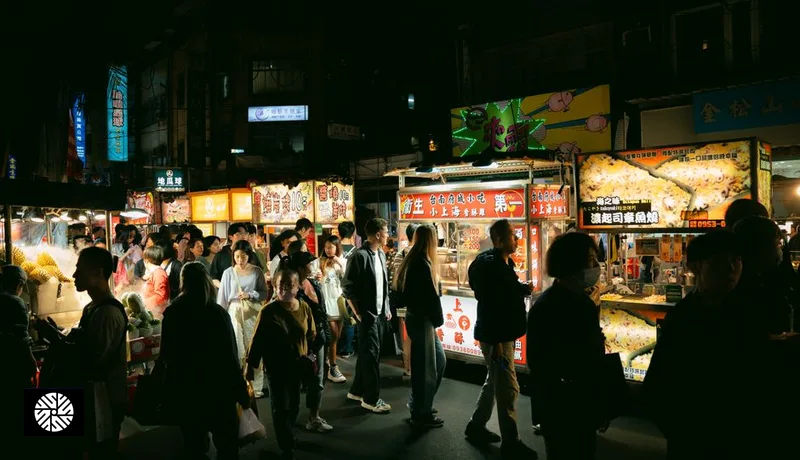

Most international visitors to Taiwan land in Taipei, ride the MRT, eat at a night market, and fly home thinking they have seen the country. They have seen perhaps fifteen percent of it. Taiwan is a small island with the geographical drama of a continent — marble gorges carved by jade-green rivers, Northeast Asia's highest peak rising almost four thousand meters out of the Pacific, alpine lakes ringed by indigenous villages, sulfur-steam volcanoes thirty minutes from the capital, and southern beaches that look like Okinawa with fewer crowds.
For travelers building a wellness-and-recovery trip around a Taipei health screening morning, this geography is a gift. A premium MRI panel takes one morning. The other six days of your trip can be spent absorbing Taiwan's natural side — which, on its own terms, is one of the better recovery layers you will find anywhere in Asia. This guide walks through the country's most rewarding natural destinations, when to visit each, how to reach them from Taipei, and how to slot them around a screening day without burning out.
Taroko Gorge — Taiwan's most iconic landscape
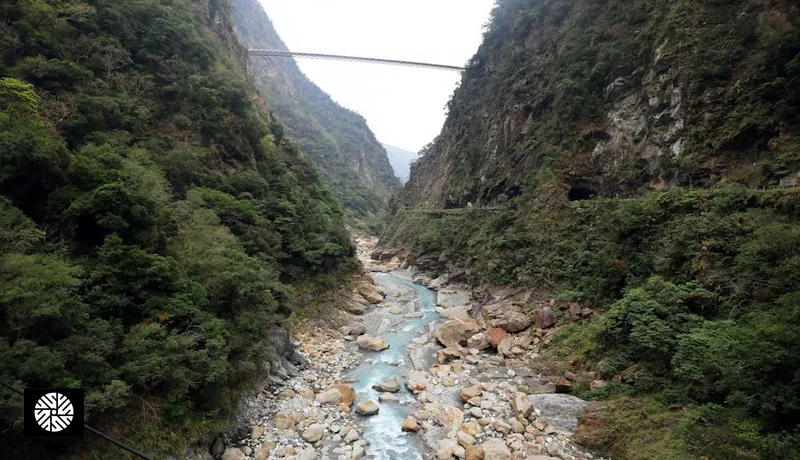
If you only see one piece of Taiwan's natural side, make it Taroko. The gorge sits on the east coast in Hualien County, a 19-kilometer canyon carved by the Liwu River through a marble massif so steep that the road tunnels in and out of the cliff face for most of its length. The walls are streaked white, gray, and black; the river below runs an unreal turquoise; and on a clear morning, mist drifts through the higher folds in a way that feels staged.
Getting there from Taipei
The fastest route is the Puyuma or Taroko Express train from Taipei Main Station to Hualien — about 2 hours 5 minutes for the express service, slightly longer for the standard Tze-Chiang. Book at least three days in advance through the TRA booking site; weekend trains sell out a week ahead. From Hualien Station, the gorge entrance is roughly 25 minutes by taxi or the Taroko Shuttle Bus (route 1133A). Day-tripping from Taipei is technically possible — leave at 7 AM, return at 8 PM — but you will spend half the day on a train and arrive at the gorge during peak heat. Two days is the right answer.
Key viewpoints and stops
- Eternal Spring Shrine (長春祠) — A pavilion built into a waterfall cliff, dedicated to workers who died building the Central Cross-Island Highway. The classic photo of Taroko.
- Swallow Grotto (燕子口) — A 1.4 km walking section where the gorge narrows to its tightest point. Helmets are required (issued at the entrance) because of occasional rockfall.
- Tunnel of Nine Turns (九曲洞) — Another walkable section, status varies by season. The marble walls at this stretch are the most dramatic in the entire park.
- Qingshui Cliffs (清水斷崖) — Technically just outside the park along the coastal highway. A wall of rock plunging directly into the Pacific. Best viewed mid-morning when the light hits the cliff face.
- Tianxiang (天祥) — The deepest accessible point in the park, with a small village, a temple, and the start of several longer trails.
2024 earthquake — current reopening status
The April 2024 magnitude 7.4 earthquake struck the Hualien coast and caused significant rockfall inside the gorge. Several major trails (Shakadang, Baiyang Waterfall, Zhuilu Old Road) closed indefinitely. As of mid-2026, the park has reopened in stages: the main scenic highway is passable, Eternal Spring Shrine and the Tunnel of Nine Turns area can be visited under guided-only access, and Swallow Grotto remains restricted to specific time windows. The Zhuilu Old Trail — the famous cliff-edge walk — remains closed to international visitors. Always check the Taroko National Park headquarters site within 48 hours of your visit; conditions update weekly during typhoon season.
1-day vs 2-day plans
A 1-day plan from a Hualien base is enough to see the highlights at a fast pace: arrive at the visitor center by 8:30, hit Eternal Spring Shrine, drive up to Tianxiang for lunch, walk Tunnel of Nine Turns on the way back, finish at Qingshui Cliffs by 4 PM. A 2-day plan adds the Liyu Lake area, an evening soak at a hot spring inn near Wenshan, and a slower morning at Cimu Bridge — and importantly, a chance to see Taroko in different light.
Sun Moon Lake — wellness recovery destination
Sun Moon Lake (日月潭) is Taiwan's largest body of water, sitting at 748 meters elevation in central Nantou County. The lake takes its name from its shape — the eastern half is round like the sun, the western half curves like a crescent moon, separated by tiny Lalu Island. The setting is alpine without being severe: forested hills slope down to a calm lake surface, mist rises in the morning, and the temperature rarely climbs above 28°C even in August.
Getting there and geography
Sun Moon Lake is reachable from Taipei via High Speed Rail to Taichung Station (50 minutes), then the Nantou Bus 6670 directly to the lake (90 minutes). Total journey from Taipei: about 2 hours 40 minutes door-to-door. Most visitors stay in Shuishe (the main village) or Ita Thao (the indigenous Thao community on the lake's southern shore).
Thao indigenous culture
The Thao people are the smallest officially recognized indigenous group in Taiwan, with fewer than a thousand members. Lalu Island, in the middle of the lake, is sacred to them — visitors cannot land. Ita Thao village preserves Thao craft, music, and food traditions; the small evening market here is one of the gentler night-market experiences in Taiwan, with millet wine, smoked boar, and freshwater shrimp from the lake itself.
Lakeside resorts
For a wellness recovery layer, the named lakeside hotels deliver. The Lalu is the iconic property — a Kerry Hill-designed resort on the eastern bluff with infinity pools facing the water. Fleur de Chine sits on the western shore with private hot spring rooms drawing on a natural carbonate spring. Hotel Day+ offers a more accessible price point with a strong spa program. Crystal Resort rounds out the upper-mid tier with full lake-view rooms and a rooftop bath. Any of these pair well with the Taipei screening morning — the body has been poked, scanned, and bloodlet, and three days of mineral water and lake air is exactly the recovery prescription.
Cycling, ferries, viewpoints
The 30-kilometer cycling perimeter loop is one of CNN's "ten most beautiful bike routes in the world" — and unusually for such lists, the rating is justified. The route is fully paved, with elevated wooden boardwalks over the water at the more dramatic sections. Rental bikes (regular and e-assist) are available at Shuishe pier. The lake ferry runs a triangle between Shuishe, Ita Thao, and Xuanguang Temple, with day passes around NT$300. For sunrise, walk up to Wenwu Temple before dawn; for sunset, the Ita Thao boardwalk faces directly west across the lake.
Why this pairs perfectly with a screening morning
Sun Moon Lake is, structurally, the closest thing Taiwan has to a recovery environment. The elevation is enough to feel the air change but not enough to stress a body that just had four hours of medical procedures. The hot spring water at Fleur de Chine and several smaller inns is rich in carbonates — useful for circulation. The cycling loop offers a full half-day of moderate exercise without traffic. And the lakeside dining is consistently strong: freshwater fish, mountain vegetables, oolong tea grown on the surrounding slopes.
Alishan — the slow mountain village
Alishan National Scenic Area sits at 2,200 meters in Chiayi County, central Taiwan. It is famous for three things: the Forest Railway, sunrise sea-of-clouds, and cherry blossom in spring. The village itself is small — a few guesthouses, a temple, a tea-shop street — and the appeal is precisely the slowness.
Forest Railway
The Alishan Forest Railway was built in 1912 to bring cypress timber down to the lowlands. It is one of three remaining alpine railways in the world and an engineering oddity: the line uses a Z-shaped switchback to gain elevation, reverses direction multiple times, and passes through more than 50 tunnels. The full Chiayi-to-Alishan route was partially restored in 2024 after a long closure due to typhoon damage; check current operating sections before booking. The railway is the destination as much as the village is.
Sunrise sea-of-clouds
The Alishan sunrise viewing platform draws crowds at 4:30 AM. On a clear morning, the sun rises over a cloud layer that fills the valley below — Taiwan's signature mountain photograph. On a cloudy or rainy morning, you see fog. The hit rate is roughly 50% in autumn and winter, lower in summer. Reaching it requires the small Zhushan Line train, which leaves the Alishan station an hour before official sunrise.
Cherry blossom timing
Mid-March to early April is the Alishan cherry blossom window. The Yoshino, Taiwan, and Fuji varieties bloom in sequence, giving roughly three weeks of flowering. This period also coincides with the busiest crowds of the year — book accommodation two months in advance.
Total travel time from Taipei: about 4 hours via HSR to Chiayi plus the Alishan Forest Railway connection (or shuttle bus while sections of the railway are restored).
Yushan / Jade Mountain — Northeast Asia's highest peak
Yushan, at 3,952 meters, is the highest peak in Northeast Asia — taller than Mount Fuji by nearly 200 meters and significantly less commercialized. The summit is a serious undertaking. The standard route is a 2-day, 1-night hike via the Paiyun Lodge, with a 3 AM summit push on the second morning to catch sunrise from the peak.
Permit lottery
Yushan operates on a permit lottery system. The Paiyun Lodge has a fixed bed quota each night, and weekend slots are oversubscribed by roughly 10:1. Apply through the Yushan National Park online portal up to four months in advance. International visitors can apply but must coordinate the Park Permit and Police Permit; many guided operators handle both.
Difficulty
This is not a beginner mountain. The trail is well-maintained but the altitude (sleeping at 3,400 m) hits casual hikers hard, and the final summit push includes loose scree, fixed chains, and exposure. A reasonable threshold: if you have done a 14-mile day hike with 4,000 ft of elevation gain in the past year, you can do Yushan with proper acclimatization. If you have not, choose Hehuanshan (3,416 m, drive-up access, day-hike to peak) instead.
When to attempt
The window is October through April, with November and March being the sweet spots — clear skies, dry trail, and temperatures in the 0 to 10°C range at altitude. Summer brings afternoon thunderstorms and typhoon closures.
Yangmingshan — Taipei's mountain backyard
Yangmingshan National Park sits 30 to 45 minutes from central Taipei by Bus 260 from Taipei Main Station, or a NT$300 taxi from the Tianmu area. The park is volcanic — the Tatun Volcano Group is technically still active, which is why the surrounding hot springs (Beitou especially) carry such strong sulfur loads.
Calla lily and cherry blossom seasons
March and April bring two distinct flower events. The Calla Lily Festival in Zhuzihu (a small caldera valley inside the park) runs roughly from late March through April — visitors can pick lilies directly from the fields for a small fee. Cherry blossom at Yangmingshan starts in February with the Taiwan cherry, runs through Yoshino in March, and ends in early April. The combination of geothermal landscape (steaming fumaroles) and flowers is genuinely unusual and photographs well.
Beitou pairing
The natural pairing is Yangmingshan in the morning, Beitou Hot Spring in the afternoon. Beitou is at the southern edge of the park, on the MRT red line, and offers everything from public bathhouses (Beitou Public Hot Spring, NT$40 entry) to luxury inns like the Villa 32 and Grand View Resort. The water here is acidic sulfur — sharp smell, slightly stinging at first, but locally credited with skin and joint benefits. For a screening recovery day, Beitou is an obvious afternoon. See why Taiwan is Asia's hidden wellness destination for more on this.
Hot springs across Taiwan — by mineral profile
Taiwan sits on the boundary of the Eurasian and Philippine Sea plates, which gives the island roughly 130 documented hot spring sources spread across every region. The springs vary widely by mineral content, and that matters more than most travelers realize — different mineral profiles target different therapeutic claims.
| Spring | Mineral profile | Traditional claim | Proximity |
|---|---|---|---|
| Beitou | Acidic sulfur (volcanic) | Skin conditions, joint pain | 25 min from Taipei (MRT) |
| Wulai | Sodium bicarbonate (milky) | Soft skin, "beauty water" | 45 min from Taipei (Atayal village) |
| Guanziling | Mud spring (rare) | Detoxification, exfoliation | Tainan County, southern Taiwan |
| Jiaoxi | Carbonate (clear, odorless) | Circulation, gentle on skin | Yilan County, 70 min from Taipei |
| Lushan | Bicarbonate, high temperature | Muscle recovery, deep heat | Nantou, near Sun Moon Lake |
Beitou is the single most accessible — it is genuinely within Taipei and can be done as a half-day after a screening morning. Wulai is gentler and a good evening option from Taipei. Jiaoxi is the choice if you want a full hot spring town experience without leaving the north. Guanziling is a mud-spring oddity worth a detour if you are already in Tainan. Lushan pairs naturally with a Sun Moon Lake stay.
Kenting — the southern beach option
Kenting National Park covers Taiwan's southern tip and is the only part of the island that genuinely feels tropical. The peninsula has white-sand beaches, coral reef snorkeling, the southernmost lighthouse (Eluanbi), and Hengchun — a walled town that became a backdrop for the 2008 Taiwanese film Cape No. 7 and remains a relaxed base.
Getting there: HSR to Zuoying (Kaohsiung), then the Kenting Express bus, total about 4.5 hours from Taipei. Kenting is best from October through April when the weather is dry and warm without monsoon humidity. Summer brings typhoons and stinger jellyfish; locals avoid the water from late June through August. The reef snorkeling at Houbihu is genuinely good — soft corals, parrotfish, occasional turtles — and the South Bay area is the only point on Taiwan's mainland where you can watch the sun set into the open Pacific.
Penghu — the lesser-known island option
Penghu is a 64-island archipelago an hour's flight west of Taipei in the Taiwan Strait. The water is clearer than anywhere on the main island, the beaches are wider, and the basalt rock formations are unique to this part of the world. Peak season is May through August (windsurfing crowds), but the shoulder months of April and September are arguably better — same weather, half the people. Most visitors fly into Magong, the main island, and rent scooters to circle the connected outer islands.
Seasonal calendar — what blooms when, when to avoid
Timing matters more in Taiwan than most travelers expect. The cherry blossom window is short, the typhoon window is real, and the recovery quality of a hot spring soak in February is materially different from one in July. For deeper detail see the Taiwan weather guide.
| Month | Event / bloom | Best region |
|---|---|---|
| February | Taiwan cherry, plum blossom; hot spring peak | Yangmingshan, Beitou |
| March | Yoshino cherry, calla lily | Alishan, Yangmingshan (Zhuzihu) |
| April | Late cherry, tung-flower start | Hsinchu, Miaoli mountains |
| May–June | Plum rain (humid, frequent showers) | All — avoid hiking |
| July | Beach season peak | Penghu, Kenting |
| August–September | Typhoon window — high disruption risk | All — flexible plans only |
| October–November | Autumn coast hiking, clear skies | Taroko, Hehuanshan, east coast |
| December–January | Hot spring sweet spot, low crowds | Beitou, Jiaoxi, Wulai |
The two windows to avoid for a wellness trip: late May to mid-June (plum rain) and mid-August to mid-September (typhoon peak). Both can flood your itinerary with cancellations. Late February through early April and late October through early December are the sweet spots — clear weather, full hot springs, manageable crowds.
Pairing nature with a Taipei screening morning
The screening itself takes one morning. The smarter question is what you do with the remaining six days. A 7-day plan that has tested well with our patients:
- Day 1 (arrival) — Land at TPE in the afternoon. Light dinner near hotel. Sleep early to recover from the flight.
- Day 2 (screening) — Morning: full premium screening at one of our partner hospitals. Afternoon: rest, light walk.
- Day 3 (Beitou) — Half-day at Yangmingshan or Beitou. Slow soak. Early dinner. This is the actual recovery day.
- Days 4–5 (Sun Moon Lake) — HSR to Taichung, bus to the lake. Two nights at a lakeside resort with hot spring access. Cycling on the easy day, ferry on the lazy day.
- Days 6–7 (Hualien / Taroko OR Tainan culture) — Branch decision. Outdoor option: train to Hualien, full day at Taroko Gorge, return via the coastal scenic route. Cultural option: HSR to Tainan, old-town walking, temples, food. Both are reasonable.
- Day 8 (departure) — Return to Taipei, fly home.
For travelers who want a longer stay, see our 3, 5, and 7-day itineraries. For practical logistics like navigation, SIM cards, and hotel zones, see the complete Taipei travel guide.
The reason this structure works is that the demanding parts of the trip — the medical procedures, the long travel days — are front-loaded against rest days, and the natural attractions are placed where they amplify rather than fight the recovery. You arrive home with a clean medical baseline, a stamp of mountain air, and the kind of memory of a place that does not come from a rushed three-day stopover. Browse our network of partner hospitals and clinics to find the right starting point for your own version of this trip.
Sources & Further Reading
- CDC — Travel health information for Taiwan
- Taiwan Bureau of Consular Affairs — visa and entry
- Taiwan Tourism Bureau — official travel resources
- Central Weather Administration of Taiwan
- Taiwan High Speed Rail — official site
- Taipei Metro (MRT) — official
Frequently asked
Is Taroko Gorge fully reopened after the 2024 earthquake?
Not entirely. As of mid-2026, the main scenic highway is passable and key viewpoints like Eternal Spring Shrine and the Tunnel of Nine Turns area can be visited under guided-only access. Several major trails — including Shakadang, Baiyang Waterfall, and the Zhuilu Old Road — remain closed or restricted. Conditions update weekly during typhoon season, so always check the Taroko National Park headquarters site within 48 hours of your visit.
How long should I spend at Sun Moon Lake?
Two nights, three days is the sweet spot. One night feels rushed — you arrive in the afternoon, sleep, and leave the next morning without seeing the lake at different light. Two nights gives you a full cycling day, a ferry day, and proper time at the resort's hot spring or spa. Anything beyond three nights tends to feel slow unless you are deliberately decompressing after a medical procedure.
What is the best 7-day combination of nature and city in Taiwan?
Day 1 arrival in Taipei, Day 2 screening morning + rest, Day 3 Yangmingshan or Beitou, Days 4–5 Sun Moon Lake with a lakeside hot spring resort, Days 6–7 either Hualien-Taroko (outdoor) or Tainan (cultural). This structure front-loads the medical and travel-heavy parts of the trip and places the natural attractions where they support recovery rather than fight it.
Can I do Yushan / Jade Mountain as a beginner hiker?
No. Yushan is a serious 2-day, 1-night hike to Northeast Asia's highest peak (3,952 m), with a 3 AM summit push, fixed chains, scree, and altitude exposure. The threshold is roughly: if you have done a 14-mile day hike with 4,000 ft of elevation gain in the past year, you can do Yushan with proper acclimatization. If not, choose Hehuanshan instead — it has drive-up access to 3,275 m and a manageable day-hike to the main peak.
What are the best hot springs near Beitou Health Management Hospital?
Beitou itself is the answer — the hospital sits within Beitou district, on the MRT red line, and the surrounding hot spring zone is the most concentrated in Taiwan. Public option: Beitou Public Hot Spring (NT$40). Mid-tier with private rooms: Spring City Resort, Sweetme Hotspring Resort. Luxury inns: Villa 32, Grand View Resort, Gaia Hotel. The water is acidic sulfur — sharp smell, locally credited with skin and joint benefits — and the proximity to the hospital makes Beitou the obvious afternoon after a screening morning.
When is the worst time of year to plan a Taiwan nature trip?
Two windows to avoid: late May to mid-June (the plum rain season — humid, frequent showers, low visibility on mountain trails) and mid-August to mid-September (typhoon peak — flight cancellations, park closures, and dangerous coastal conditions). The best windows are late February through early April (cherry blossom, mild weather) and late October through early December (clear autumn skies, low crowds, full hot spring season).