
If you have ever stared in a clinic brochure and wondered what the difference is between a chemical peel, a Hydrafacial, microneedling, and "RF microneedling" — you are not alone. These four families make up what dermatologists call the resurfacing and regenerative cluster: treatments that work by gently injuring the skin and letting the body rebuild it, brick by collagen brick. They are the workhorses of modern Taiwanese clinics, and they are the most travel-relevant tools in the rejuvenation toolkit.
This guide is the companion piece to our laser skin treatments guide. Where lasers vaporize and target chromophores with light, the treatments here work mechanically (needles), chemically (acids), or by depositing heat at controlled depths (radiofrequency). The combinations and indications are different, the downtimes vary widely, and — for travelers — the planning matters a lot more than people realize.
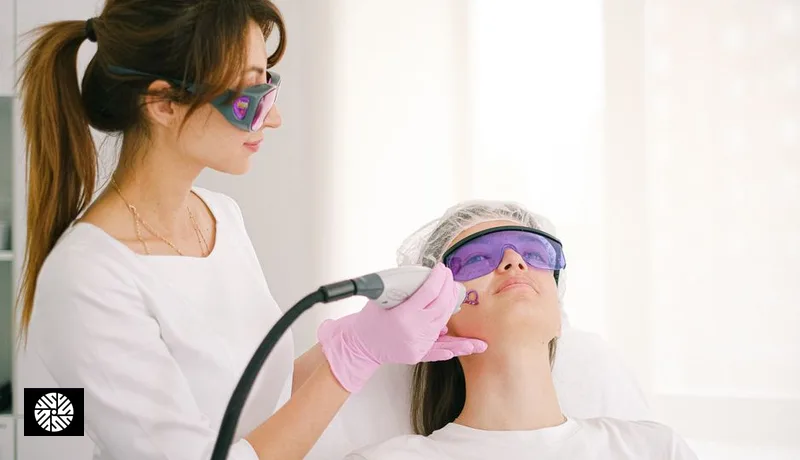
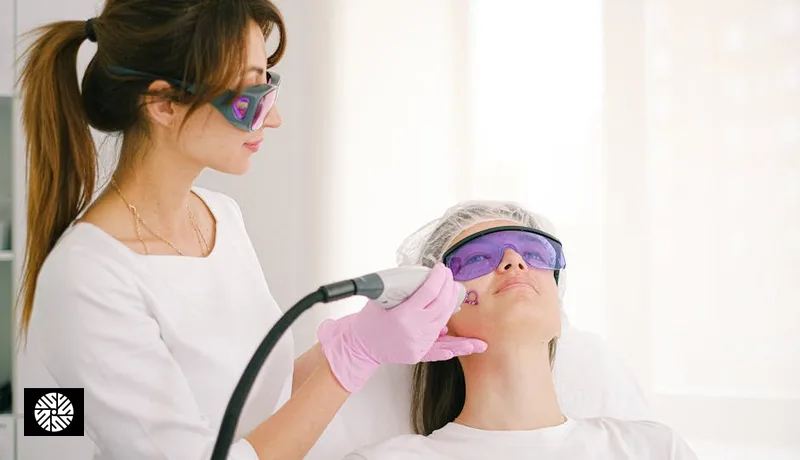
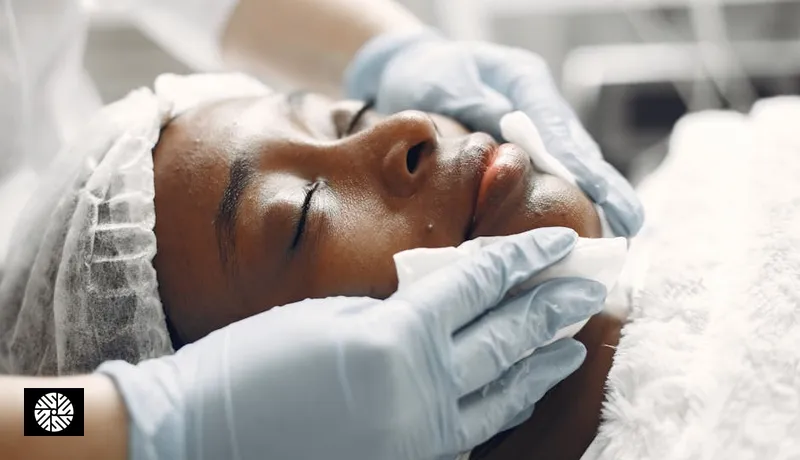
Skin rejuvenation modalities — peels, microneedling, RF microneedling, Hydrafacial
The four pillars all share one core mechanism: controlled injury triggers controlled repair. The skin treats every micro-wound as a signal to ramp up collagen, elastin, and hyaluronic acid synthesis. The differences lie in how the injury is delivered and how deep it goes.
- Chemical peels — acids dissolve the outer skin layers (or deeper), forcing renewal.
- Traditional microneedling — fine needles puncture the epidermis and upper dermis to trigger wound healing.
- RF microneedling — needles deliver radiofrequency heat directly into the dermis, combining mechanical trauma with thermal collagen contraction.
- Hydrafacial — vortex hydradermabrasion exfoliates and infuses serums; the gentlest of the four, with no real "injury" component.
Pick by your concern, your tolerance for downtime, and how many days you have left in Taiwan before your flight home. We will walk through each in detail.
Chemical peels — superficial / medium / deep
Chemical peels are the oldest tool in the resurfacing kit, and they have aged remarkably well. Modern Taiwanese clinics still use peels heavily because they are cheap, effective, and predictable — particularly the lighter formulations.
Superficial peels (lunch break, no flaking)
These work on the stratum corneum and upper epidermis only. The most common agents:
- Glycolic acid 20–70% — alpha hydroxy acid, brightening, surface texture, mild pigmentation.
- Salicylic acid 20–30% — beta hydroxy acid, oil-soluble, ideal for acne, blackheads, congested pores.
- Lactic acid — gentlest, hydrating, good for sensitive skin and beginners.
- Mandelic acid — larger molecule, slower penetration, very low irritation — Asian-skin friendly.
Downtime is essentially nothing — a few hours of pinkness, occasional fine flaking on day 2–3. You can put makeup on the same evening.
Medium peels (5–7 day peel)
- TCA (Trichloroacetic acid) 15–35% — the workhorse for moderate pigmentation, fine lines, and shallow acne scars.
- Jessner solution (resorcinol + lactic + salicylic) — often used as a primer before TCA to deepen and even penetration.
Expect a frost during the procedure, then bronzing on day 2–3, sheet peeling day 3–5, and pink fresh skin by day 6–7. Strict sun avoidance is essential — Asian skin is particularly prone to post-inflammatory hyperpigmentation (PIH) if exposed too early.
Deep peels (rare in 2026)
The classic Baker-Gordon phenol peel delivers dramatic results — but with 2–3 weeks of recovery, cardiac monitoring during the procedure, and permanent loss of melanocyte function (the skin literally cannot tan again). Modern clinics in Taiwan rarely use phenol; fractional CO2 laser and RF microneedling now achieve similar results with much better safety profiles.
Microneedling traditional — Dermaroller, Skinpen, Dermapen
Traditional microneedling is collagen induction therapy in its purest form. Tiny needles (0.25–2.5 mm depending on the area) puncture the dermis, triggering the wound healing cascade — without removing or burning tissue. The result, over a series, is firmer, smoother, more luminous skin with faded scars.
The three main delivery devices in Taiwanese clinics:
- Dermaroller — manual rolling drum, less common in clinics now (more popular as an at-home tool, though we strongly suggest you don't).
- SkinPen (Bellus Medical) — FDA-cleared motorized pen, the most studied microneedling device.
- Dermapen — Korean-origin motorized pen, ubiquitous in Taipei aesthetic clinics, often paired with serum infusions (growth factors, exosomes, hyaluronic acid).
What it treats well: shallow acne scars, fine lines, enlarged pores, stretch marks, mild pigmentation, overall skin texture and glow. Series of 4–6 sessions monthly is typical for a meaningful result. Single sessions give a glow but won't remodel scars.
Downtime: redness like mild sunburn for 24–48 hours, occasional pinpoint scabbing for 2–3 days. Makeup is generally OK from day 2.
Radiofrequency microneedling — Genius, Morpheus8, Sylfirm, Vivace
RF microneedling is the 2024–26 gold standard for resurfacing in Asia. By combining needle penetration with radiofrequency energy delivered at the needle tips, RF microneedling produces controlled thermal coagulation zones at specific depths in the dermis — without burning the surface. The mechanical injury plus the heat together trigger far more collagen and elastin remodeling than needles alone.
The leading platforms in Taiwan:
- Genius RF (Lutronic) — Korean device, very precise depth control (0.5–3.5 mm), insulated needles, intelligent feedback. The clinic favorite for fine lines and acne scarring.
- Morpheus8 (InMode) — global brand made famous by celebrity dermatologists in the US; goes deep (up to 8 mm with the Morpheus8 Body tip), strong on lower-face contouring and submental laxity.
- Sylfirm X (Viol) — Korean device unique in offering both pulsed wave and continuous wave RF; strong on melasma and rosacea where heat must be carefully limited.
- Vivace — combines RF microneedling with simultaneous LED therapy.
- Secret Pro / Secret RF (Cutera) — popular in upscale Taipei clinics, often bundled with fractional laser in the same platform.
What it treats: moderate–severe acne scars, stretch marks, loose skin (jowls, neck, abdomen), enlarged pores, deeper wrinkles. RF microneedling is one of the few non-surgical tools that can produce visible tightening alongside resurfacing.
Downtime: 3–5 days of pinkness, mild swelling, tiny grid-like marks that fade by day 4. This is the key planning constraint for travelers.
Hydrafacial — the lunch-break treatment
Hydrafacial is a patented hydradermabrasion device that uses a vortex tip to do four things in sequence: cleanse and peel, extract impurities under suction, infuse hydrating and antioxidant serums, and finish with LED or peptide therapy. It is the only treatment in this guide with effectively zero downtime — you walk out glowing and can go to dinner that night.
Realistic expectations: a Hydrafacial gives you immediate radiance, smoother feel, decongested pores, and a more even-looking complexion for about 2–4 weeks. It will not erase pigmentation, lift skin, or rebuild collagen at depth. Think of it as the world's best facial — not a transformative treatment.
Where it shines:
- The day before a wedding, photo shoot, or important event.
- Travelers with one free afternoon and no recovery time available.
- Monthly maintenance between deeper treatments.
- Preparing skin for an upcoming peel, microneedling, or laser series.
The "Premium" or "Deluxe" variants add LED, lymphatic drainage, or boosters — worth it if you want the full 60–75 minutes; the basic 30-minute version is honestly enough for most people.
Combination protocols — laser + microneedling, RF + Sculptra
Where Taiwanese clinics genuinely excel is in stacked protocols — sequenced combinations that hit different layers of the skin in a single visit, or across a planned series. A skilled doctor will customize, but here are the common synergistic stacks worth knowing:
| Protocol | Best For | Why It Works |
|---|---|---|
| Fractional CO2 + RF microneedling | Severe acne scarring | CO2 resurfaces; RF rebuilds dermis underneath. Done in alternating sessions. |
| Light peel + microneedling (same day) | Glow + texture, mild pigmentation | Peel preps the surface; needles drive collagen response. |
| RF microneedling + Sculptra (Sculptra 2 weeks later) | Mid-face volume loss + skin laxity | RF tightens existing collagen; Sculptra builds new collagen volume. |
| Microneedling + exosomes / PRP | Hair restoration, healing acceleration, glow | Channels created by needles let growth factors penetrate. |
| Pico laser + Hydrafacial | Pigmentation + brightening | Pico breaks pigment; Hydrafacial clears debris and hydrates. |
| RF microneedling + Profhilo / Rejuran | Overall rejuvenation, dehydrated mature skin | RF firms; bio-stimulators rehydrate at the dermal level. |
Indication-specific protocols
Your treatment plan should match your concern, not the marketing of the latest device. Here is how experienced Taiwanese clinicians typically approach the common requests:
- Acne scarring (boxcar, rolling, ice pick): Fractional CO2 + RF microneedling alternating series, 4–6 sessions over 6–9 months. TCA CROSS for ice pick scars. Avoid expecting magic from a single visit.
- Stretch marks (striae): RF microneedling is the leading non-surgical option. 3–5 sessions, 6 weeks apart. Older white stretch marks improve less than newer red/purple ones.
- Loose skin / lifting: RF microneedling, Thermage (volumetric monopolar RF), or Ultherapy (microfocused ultrasound) — choose based on depth needed and tolerance for sensation. We cover these in detail in our thread lifts and anti-aging guide.
- Glow / radiance: Hydrafacial monthly, plus a series of light glycolic or mandelic peels. The single highest ratio of effect to downtime in this entire field.
- Pore refinement: Salicylic acid peels for oily congested skin; RF microneedling for textural pore enlargement. Pico Toning helps too.
- Melasma: Conservative — Sylfirm X, gentle peels, strict sun avoidance, and topical Tri-Luma. Aggressive lasers can worsen melasma in Asian skin.
Asian skin specifics — PIH risk, gentler protocols
Fitzpatrick III–IV skin (typical for East Asian patients, but also relevant for travelers from South Asia, the Middle East, Latin America) carries a higher risk of post-inflammatory hyperpigmentation than lighter skin. PIH is the brown stain that appears after an aggressive treatment, sometimes lasting months.
This is why Taiwanese protocols are often gentler than what you might see in North American or European clinics — clinicians here have decades of experience tailoring energy, depth, and acid concentration to skin that bruises with a different chemistry. Expect:
- Lower starting fluences, longer treatment series rather than fewer aggressive ones.
- Pre-treatment with hydroquinone or kojic acid for 2–4 weeks before any deep resurfacing.
- Strict sun avoidance — real avoidance, not "I'll wear a hat."
- Mandelic over glycolic for first-time peels.
- Sylfirm X over Morpheus8 for patients prone to melasma.
Read our guide to Taiwan medical beauty and skin-treatment consultation checklist for the credentials, device details, risks, and follow-up information to verify before booking.
Taiwan pricing — per session and full series
Prices below are typical 2026 ranges in Taipei mid-tier and premium clinics, in NT dollars. Premium central-Taipei clinics with English-speaking staff and brand-name devices will be at the upper end of each range; suburban clinics significantly cheaper. Why Taiwan is competitive goes into the structural reasons.
| Treatment | Per Session (NT$) | Recovery | Series | What It Treats |
|---|---|---|---|---|
| Hydrafacial (basic) | 3,000 – 5,000 | None | Monthly | Glow, congestion, maintenance |
| Light peel (mandelic / glycolic) | 3,000 – 5,000 | 1–2 days pink | 3–6 sessions | Texture, mild pigmentation, dullness |
| Medium TCA peel | 8,000 – 15,000 | 5–7 days peeling | 2–4 sessions | Pigmentation, fine lines, shallow scars |
| Microneedling (Dermapen / SkinPen) | 5,000 – 10,000 | 2–3 days | 4–6 sessions | Scars, pores, fine lines, glow |
| Microneedling + PRP / exosomes | 8,000 – 15,000 | 2–3 days | 4–6 sessions | Enhanced healing, hair, glow |
| RF microneedling (Sylfirm X / Vivace) | 15,000 – 25,000 | 3–5 days | 3–4 sessions | Scars, laxity, melasma-safe |
| Genius RF / Morpheus8 (full face) | 25,000 – 40,000 | 3–5 days | 3 sessions every 4–6 weeks | Acne scarring, lifting, deep wrinkles |
A full RF microneedling series for moderate acne scarring runs around NT$80,000–120,000 all-in. The same protocol in the US easily exceeds USD 8,000–12,000.
Travel-trip planning — Hydrafacial = same-day-social, RF microneedling = 3–5 day recovery
Here is the planning logic for travelers, in plain English:
- Same-day social plans: Hydrafacial only. Done.
- 1–2 day buffer to your flight or event: Light peel (mandelic / glycolic), single microneedling session.
- 3–5 day buffer: RF microneedling, medium TCA peel, deeper microneedling with PRP.
- 7+ day buffer or returning home: Fractional CO2, deep peels, combination protocols.
For a typical 7-day trip, a sensible itinerary looks like: arrival day, consultation + Hydrafacial day 2, RF microneedling day 3, gentle recovery day 4–5, light Hydrafacial polish day 6, departure day 7. You go home glowing, with a meaningful collagen-induction process underway, and no visible reason to explain at customs why you booked a "wellness retreat."
Pre-treatment basics across the board: pause retinoids 5–7 days before any peel or microneedling, no waxing on the area for a week, avoid sun for at least a week pre-treatment. Post-treatment: religious sunscreen (SPF 50+, reapplied), Vitamin C antioxidant serum from day 3 onward, no exfoliating acids or retinoids for 5–7 days, no hot showers / saunas / pools for 48 hours.
Browse our medical beauty services or connect with vetted Taiwan dermatologists to start planning. The single best decision you can make is to book a 30-minute consultation first — these treatments work best when matched to your skin, not to a brochure.
Sources & Further Reading
- American Academy of Dermatology (AAD)
- American Society for Dermatologic Surgery
- American Society of Plastic Surgeons — cosmetic procedures
- FDA — Aesthetic & cosmetic device regulation
- Cynosure — Picosure Pro device information
- Solta — Thermage FLX device information
Frequently asked
What is the best treatment for acne scarring?
For moderate to severe acne scarring (boxcar, rolling, ice pick), the gold standard is RF microneedling — Genius RF or Morpheus8 — alternating with fractional CO2 laser sessions over 4–6 visits across 6–9 months. TCA CROSS targets ice pick scars individually. A single session will not transform scarring; commit to a series and pair with strict sun protection and topical retinoids between visits.
RF microneedling vs Thermage — which is right for me?
They solve different problems. Thermage uses bulk monopolar radiofrequency to heat broad volumes of dermis — best for general skin tightening and lifting with no downtime. RF microneedling delivers heat at precise needle-tip depths, also resurfacing the skin and triggering collagen induction — best for acne scarring, stretch marks, deeper wrinkles, and pore refinement, with 3–5 days of downtime. If your concern is purely laxity, Thermage. If you also want texture and resurfacing, RF microneedling.
Is a Hydrafacial really worth it, or is it just a fancy facial?
Honestly, it is partly a fancy facial — but it is a very good one. Hydrafacial gives genuine 2–4 weeks of improved radiance, smoother texture, decongested pores, and well-hydrated skin, with absolutely zero downtime. It will not fix pigmentation, lift skin, or rebuild collagen at depth — those need lasers, peels, or RF. Think of Hydrafacial as the best maintenance treatment between deeper protocols, or a perfect choice for travelers with one free afternoon and an event tonight.
Which peel is travel-friendly?
Light peels — mandelic, lactic, low-strength glycolic, or salicylic — are very travel-friendly. You will be slightly pink for a few hours, and you can put on makeup that evening. Medium peels (TCA 15–35%) cause visible bronzing and sheet peeling for 5–7 days, so only book one if you have at least a week of buffer or you are heading home. Deep phenol peels are essentially never appropriate during a trip.
How should I plan a treatment series for a 7-day trip to Taiwan?
A sensible 7-day plan: day 1 arrival, day 2 consultation + Hydrafacial, day 3 RF microneedling or medium peel, days 4–5 gentle recovery (sightseeing in shade with strong SPF), day 6 light Hydrafacial polish or relaxed activities, day 7 departure. You finish glowing, with a meaningful collagen-induction process underway, and no visible recovery on the flight home.
Why do Taiwanese clinics use gentler protocols than what I see in the US?
Asian skin (Fitzpatrick III–IV and darker) carries a higher risk of post-inflammatory hyperpigmentation (PIH) than lighter skin. Taiwanese clinicians have decades of experience tailoring energy, depth, and acid concentration accordingly — preferring longer series of moderate sessions over fewer aggressive ones. They also commonly pre-treat with topical hydroquinone or kojic acid before deeper resurfacing, and prioritize devices like Sylfirm X for melasma-prone patients. The result is safer, slower, but very predictable progress.
How important is sun protection after these treatments?
It is the single biggest determinant of whether your treatment results last or backfire into PIH. After any peel, microneedling, RF microneedling, or laser, your skin is significantly more sensitive to UV. Use a broad-spectrum SPF 50+ sunscreen, reapply every 2 hours when outdoors, wear a wide-brim hat, and avoid direct sun for at least 2 weeks. Taiwan is sunny and humid year-round — this is non-negotiable. Many clinics will provide a recommended post-treatment sunscreen on the way out the door.