What is a stroke?
A stroke is brain injury caused by a sudden problem with blood flow. In US figures (CDC), about 87% are ischemic, meaning a clot blocks an artery feeding the brain. The rest are hemorrhagic, where a vessel bleeds.
The risk usually builds quietly for years, through high blood pressure, an irregular heartbeat or damaged arteries. The stroke itself is sudden. Fast treatment can limit the damage, which is why the minutes after symptoms start matter so much.
What raises your risk of stroke?
In INTERSTROKE, a study across 32 countries, ten modifiable risk factors together accounted for about 90% of stroke risk. High blood pressure was the largest single one.
| Risk factor | What can be done about it |
|---|---|
| High blood pressure | The largest driver, and among the most treatable — medication and lifestyle both help |
| Atrial fibrillation | An irregular heartbeat that lets clots form in the heart; blood-thinning medication lowers the risk |
| Smoking | Damages vessel walls and speeds up plaque; stopping lowers the risk |
| Diabetes and cholesterol | Both manageable with medication and lifestyle change |
| Narrowed neck arteries | Treated with medication; a procedure is considered for some severe narrowings |
| Age and family history | Cannot be changed — which raises the value of controlling everything above |
How stroke risk is checked
Most of the useful checks are simple measurements, not scans. The guideline positions below are from the US Preventive Services Task Force:
| Check | What it finds | When it is used |
|---|---|---|
| Blood pressure | High blood pressure, the largest treatable risk | Recommended for all adults from 18 (US) |
| Bloodwork | Cholesterol and blood sugar | Part of routine risk assessment |
| Pulse check or ECG | An irregular heartbeat such as atrial fibrillation | Evidence is insufficient to screen adults aged 50 and older without symptoms (US) |
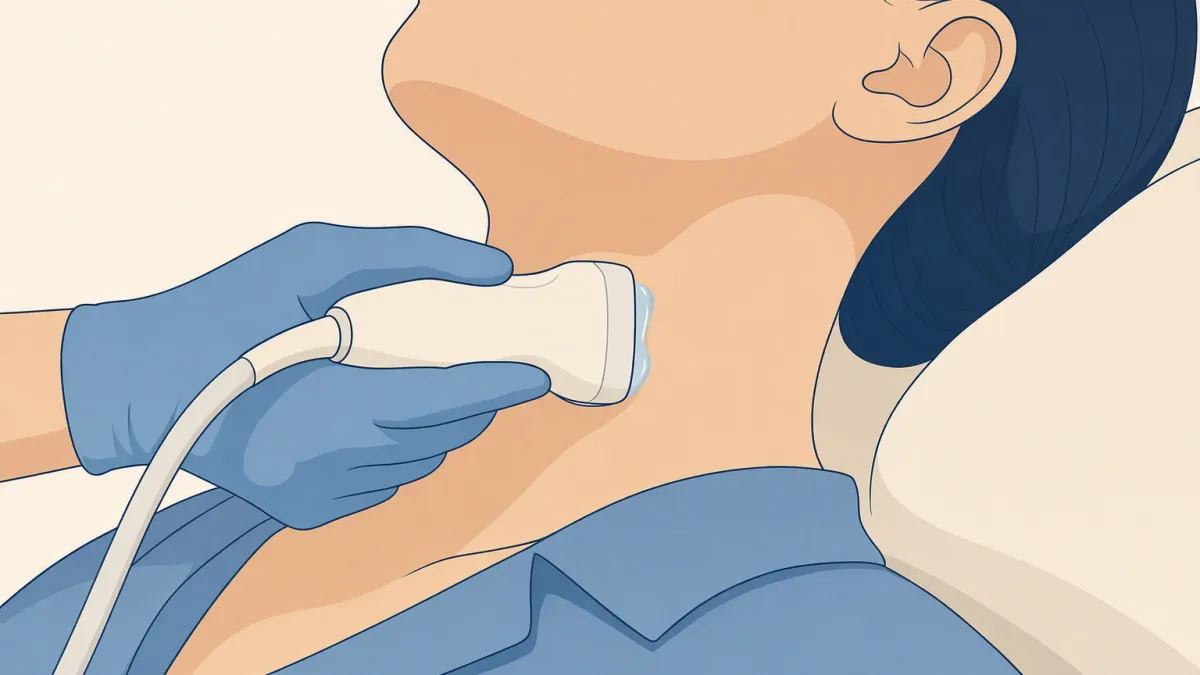
| Carotid ultrasound | Plaque and narrowing in the neck arteries | For symptoms or selected cases; recommended against as routine screening (US) |
| Brain MR angiogram | Aneurysms and narrowed vessels inside the head | For symptoms or specific higher-risk situations |
What to do now
- Sudden symptoms: call 119 in Taiwan, as in the box above. Do not wait for an appointment.
- Stroke symptoms that went away (a possible mini-stroke, or TIA): get emergency assessment the same day, even if you feel fine now.
- A racing, irregular pulse: see a doctor soon. It needs assessment, not a screening package.
- No symptoms: know your blood pressure, cholesterol and blood sugar, and ask whether an irregular heartbeat has ever been recorded.
New Dawn Health offers carotid ultrasound and brain MRA, but neither is a routine stroke screen. Whether one is worth doing for you is a question for a physician who knows your history. The screening wiki explains what each exam can and cannot show.