Blog
Blog
Best Instagram Spots in Taiwan – From Taipei 101 to Hidden Gems

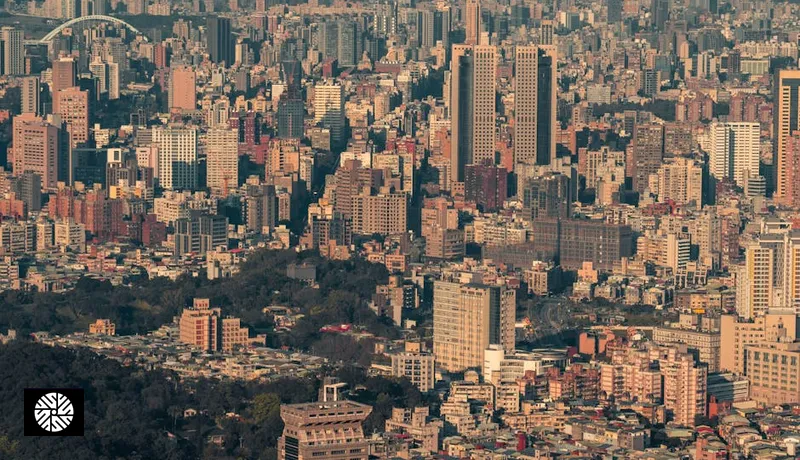
Taiwan packs an outrageous amount of visual variety into a small island. Neon-lit night markets, marble gorges, terraced tea fields, lantern-strung mountain villages, turquoise bays, and a few of the most photogenic temples in Asia — all reachable inside one trip. This guide is a working photographer's and content creator's shot list, organized by region, with timing notes and seasonal windows so you can plan a route instead of guessing. We've also added a section near the end for visitors combining a health screening with travel — short photo walks that fit a recovery day and don't blow up your itinerary.
Taipei iconic — Taipei 101, Elephant Mountain, Bao'an at golden hour
If you only have a day in the capital, these are the non-negotiable shots. They cover the postcard view, the hidden city skyline angle, and the spiritual side of Taipei in a single afternoon-to-evening loop.
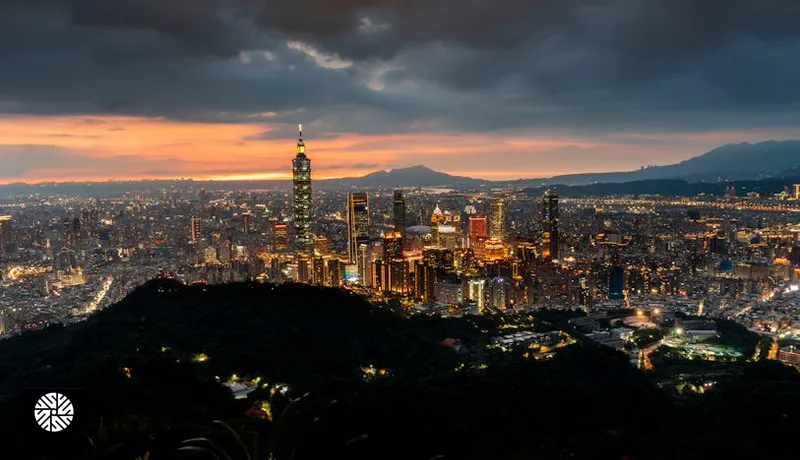
Taipei 101 Observatory (89F + 91F outdoor): The 89th-floor indoor deck has glass-to-floor windows; the 91st-floor outdoor deck (weather permitting) is the one to chase for unobstructed shots. Tickets run NT$600 (around US$19) for adults and the deck is open 10:00–22:00 daily. Go on a clear day for layered mountain views, or arrive 30 minutes before sunset to catch golden hour transitioning to blue hour over the Taipei basin — that's the best skyline photo of your trip.
Elephant Mountain (Xiangshan): Free, twenty minutes from Taipei 101 MRT station. The trail is steep stone steps but short. Aim for the "Six Giant Rocks" platform — the iconic shot of Taipei 101 framed from above. Get there an hour before sunset on weekdays to claim a rock; weekends are mobbed. Bring a small tripod if you can — the night skyline shot is worth it.
Bao'an Temple (Dalongdong): A UNESCO Asia-Pacific Heritage Award winner and one of the most photogenic temples in Taipei. The interior has incredible ceiling work and dragon columns. Golden hour light through the courtyard is magic, and incense smoke gives the shot atmosphere. Tripods discouraged inside; shoot handheld, respectful, and quiet.
Longshan Temple (Wanhua): Older and more crowded than Bao'an. The incense-haze shot from the back of the main hall, with worshippers in the foreground, is the classic Taipei temple frame. Best at dusk when the lanterns light up.
Da'an Park lily pads (lotus season): June through August, the lotus pond fills with pink and white blooms. Shoot early morning when the petals are open and dew is still on the leaves — by 10am the light gets harsh.
Hidden Taipei — Treasure Hill, Ximending neon, Maokong gondola
These are the spots locals send their out-of-town photographer friends to. You'll see fewer tour groups and get more original frames.
Treasure Hill (Baozangyan, 寶藏巖): A former illegal-settlement-turned-artist village stacked on a hillside next to the Xindian River. Free to wander, open daily. Murals, weird sculpture, narrow alleyways, and a viewing terrace over the river. Best at late afternoon when the light hits the painted walls.
Ximending neon: Taipei's Shibuya. The "Ximending" gateway sign and the rain-slicked streets after a typical evening shower are pure cyberpunk. Shoot from a low angle for the neon canyon effect. Best after 19:00 when the signs all switch on.
Raohe Night Market entrance: The arched gate next to Ciyou Temple is the iconic frame — pull a 35mm or wider, stand across the road, and catch the gate with the temple lit behind it. Steam from the food stalls adds atmosphere. Open 17:00 to midnight.
Maokong Gondola + tea plantations: A 4km cable car (some cabins have glass floors) lifts you above the Muzha tea fields. Shoot the cabin shadow on the green slopes mid-ride; at the top, walk the tea trails for terrace shots. Closed Mondays.
Shifen waterfall + sky lanterns: 1.5 hours east of Taipei by train. The waterfall is wide and powerful — a "mini Niagara." Walk back along the railway tracks at Shifen Old Street for the lantern release shot (lanterns cost NT$200–400 depending on color count).
Jiufen at golden hour: The lantern-lined A-Mei Tea House staircase is the shot Studio Ghibli supposedly drew on for Spirited Away. Best between 16:30 and 18:00 when lanterns switch on but there's still ambient sky light. Arrive by 14:00 to scout angles before the crush.
North Taiwan — Yehliu, Jiufen, Pingxi, Yangmingshan
Day trips from Taipei. Each has a clean photo logic and a transit option that doesn't require a rental car.
Yehliu Geopark: The famous Queen's Head rock formation (a 4,000-year-old hoodoo) is the postcard shot, but it's also the most crowded. Walk past it and shoot the lesser-known sea-eroded formations on the far side of the cape. Open 08:00–17:00, NT$120. Dramatic light is overcast — fog adds mood, harsh sun flattens the rocks.
Jiufen sea views: Beyond the Old Street, walk the upper paths around Shengping Theater for unobstructed ocean shots. Sunset over the East China Sea from the Jiufen ridge is one of Taiwan's underrated photographs.
Pingxi sky lanterns: The full Lantern Festival happens on the 15th day of Lunar New Year — in 2026 that's March 3, in 2027 it's February 21. Mass releases at Pingxi and Shifen draw thousands. If you can't time the festival, you can release a personal lantern almost any night of the year. Shoot at 1/30 sec, ISO 1600 to keep the lantern glow without motion blur.
Yangmingshan: The flagship national park north of Taipei. Cherry blossoms peak mid-February to mid-March (Pingjing Street and Tianyuan Temple are the showstoppers); calla lilies April–May around Zhuzihu; hydrangeas late May–June. Bring a polarizer for the flower colors.
Beitou hot spring district: Old wooden Japanese-era bathhouses, a public bathhouse museum, and the steaming Geothermal Valley ("Hell Valley"). Wisps of sulfur steam at golden hour over the wood architecture is a quietly stunning frame.
Daxi Old Street (Taoyuan): Baroque-style facades from the Japanese colonial era. About an hour southwest of Taipei. Less touristed than Jiufen — go for cleaner architectural shots.
Central Taiwan — Sun Moon Lake + Cingjing Farm + Rainbow Village
Worth at least one overnight. The HSR to Taichung gets you central in 70 minutes from Taipei.
Sun Moon Lake (Wenwu Temple, Ita Thao, Ci'en Pagoda): Wenwu Temple's red-roofed pavilions over the lake make for the classic frame. The Ita Thao pier at sunset gets the warmest light. Hike up to Ci'en Pagoda for the full lake panorama. Sunrise from the lakeside in mist is the trip-defining shot — set an alarm for 04:30.
Cingjing Farm: 1,750m elevation, often above the cloud layer. Sheep grazing on green slopes with cumulus rolling below is a frame you won't get anywhere else in the lowlands. The sheep show runs daily at 09:30 and 14:30. Best light is early morning before the clouds burn off.
Alishan Forest Railway: Sunrise from Zhushan (Celebration Mountain) over the cloud sea is one of Asia's iconic photographs. The forest railway departs Alishan Station at 04:30 in summer / 05:30 in winter. Stay overnight at Alishan to catch it; the journey alone — through giant cypress forest — is worth a frame at every stop.
Rainbow Village (Taichung): Hand-painted by Mr. Huang Yung-fu, who started painting his veterans' housing in his 80s to save it from demolition. He passed in 2024 at 101. The village is preserved as a cultural site. Free entry, small but vivid; shoot tight on the painted faces and figures.
East Taiwan — Taroko + Hualien + Qixingtan
The east coast is Taiwan's wild side. Important update: the April 2024 Hualien earthquake (magnitude 7.4) caused significant damage to Taroko Gorge. Many trails and the Eternal Spring Shrine area have remained closed or partially restricted through 2025–2026. Before you plan, check the Taroko National Park website for current trail status — sections reopen in phases.
Eternal Spring Shrine: A small white pavilion with a waterfall flowing beneath it, set into a cliff. When open, this is one of the most photographed sites in Taiwan. Shoot from the trail viewpoint across the gorge — a 70–200mm lens compresses the cliff drama.
Swallow Grotto (Yanzikou): Sheer marble cliffs and a narrow road carved into them. Look for the tiny swallow nests in the upper cliff faces. Helmets required (provided at the trailhead). Best in soft overcast light to avoid blown-out marble highlights.
Qingshui Cliffs: A 21km stretch where 1,000m cliffs drop straight into the Pacific. The Huide Trail viewpoint and the Suhua Highway pullouts are the spots. Best mid-morning when sun lights the cliff face. A drone gets the definitive shot — but check current restrictions (see FAQ below).
Hualien Qixingtan beach: A 4km arc of dark gray pebble beach with the Central Mountain Range as a backdrop. Sunrise here is gentle pastel light over driftwood. Open all night; arrive 30 minutes before sunrise for blue hour.
Yilan: On the way back to Taipei. Lanyang Museum's slanted concrete wedge against the rice paddies is a striking architectural frame. Jiaoxi hot springs town has good evening street photography.
South Taiwan — Tainan + Kaohsiung Pier-2 + Kenting
HSR makes the south reachable for a day trip from Taipei (90 minutes to Tainan, 105 to Kaohsiung), though two nights is more comfortable.
Tainan Hayashi Department Store: A 1932 Showa-era department store, restored. Six floors of preserved Japanese-era retail architecture, with a small Shinto shrine on the rooftop. The art deco elevator is a clean tight shot; the rooftop shrine at golden hour is the cover.
Anping Fort: Built by the Dutch in 1624, expanded under Koxinga, layered through Qing and Japanese eras. The brick walls swallowed by banyan tree roots at nearby Anping Tree House are the more photogenic frame.
Beimen Salt Field: Geometric white salt mounds and shallow evaporation pans north of Tainan. Sunset turns the brine pink. About an hour from central Tainan — rent a scooter or get a taxi.
Kaohsiung Pier-2 Art Center: Old harbor warehouses turned creative district. Murals, sculpture, container art, light rail running through it. Shoot at blue hour when the Love River reflects the lights.
Kenting beaches: Taiwan's southern tip. Baishawan (Kenting) is the white-sand beach featured in Life of Pi; Eluanbi Lighthouse marks the southernmost point. Summer (June–September) is best for swimwear/lifestyle shots; expect typhoons July–September.
Outer islands — Penghu, Green Island, Orchid Island
Fly-in destinations. Worth the extra leg if you have 7+ days.
Penghu (Twin-Heart Stone Weir): A 700-year-old fish-trap built from coral and basalt, shaped like two interlocking hearts. Visible at low tide. Drone shot is essential to read the shape; ground-level shots show context. Fly Taipei or Kaohsiung to Magong Airport (about 50 min). Best May–September; ferries cancel often in winter.
Green Island (Lyudao): Volcanic island off Taitung. The Zhaori Saltwater Hot Spring is one of three saltwater hot springs in the world; the snorkeling reefs are vivid. Fly Taitung or take the ferry from Fugang Harbor.
Orchid Island (Lanyu): Home to the Tao indigenous people. Traditional plank canoes (tatala) on black-sand beaches are the iconic frame. Important: photographing people, ceremonies, or the underground houses without explicit permission is deeply disrespectful here. Always ask. Don't photograph children. Don't post anything that identifies sacred sites. Treat Lanyu as you would any indigenous community — a guest, not a tourist.
Best light — golden hour, blue hour, sunrise spots by location
Light is the difference between a snapshot and a frame. Here's a working photographer's calendar of where to be when.
| Region | Top photo spots | Best light |
|---|---|---|
| North (Taipei + day trips) | Taipei 101, Elephant Mountain, Jiufen, Yangmingshan, Pingxi | Blue hour skylines, golden-hour mountain villages |
| Central | Sun Moon Lake, Cingjing Farm, Alishan, Rainbow Village | Sunrise cloud seas, midday alpine |
| East | Taroko, Qingshui Cliffs, Qixingtan, Yilan | Soft overcast for marble; sunrise at the beach |
| South | Hayashi Tainan, Anping, Pier-2, Kenting, Beimen Salt Field | Sunset over salt pans; blue hour over harbor |
| Islands | Penghu Twin-Heart, Green Island, Orchid Island | Low-tide aerial; warm afternoon coastline |
Sunrise spots worth the alarm: Alishan Zhushan (cloud sea), Sun Moon Lake (Xiangshan Visitor Center pier), Qixingtan beach (Hualien), Eluanbi Lighthouse (Kenting), Hehuanshan (Cingjing road, 3,275m).
Blue-hour Taipei skyline: The 20–25 minute window after sunset where the sky is still blue but city lights have turned on. From Elephant Mountain, this is the most dramatic version of the city. Set up 30 minutes before sunset; don't pack up at sunset — the best shot is right after.
Seasonal calendar — cherry blossom, calla lily, autumn maple, lantern festival
Time the trip for what you want to shoot.
| Season | Spot | Why |
|---|---|---|
| Mid-Feb to mid-Mar | Yangmingshan, Alishan, Wuling Farm | Cherry blossom peak (sakura) |
| Lunar Day 15 (Feb–Mar) | Pingxi, Shifen | Lantern Festival mass release |
| Apr–May | Yangmingshan Zhuzihu | Calla lily fields |
| Jun–Aug | Da'an Park, Kenting, Penghu | Lotus blooms; beach + island weather |
| Oct–Nov | Cingjing, Alishan, Aowanda | Autumn maple and oak color |
| Dec–Feb | Beitou, Jiaoxi, Yangmingshan | Hot spring season; clearest air for skylines |
For screening-trip travelers — short photo walks during recovery
If you're combining travel with a health screening at New Dawn Health, you'll typically have a half-day or full day of light recovery between procedures. Don't waste it sitting in the hotel — but don't push it either. These are short, gentle photo walks that fit a recovery window:
- Beitou old hot spring district (30 min walk): Flat path along the geothermal stream, cypress and pine shade, wooden bathhouse architecture. Take the Xinbeitou MRT, walk Zhongshan Road to Plum Garden and back. Stop at Hell Valley for the steam shot. Total elevation gain: minimal.
- Da'an Park loop (45 min): Flat, paved, central Taipei. Lotus pond, ecological pond, koi. Mid-morning light through the bamboo grove is calm and easy.
- Sun Yat-sen Memorial Hall to Taipei 101 (20 min walk): Wide plaza, the Taipei 101 framing shot from the memorial steps, hourly guard-changing ceremony at :00.
- Yangmingshan day trip (low-effort version): If you have a calmer day, the Zhuzihu calla lily fields (April–May) or Qingtiangang grasslands are reachable by Bus S15 or 108 with minimal walking. Skip the steeper trails.
- Maokong Gondola + tea house (mostly seated): Cable car up, sit at a tea house with a view, cable car down. Almost no walking required, gorgeous frames.
Always confirm with your care team what's safe given your specific procedure. Hot springs and saunas, in particular, are off-limits for several days after most screening procedures and any minor intervention.
Equipment-light tips
- Phone is fine: Modern phones handle Taiwan's mixed lighting (neon, mist, golden hour) extremely well. Shoot in RAW/ProRAW if available; expose for highlights.
- Polarizer for nature: A clip-on polarizer for your phone (~US$15) cuts haze on Sun Moon Lake, deepens blossom colors at Yangmingshan, and tames glare on marble at Taroko.
- Tiny tripod for blue hour: A pocket tripod (Joby GorillaPod or similar) is the difference between a shaky Taipei 101 shot and a sharp one. Most observation decks allow small tripods on the indoor deck.
- Backup battery: Cold-air days at Alishan and Hehuanshan drain phone batteries fast. Carry a 10,000mAh power bank.
- Respect the rules: No photography inside many temple inner sanctuaries. No drones in national parks without permits. Always ask before photographing people, especially in indigenous communities and at religious ceremonies.
Putting it together — a working route
A solid 7-day photographer's loop: Day 1–2 Taipei iconic + hidden (Taipei 101, Elephant Mountain, Bao'an, Treasure Hill, Ximending, Raohe). Day 3 North day trip (Yehliu → Jiufen → Shifen). Day 4–5 HSR south to Taichung, drive Sun Moon Lake → Cingjing → Alishan sunrise. Day 6 Train to Hualien for Taroko (check current openings) and Qixingtan sunrise. Day 7 Back to Taipei via the east coast. Add an outer-island leg if you have 10+ days.
For more route logic, see our first-timer Taipei guide, the natural spots deep dive, and the temples and landmarks guide. Travel intel on entry, weather, and timing comes from the Taiwan Tourism Administration; current Taroko and national park status from the Taroko National Park Headquarters.
Whether you're shooting for an Instagram grid, a YouTube travel vlog, or just a phone roll to look back on, Taiwan rewards photographers who plan the light. Show up at the right time of day, in the right season, and the island does most of the work.
Sources & Further Reading
FAQ
Elephant Mountain (Xiangshan) for the iconic Taipei 101 skyline frame. It is free, a 20-minute uphill walk from Xiangshan MRT, and best at golden hour into blue hour. For a less crowded alternative, Bao'an Temple's courtyard during late-afternoon light is one of Taipei's most photogenic interior spots.
Mid-February to mid-March. Peak spots are Yangmingshan National Park (Pingjing Street and Tianyuan Temple), Alishan Forest Recreation Area, and Wuling Farm. Bloom timing varies by altitude — lower-elevation spots like Yangmingshan peak earlier; Wuling Farm (1,750m) peaks late February through early March.
The main mass-release Lantern Festival happens on the 15th day of Lunar New Year — March 3 in 2026 and February 21 in 2027. The biggest releases are at Pingxi and Shifen. If you can't time the festival, you can release a personal sky lantern at Shifen Old Street almost any night of the year (NT$200–400 depending on color count).
Drones are regulated under Taiwan's Civil Aviation Act. Recreational drones over 250g must be registered with the CAA. Flying is banned in national parks (including Taroko, Yangmingshan, Yushan, Kenting) without a permit, near airports, over crowds, and in restricted zones. Outer islands like Penghu allow drones in many open areas but always check local rules. When in doubt, do not fly — fines are substantial.
Stay overnight at Alishan (the recreation area, not the foothills). Take the forest railway to Zhushan Station — departures are 04:30 in summer and 05:30 in winter, timed to sunrise. Dress in layers (it can be 5°C even in summer). Bring a tripod and a 24–70mm lens for the cloud-sea shot. Arrive at the platform 20 minutes before sunrise to claim a spot. Cloud cover varies; even partial cloud usually makes the better photo.
From Xinbeitou MRT, walk Zhongshan Road past the Beitou Hot Spring Museum (1913 Japanese-era bathhouse, free entry), continue to Plum Garden, then loop back via Hell Valley (Geothermal Valley) for the steaming sulfur pool. The full loop is about 30 minutes flat walking with constant photo opportunities — wooden bathhouse architecture, cypress shade, geothermal steam. Skip the actual hot spring soak if you're within a few days of a screening procedure; check with your care team first.