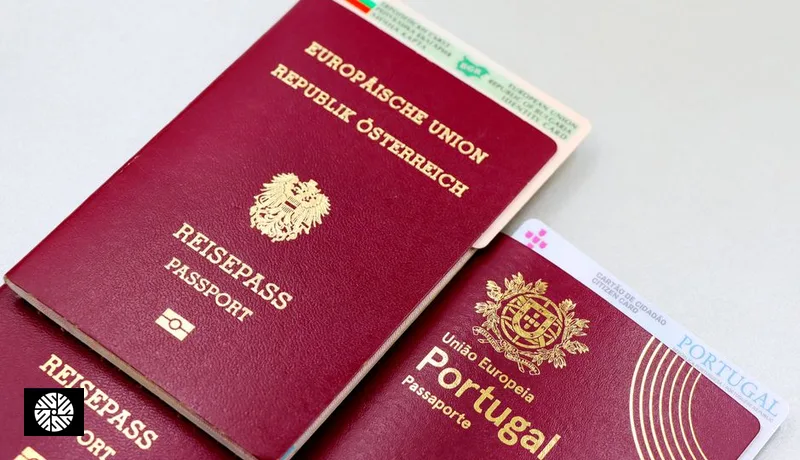

Here's something most travel guides skip entirely: what to do when a women's health issue flares up mid-trip in a country where you don't speak the language and don't have a regular doctor. A urinary tract infection on day three in Taipei. A yeast infection that started on the flight. A condom that broke. A period that's suddenly two weeks late, or one that won't stop. These things don't wait for you to get home — and the good news, which nobody tells you, is that Taiwan handles them quietly, competently, and affordably. The 婦產科 (OB/GYN) system here is excellent. The only genuinely confusing part is the process — and once you've done it once, it's faster than most clinics back home.
This guide walks you through exactly how to get women's health care as a short-term visitor: when a pharmacy is enough, when you need a clinic, when it's an OB/GYN matter, and when to skip all that and go straight to the ER. We'll be direct and practical, because that's what you need when you're not feeling well in an unfamiliar place. For the broader picture of how Taiwanese clinics work for any complaint, our complete guide to seeing a doctor in Taiwan is the pillar piece — this article zooms into women's health specifically.
First Decision: Pharmacy, Clinic, OB/GYN, or ER?
Most of the panic around getting sick abroad comes from not knowing where to go. In Taiwan, the level of care you need maps cleanly onto where you walk in the door.
A pharmacy (藥局, yào jú) is your starting point for the mild, familiar, self-limiting stuff — a yeast infection where you already know the pattern, cramp relief, period products, general guidance. They're everywhere, and many pharmacists speak at least some English. What a pharmacy can't do is fill a prescription you brought from home (Taiwanese pharmacies will not honor foreign prescriptions), or supply prescription-only medication without a local doctor's script. That distinction matters a lot for contraception — more on that below.
A clinic (診所, zhěn suǒ) — a small neighborhood doctor's office — is your workhorse for anything needing a real diagnosis: a UTI that needs antibiotics, a vaginal infection that won't clear, contraception questions, a prescription for emergency contraception, or any recurring or unclear issue. Many districts have a dedicated 婦產科診所 (OB/GYN clinic). Clinics are walk-in, cheap, and fast. No referral is ever required — the single biggest difference from the US or UK. You don't need a GP gatekeeper to see a specialist. You just go.
A hospital OB/GYN department makes sense for more complex issues, when you want a wider range of on-site tests and imaging (ultrasound, fuller lab work), or when you specifically want an English-speaking specialist — larger hospitals concentrate the best English support, though they involve more waiting. If you're weighing a small clinic against a big hospital, our breakdown of Taiwan's hospital tiers, from clinics to medical centers explains the trade-offs.
The emergency room is for the red flags below — and for these you don't wait, you don't book, you go now or call an ambulance:
- Severe pelvic or lower-abdominal pain — especially sudden, sharp, one-sided, or rapidly worsening.
- Heavy vaginal bleeding — soaking a pad an hour, passing large clots, or bleeding with dizziness, fainting, or a racing heart.
- Any pregnancy emergency: bleeding or severe pain during a known or possible pregnancy (this can signal an ectopic pregnancy or miscarriage, both urgent), or sudden severe headache, vision changes, or swelling later in pregnancy.
- High fever with pelvic pain, which can point to a serious infection.
For a pelvic or pregnancy emergency, call 119 for an ambulance — Taiwan's number for fire and medical emergencies. Do not dial 911; it does not work here. If you can travel safely yourself, head to a hospital emergency department directly. Our full guide to using the emergency room in Taiwan covers what to expect and how billing works — worth a skim before you ever need it.
The Process, Step by Step (婦產科 Edition)
Once you've picked a clinic or hospital OB/GYN, the visit follows a rhythm that's the same across almost every facility in Taiwan. It feels alien the first time and obvious the second.
- 1. Register at 掛號 (guà hào). "Guà hào" means registration — the first thing you do, before seeing anyone medical. There's a desk and often a self-service kiosk near the entrance. As a first-timer with no National Health Insurance card, you'll fill a short form with your name as it appears on your passport (your ID here), date of birth, and contact details. Tell them 婦產科 (OB/GYN), or just show the characters on your phone. You'll get a number.
- 2. Take your ticket and watch the call-up board. A digital display shows which number is being seen. It's in Mandarin but fundamentally visual — you're matching digits, not reading sentences. Find a seat where you can see it.
- 3. See the doctor. Consultations are focused and quick. English ability varies enormously — some specialists are fluent, some know little. A translation app is your best friend: type or speak your main symptom in advance so you can show a clean sentence. Doctors here see foreign patients and are used to the language gap.
- 4. Tests happen the same visit, if needed. A urine test for a suspected UTI, a swab, blood work, or an ultrasound is very often done right then, in the same building, with results back quickly — not booked for two weeks out. It keeps the whole thing to one trip.
- 5. Pay AFTER, at 批價 (pī jià). The part that trips up every newcomer: you don't pay before the doctor. Afterward, take your paperwork to the 批價 billing counter and settle up. Without NHI you'll be paying out of pocket (自費, zì fèi, "self-pay") — bring a card and some cash; small clinics may prefer cash.
- 6. Collect meds at 領藥 (lǐng yào). If you were prescribed anything, you don't go to an outside pharmacy — you collect it at the 領藥 dispensing window, usually right beside the cashier.
The whole loop frequently wraps up in an hour or two at a clinic. If that sequence still feels hazy, our guide to seeing a doctor in Taiwan has the universal version in more detail. The choreography is identical for OB/GYN; only the department name changes.
What's Realistically Available Without a Regular Local Doctor
You might worry that without an established Taiwanese doctor you'll be turned away. You won't — walk-in, self-pay care is the norm, built for one-off patients. Here's the honest landscape for the most common concerns.
Urinary tract infections (UTIs). Extremely common when you're traveling, dehydrated, and off your routine. A mild UTI that's just started — urgency, stinging — is worth a clinic visit for a urine test and, if confirmed, the right antibiotics. Don't tough it out for days: an untreated UTI can climb to the kidneys, and back or side pain plus fever means you've crossed into hospital or ER territory. Because urinary and gut symptoms can blur, if it's clearly abdominal our guide to seeing a GI doctor in Taiwan covers that path — but for classic urinary symptoms, a general or OB/GYN clinic is the right door.
Vaginal and yeast infections. Common and very treatable. If you know the pattern and it's mild, a pharmacist may point you to over-the-counter options. If it's your first time, it isn't clearing, or there's an unusual discharge or odor, see a clinic — several conditions feel similar but need different treatment.
Menstrual problems. Travel, stress, and time-zone shifts famously throw cycles off, and a late, early, or unusually crampy period is often nothing serious. But heavy bleeding that soaks through protection, pain worse than your normal, or bleeding between periods deserves a doctor's look — and very heavy bleeding with dizziness is an ER situation, not wait-and-see.
Pregnancy-related concerns. If you're pregnant or might be and something feels wrong, take it seriously. Routine questions and mild symptoms can go to an OB/GYN clinic. But bleeding or significant pain during a known or possible pregnancy is an emergency — ER or 119, because conditions like ectopic pregnancy are time-critical. When in doubt during pregnancy, escalate rather than wait.
Contraception and Emergency Contraception: The Part Where the Rules Really Matter
This is where I'll be especially careful, because the rules in Taiwan differ from what many travelers expect.
Regular contraception. If you take a daily birth-control pill, remember the rule from earlier: Taiwanese pharmacies cannot fill a prescription from your home country. So bring enough of your own supply for the whole trip, plus a buffer for delays — by far the simplest path. If you run out or lose it, you'll need to see a local doctor for a Taiwan prescription; a clinic or OB/GYN can advise on what's available.
Emergency contraception (the "morning-after pill"). Here's the key fact, and it surprises people from countries where you grab it off a shelf: in Taiwan, emergency contraceptive pills have generally been classified as prescription-only — you need a doctor's prescription to get them, and they are not sold over the counter at pharmacies. So the route is to see a doctor at a clinic or hospital (an OB/GYN clinic is ideal; a general clinic works too), get the prescription, and collect the medication. Because emergency contraception is more effective the sooner it's taken, don't lose time searching pharmacy shelves where you won't find it — go to a walk-in clinic promptly.
One caveat, because this area has been actively debated: there's been ongoing public discussion in Taiwan about allowing emergency contraception without a prescription, but as of this writing the prescription requirement remains in place. Rules can change, so confirm the current situation when you arrive — a clinic, OB/GYN, or pharmacist can tell you exactly how access works at that moment. If a pharmacist can't sell it to you directly, ask them to point you to the nearest clinic; they field this question regularly. The reliable plan for a traveler: treat a clinic visit as the way to get emergency contraception, and act quickly. For ongoing protection, note that condoms are widely available at pharmacies and convenience stores here.
Privacy, and Finding a Female or English-Speaking Doctor
Women's health is personal, and it's completely reasonable to want a doctor you're comfortable with, and to want discretion. Taiwan's medical culture is professional and matter-of-fact about all of it; you're not the first traveler to walk in with these concerns, and you won't raise an eyebrow.
On privacy: clinics and hospitals handle your information confidentially, and consultations happen in private rooms. You can ask for a chaperone during an examination, ask the doctor to explain anything you don't understand, and take your itemized receipts with you — keep every one, you'll likely need them for an insurance claim back home.
On a female doctor: many OB/GYN clinics and hospital departments have female specialists, and it's a normal, accepted request. At registration, a simple "female doctor?" plus a translation-app sentence does the job; at a hospital, the patient-services desk can often arrange it in advance.
On an English-speaking doctor: your best odds are at larger hospitals with international patient departments, which exist precisely to serve foreigners and can help with paperwork. Neighborhood clinics are hit-or-miss on English but shine on speed and cost. A good move is to call ahead — or have your hotel call — to ask whether an English-speaking (and, if you wish, female) OB/GYN is available before you go. The American Institute in Taiwan also publishes a list of local medical providers, a useful starting point for English-friendly options.
Common Scenarios on Your Trip
To make it concrete, here's how the decision plays out in situations travelers actually hit.
- "Familiar UTI feeling — stinging, constant urge — started this morning." Clinic today (general or OB/GYN). Quick urine test, antibiotics if confirmed, drink water meanwhile. Back/side pain or fever? Escalate to a hospital — it may be spreading.
- "Mild yeast infection I recognize." A pharmacy is a reasonable first stop for over-the-counter options. No improvement in a few days, or anything unusual — see a clinic.
- "A condom broke last night." If you want emergency contraception, go to a walk-in clinic or OB/GYN promptly for a prescription, since it isn't sold over the counter here. A pharmacist can direct you to the nearest clinic.
- "My period is over a week late and I'm worried." Pregnancy tests are sold at pharmacies and convenience stores. To discuss results or options, an OB/GYN clinic is the place. Positive test plus bleeding or pain — treat as urgent.
- "Sudden, severe, one-sided pelvic pain." Not a wait-it-out situation. Hospital ER or 119 — it can signal something time-critical.
- "I'm pregnant and I've started bleeding." Emergency. ER or 119 now.
- "My period suddenly turned extremely heavy and I feel faint." Heavy bleeding plus dizziness is an ER matter — hospital or 119.
A Quick Pre-Trip Checklist
- Your passport — your ID for registration everywhere.
- A payment card and some cash — self-pay is the norm without NHI, and small clinics may favor cash.
- Travel-insurance details — policy number and insurer contact — and the habit of keeping every itemized receipt for claims.
- Enough of your own regular medication, including daily contraception, for the whole trip plus a buffer — foreign prescriptions can't be filled here.
- A translation app with a few phrases ready: 婦產科 (OB/GYN), your main symptom, "female doctor?", "English?"
- The numbers that matter: 119 for ambulance/fire, 110 for police. Not 911.
The Bottom Line
Women's health care in Taiwan is genuinely good, affordable, and accessible to short-term visitors — no referral, no gatekeeper, walk in and be seen. A self-pay specialist visit typically runs in the region of NT$1,500–5,000 (roughly US$45–155) depending on the tier of facility and what's done, with simpler visits costing less; treat these as approximate and confirm the exact cost on site. The process feels foreign exactly once. After that you'll know the rhythm — register at 掛號, take a number, see the doctor, test if needed, pay at 批價, collect meds at 領藥 — and you'll handle a UTI or an infection here faster than you could at home. Two things to hold onto: emergency contraception means a prompt clinic visit in Taiwan, not a pharmacy shelf, so don't delay; and anything on the red-flag list — severe pelvic pain, heavy bleeding, a pregnancy emergency — means the ER or 119, immediately. Everything else, the system takes in stride. So can you.
Sources & Further Reading
- Focus Taiwan — "Emergency contraception will still require doctor's prescription: TFDA" (March 2025)
- Ministry of Health and Welfare (MOHW), Taiwan — official health policy and regulations
- National Health Insurance Administration (NHI) — coverage and self-pay information for visitors
- American College of Obstetricians and Gynecologists (ACOG) — women's health information
- New Dawn Health — How to See a Doctor in Taiwan: The Complete Guide for Foreigners
- New Dawn Health — Using the Emergency Room in Taiwan: A Guide for Foreigners
This article is general information for travelers, not medical advice. Prices and access rules are approximate and change; confirm current rules with a clinic or pharmacist and your insurer. For severe pelvic pain, heavy bleeding, or a pregnancy emergency, seek emergency care — call 119.
US / UK terms and the closest Taiwan context
Read this first: These are comparison aids, not claims that coverage, credentials, or care pathways are equivalent. Europe is not one health system; UK examples below refer specifically to NHS England.
PCP / primary care provider; GP / general practitioner
- What it means there
- In the US, a primary care provider may provide prevention, common-illness care, and care coordination. In NHS England, a registered GP commonly coordinates access to non-emergency specialist care.
- Closest Taiwan context
- The closest starting point is a community clinic or family medicine department (基層診所/家庭醫學科).
- Do not treat as equivalent
- Taiwan does not use one universal PCP or GP gatekeeping model. NHI promotes community-first, tiered care, but its referral policy does not make a referral a universal prerequisite to every hospital visit.
- What to ask
- Ask whether this visit is the right first contact, whether direct specialist registration is accepted, and whether a referral changes the appointment or NHI copayment.
Referral
- What it means there
- A US plan, especially an HMO, may require a PCP referral for coverage. In NHS England, specialist hospital care is generally accessed through a GP referral.
- Closest Taiwan context
- Taiwan uses a referral form and two-way referral process (轉診/雙向轉診) when clinical needs call for another facility or level of care.
- Do not treat as equivalent
- A US insurance referral, an NHS clinical access route, and a Taiwan NHI referral do not create the same rights or payment result. Taiwan NHI says referral need not proceed one hospital level at a time and does not universally prohibit direct hospital visits.
- What to ask
- Ask who issues the referral, its validity period, the named facility and department, whether registration is arranged, and what happens to the copayment.