Asian medical tourism is dominated, in the popular imagination, by aesthetic medicine — Korea for plastic surgery, Thailand for spa-medical hybrids, Singapore for tertiary procedures. Taiwan rarely features in those listicles, and the absence is not accidental: Taiwan's medical tourism flagship is preventive screening, not aesthetics, not procedures. The CEOWORLD Healthcare Index has ranked Taiwan #1 globally in 2021, 2023, and 2024, while the Numbeo Health Care Index has placed Taiwan in the global top five for more than a decade. The driver is a specific combination of public-system maturity, technology investment, and clinical workflow design that rewards a particular kind of patient: the one who wants answers, not procedures.
This article is not a country comparison. It is an attempt to describe what Taiwan's preventive screening category actually is — clinically, structurally, and economically — so that the reader can decide whether the model fits their needs. We will move from history to clinical specifics to research base to honest distinctions from soft-wellness offerings, and finish with three patient case studies and the workflow detail that determines whether a screening trip produces value back home.
How Taiwan got here — the structural backstory
Taiwan's National Health Insurance (NHI) launched on 1 March 1995, consolidating thirteen separate insurance schemes into a single-payer system within a single legislative cycle. The speed of that transition is unusual in healthcare history and it had a downstream consequence that nobody anticipated at the time: a single-payer national dataset, accumulating from day one, covering essentially the entire population. That dataset — now three decades deep — is the substrate on which Taiwan's preventive screening industry runs.
The other consequence was equipment standardization. NHI reimbursement rules subsidize the cost basis on imaging hardware and physician training. A 3 Tesla MRI in a Taipei hospital is amortized across a much larger patient base than its U.S. equivalent because the public system pushes utilization volume through it. That depreciation curve is what enables the parallel cash-pay tier — the international screening hospitals — to operate at price points that would be impossible in a pure-private market.
So why did Korea take the aesthetics route, Thailand take the spa-medical route, and Taiwan take the preventive screening route? The short answer is demographic and economic. Korea industrialized its plastic surgery sector in the 1990s alongside K-pop and entertainment exports — a beauty-aligned consumer market with global pull. Thailand, with lower wage costs and an established hospitality infrastructure, optimized for inpatient procedures and recovery (the Bumrungrad model). Taiwan, with high physician density, mature imaging infrastructure, and an aging domestic population genuinely concerned with longevity, found product-market fit in something quieter: structured early detection, delivered as a one-morning workup, in fluent English, with the report formatted for handoff to a foreign primary care physician.
That third route is less photogenic. It does not produce before-and-after photos. It is, however, the route most aligned with what high-net-worth knowledge workers in their forties through sixties actually buy when they buy healthcare abroad.
What "preventive" actually means clinically — the marker stack
The phrase "preventive healthcare" is used loosely. In a Taiwan partner workup, it has a specific clinical structure that distinguishes it from a U.S. annual physical or a hotel-spa "wellness package." It is best understood as four stacked layers, each answering a different question.
Layer 1: Imaging triangulation
At least three independent imaging modalities — MRI, CT, ultrasound — cross-checking findings. A single modality has a known false-negative rate; a thyroid nodule that ultrasound under-characterizes might be better resolved by a contrast CT, while a small soft-tissue lesion that CT misses may show clearly on an MRI DWI sequence. Triangulation is not redundancy. It is the way you compress the diagnostic uncertainty that any single modality leaves on the table. A typical full-body MRI protocol includes T1, T2, DWI (diffusion-weighted), and FLAIR sequences across head, neck, chest, abdomen, pelvis, and spine — the radiologist reads each sequence for what it specifically reveals.
The blood panel layer is where Taiwan workups diverge most sharply from a Western annual physical. Beyond LDL, the partner labs run:
- ApoB (apolipoprotein B) — the count of atherogenic lipoprotein particles. Sniderman and colleagues, in a meta-analysis published in The Lancet in 2019, demonstrated that ApoB outperforms LDL-C and non-HDL-C as a cardiovascular risk predictor across multiple cohorts. If you measure only one cholesterol marker, this is the one
- Lp(a), lipoprotein little a — a genetically determined, largely unmodifiable particle that identifies a high-risk subset (roughly 20% of the population have elevated Lp(a)). Knowing your Lp(a) once in a lifetime is a meaningful piece of cardiovascular risk stratification
- hs-CRP (high-sensitivity C-reactive protein) — a low-grade inflammation marker that predicts cardiovascular events independent of cholesterol levels. The JUPITER trial established its clinical relevance two decades ago and it remains under-used in Western primary care
- Fasting insulin and HOMA-IR — insulin resistance often appears five to ten years before fasting glucose drifts into the diabetic range. Catching it at the insulin stage is the difference between lifestyle reversal and lifelong medication
- Oral glucose tolerance test (OGTT) — a 2-hour post-load glucose curve. More sensitive than fasting glucose alone for catching early dysglycemia
- Tumor markers — CEA, AFP, PSA, CA-125, CA 19-9. Not diagnostic on their own, but useful when read alongside the imaging findings
- Hormonal profile — testosterone (free and total), DHEA-S, estradiol where appropriate, full thyroid panel including free T3 and reverse T3
Layer 3: Functional and structural
This layer measures the body as a mechanical system, not a chemical one:
- CIMT (Carotid Intima-Media Thickness) — high-resolution ultrasound of the carotid wall. A direct visualization of subclinical atherosclerosis. CIMT is one of the few markers that lets you see arterial aging, decades before a cardiac event
- Coronary calcium score (low-dose CT) — quantifies calcified plaque in coronary arteries. A score of zero in a 55-year-old is genuinely reassuring; a score above 100 changes everything about that patient's prevention strategy
- Ankle-brachial index (ABI) — peripheral arterial disease screening
- DEXA bone density and body composition — visceral fat, lean mass distribution, sarcopenia risk, T-scores at hip and lumbar spine
- Cardiopulmonary exercise testing — VO2 max, the single most predictive longevity marker we currently know how to measure
Layer 4: Physician interpretation
The final layer is the one most Western primary-care visits genuinely lack — not because the doctors aren't capable, but because the U.S. fee-for-service model doesn't allocate 30 minutes for an asymptomatic patient. A structured Taiwan debrief integrates the imaging, biomarkers, and functional data into a single risk picture, with explicit cadence recommendations for the next two to five years. This is the layer that converts data into decisions, and it is the layer that most clearly justifies the trip.
Imaging hardware density — the numbers
The OECD's Health at a Glance publication tracks medical equipment density across member and partner countries. The most cited number for Taiwan is approximately 14 MRI scanners per million population. On its face that figure looks modest:
| Country |
MRI scanners per million |
Context |
| Japan |
~57 |
Highest in OECD; older population; high domestic utilization |
| United States |
~38 |
Mostly private; long insurance-prior-auth queues |
| Korea |
~33 |
Hybrid public/private; strong tertiary network |
| OECD average |
~16 |
Reference baseline |
| Taiwan |
~14 |
Below OECD average — but the headline is misleading |
The headline number is, on its own, misleading. The relevant metric for an international screening patient is not scanners per million but queue density for cash-pay scheduling. Taiwan's hybrid model produces a counterintuitive result: because NHI patients are routed through a regulated reimbursement queue at most public hospitals, the parallel cash-pay tier at international screening hospitals operates with substantially shorter wait times for elective non-urgent imaging than the headline scanner count would suggest. A self-pay patient booking through New Dawn Health typically receives a confirmed full-body MRI slot within 7–14 days. The same elective MRI booked through U.S. private insurance frequently takes 30–60 days after prior-authorization processing.
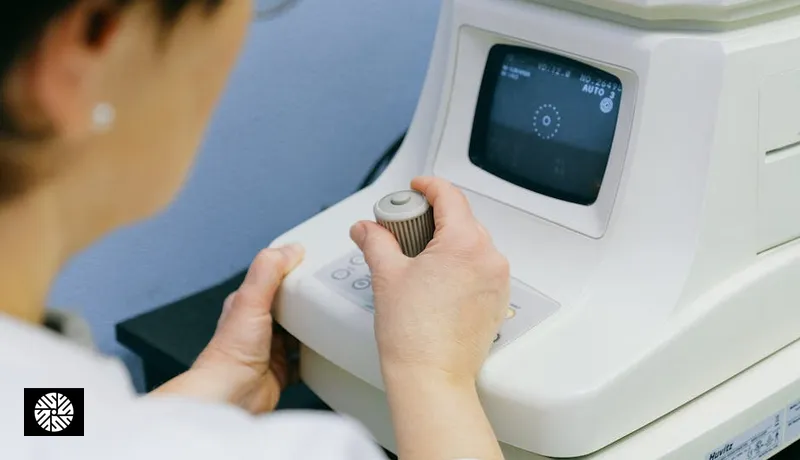
Hardware quality matters too. Most screening hospitals operate at 3 Tesla — the gold standard for soft-tissue imaging — and a few have started rolling out 7 Tesla research-clinical hybrid units. For more on the imaging side specifically, see our deep dive on Taiwan's 3T MRI infrastructure.
The published research base
One reason to take Taiwan's preventive category seriously is that it sits on top of a serious academic literature. The NHI Research Database (NHIRD) — derived from the single-payer system — has supported thousands of peer-reviewed publications. A few representative threads worth knowing about:
- Cheng SH et al. have published extensively on the structural mechanics of NHI integration and the system's downstream impact on chronic disease management. Their work in Health Affairs and Health Policy establishes the system-level efficiency that under-girds the cost basis
- Chen TW and colleagues have produced multi-year longitudinal screening epidemiology studies, leveraging the NHIRD's sheer depth to track outcomes over decades — the kind of dataset that simply does not exist in fragmented insurance markets
- Taiwan's role in HCC (hepatocellular carcinoma) screening protocols is internationally recognized — the country pioneered population-level alpha-fetoprotein and liver ultrasound screening for hepatitis B carriers and continues to set protocol standards
- The country's universal HPV vaccination program has produced cervical cancer incidence data that is now cited in U.S. and EU prevention guidelines
This matters because it means the screening protocols offered to international cash-pay patients are not improvised — they are descended from a clinical research culture with three decades of population-scale data behind it. The radiologists reading your scans trained inside a system where their reading patterns were continuously audited against outcomes recorded in a national database. That feedback loop is rare globally.
For the AI-assisted reading layer that increasingly augments radiologist interpretation, see how AI health screening in Taiwan is redefining accuracy.
What separates preventive from soft-wellness
The category has a dilution risk worth naming directly. As "longevity" and "preventive medicine" became consumer-marketing categories over the last five years, a soft-wellness fringe emerged that uses the language without delivering the clinical substance. The signs that a "screening" experience is closer to spa than medicine:
- No board-certified radiologist signature on imaging reports — readings done by a generalist or, worse, by an algorithm without physician sign-off
- Imaging done on legacy 1.5T or refurbished hardware where 3T would be appropriate for the body region
- Biomarker panels heavy on functional medicine markers (heavy metal panels, food sensitivity IgG) without the validated cardiovascular and metabolic markers that have outcome data
- Treatment recommendations dominated by IV drips, supplements, or proprietary "protocols" rather than referrals back to a primary care physician for actionable findings
- Lack of FDA, TFDA, or equivalent regulatory clearance on imaging protocols and laboratory accreditation
The Taiwan partner hospitals New Dawn Health works with sit firmly on the medical side of this line. Imaging protocols are TFDA-cleared and read by board-certified radiologists. Laboratories are CAP- or ISO 15189-accredited. Reports are formatted to international standards and integrate with home physician handoff. The distinction matters because it determines whether your report has clinical credibility when you bring it back to your home team.
Imaging modalities by clinical question
Different imaging modalities answer different clinical questions. A well-designed screening package selects modalities based on the questions worth asking for a particular patient profile, not as a fixed bundle. The matrix below shows the typical mapping:
| Modality |
Primary clinical question |
Why this modality |
| Full-body MRI (T1/T2/DWI/FLAIR) |
Soft tissue cancers, brain lesions, spinal pathology |
No ionizing radiation; superior soft-tissue contrast; DWI catches small lesions |
| Low-dose chest CT |
Lung nodules, pulmonary disease |
Gold standard for lung cancer screening (NLST trial); MRI cannot resolve small lung nodules |
| Coronary calcium score CT |
Cardiac risk stratification |
Quantifies calcified coronary plaque; very low radiation dose |
| Carotid + abdominal ultrasound |
Vascular wall health, thyroid, liver, kidney, pancreas surface |
No radiation; real-time; CIMT is the most sensitive subclinical atherosclerosis marker |
| DEXA |
Bone density, body composition, sarcopenia risk |
The reference standard for osteoporosis diagnosis; visceral fat quantification |
| Mammography or breast MRI |
Breast cancer screening |
Mammography for general screening; breast MRI for dense breast tissue or BRCA carriers |
| Endoscopy + colonoscopy |
Upper GI and colorectal pathology |
Direct visualization; biopsy capability; gold standard for colorectal cancer screening |
A package that includes every modality on this list for every patient is over-fitting. A package that includes none is under-fitting. The job of the intake physician is to select the appropriate subset based on the patient's age, sex, family history, and personal risk profile — and that intake conversation is itself part of the clinical product.
Patient persona case studies
To make the abstract concrete, three patient archetypes we see most often.
Persona 1: The 47-year-old executive with family history of pancreatic cancer
Mid-career private equity partner based in Singapore, traveling 100,000+ miles annually. His father died of pancreatic adenocarcinoma at 62; his paternal aunt had early-onset breast cancer. He has a U.S. concierge primary care relationship but the screening protocol his concierge offers does not include pancreatic surveillance because population-screening guidelines do not support it. For a high-risk family history patient, however, structured surveillance is the right call.
His Taiwan workup includes full-body MRI with dedicated pancreatic protocol (MRCP), endoscopic ultrasound, CA 19-9, and a cancer-syndrome genetic panel. The findings: a small pancreatic cyst, characterized as a likely branch-duct IPMN with low-risk features, recommended for annual MRI surveillance. He brings the report and DICOM back to his concierge physician, who incorporates the surveillance schedule into her annual planning. Three years later, the cyst remains stable. He has been spared neither anxiety nor procedure — but he has been given a defensible plan.
Persona 2: The 58-year-old couple doing their first joint screening trip
A neurosurgeon and an architect, married 30 years, both in Sydney. They book a five-day Taiwan trip framed internally as a "health summit." Mornings are clinical (separate workups, since their risk profiles diverge), afternoons are recovery and Taipei tourism, evenings are restaurants. His workup catches an asymptomatic lumbar spine finding that is serious enough to warrant surgical consultation back in Sydney; her workup catches early osteopenia that opens a long conversation about peri-menopausal bone strategy with her Sydney GP.
The trip cost less than a single quarter of his Australian private health insurance premium. They schedule the next iteration for 2028.
Persona 3: The recently retired surgeon doing surveillance after his own clinical career
A 67-year-old cardiothoracic surgeon, retired from a 35-year career in Boston. He spent his working life looking inside other people's bodies and now wants the same scrutiny applied to his own. His preferences are explicit: he wants the imaging done on equipment he respects, read by radiologists trained in a serious system, with results he can interpret himself. Taiwan's combination of 3T hardware, board-certified subspecialty radiologists, and clinical workflow that respects his medical literacy maps directly onto what he is buying.
His report becomes the baseline for a five-year surveillance plan he co-designs with his former cardiologist colleague. He returns biennially.
Integration with home physician — what to expect
The single most important workflow detail, and the one that determines whether the screening trip produces lasting value: how the report integrates back into your home care. Realistic expectations matter here, because home physicians vary widely in how they receive external reports.
What works:
- Schedule the home physician handoff appointment before you travel. Book a 30-minute slot with your PCP for 2–3 weeks after you return, framed as "I'm going to bring back a screening report from a Taiwan partner hospital and would like to walk through it with you"
- Bring the report in three formats. A printed PDF for the conversation, the digital PDF for the home physician's records, and the DICOM image files on a USB drive (or via secure transfer) for any radiologist your physician wants to consult
- Pre-translate any non-English elements. Modern Taiwan partner hospitals deliver reports in fluent English — but verify before you fly home that this is the case for your provider
- Lead with the actionable findings. Most physicians do not have time to read a 40-page report cover-to-cover during a 30-minute appointment. The Taiwan debrief gives you a one-page summary; lead with that
What does not work:
- Mailing the report cold to your physician's office without a scheduled appointment to discuss it
- Expecting your home physician to act on findings without their own clinical confirmation — they will, appropriately, want to repeat key findings on their own equipment if treatment is being considered
- Treating the Taiwan report as a substitute for ongoing primary care
The home physician's job is to be your longitudinal medical home. The Taiwan trip's job is to give that physician richer baseline data than they would otherwise have access to. The two are partners, not competitors.
Why this isn't medical tourism in the traditional sense
The traditional medical tourism model — exemplified by Bumrungrad in Bangkok — is procedure-and-recovery. Patient flies in for cardiac surgery, knee replacement, IVF, dental implants. Stays in a hotel-hospital hybrid for the duration. Flies home with the procedure complete. The economics work because procedure costs in the destination country are 30–70% lower than at home, and the patient is buying a one-time procedural outcome.
Taiwan's preventive screening model is different in every dimension:
- Output: data and a plan, not a completed procedure
- Duration: a half-day clinical workup, not a multi-day inpatient stay
- Recovery: none — the patient walks out and goes to dinner
- Continuity: integrates with home care, does not replace it
- Cadence: repeat every one to three years, building a longitudinal dataset over decades
This is closer to a financial audit relationship than to traditional medical tourism. You bring in an independent senior team, once a year or every other year, to look at the books with fresh eyes. You leave with a report. Your day-to-day operations continue with your usual team, now better informed. For a deeper structural comparison with the alternative model — Asia's fragmented multi-clinic systems — see Taiwan's one-stop medical centers vs Asia's fragmented systems.
The "Beyond Beauty" framing — why Taiwan markets quietly
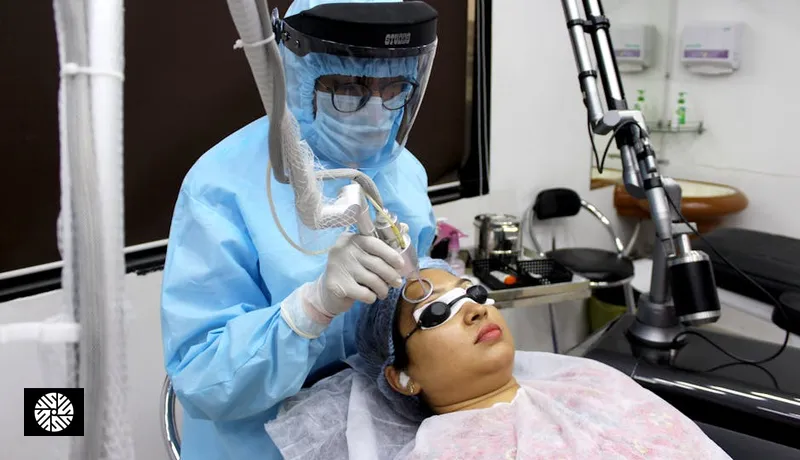
Taiwan does have a beauty tourism stream — laser, injectables, dental aesthetics — and it is well-served by clinics like iHope (a partner of ours for medical aesthetics). But that is a parallel market. The preventive screening market exists for a different patient: someone in their 40s–60s who has time, means, and a longevity orientation. The patient profiles we see most:
- Mid-career executive, traveling 100k+ miles a year, wanting a structured yearly baseline
- Recently retired professional with discretionary time, anxious about cancer family history, wanting actionable data
- Couple in their 40s planning a long-term health strategy, doing screenings together as a "health summit" trip
- Adult child arranging a screening trip for an aging parent, often combining with a Taiwan family visit
"The framing 'medical tourism' undersells it. I came for a screening, not a vacation. The fact that I could spend a long weekend at Sun Moon Lake afterward was a bonus, not the reason." — Eileen W., 40, executive coach, New York
If you do want the screening-and-travel framing — because the trip is also a trip — see why Taiwan balances care and travel. The two framings are compatible. They are simply optimized for different parts of the same patient.
Closing — what the category is, and isn't
Taiwan's preventive screening category is, in the end, a quiet bet on a particular kind of patient. It is not for someone seeking a procedure, an aesthetic outcome, or a wellness retreat. It is for someone who wants the highest-resolution snapshot of their current biology that medicine can currently produce, delivered in a single morning, by clinicians trained inside a system with three decades of population-scale data, and integrated with the home physician relationship that will carry the patient through the next decade.
The CEOWORLD ranking and the imaging hardware density and the NHI research base are not the product. They are the structural conditions that allow the actual product — clinical clarity — to be delivered at a price and quality combination that does not exist in the patient's home market. That is the category. That is why Taiwan, despite the absence of magazine covers, sits at the top of it.
For specific package tiers and partner hospitals, see our screening packages and partner network.
Sources & Further Reading
Frequently asked questions
 Blog
Blog