
Who This Guide Is For
Most "things to do in Taiwan" lists are written by tour operators, and it shows: forty attractions, zero opinions, and a booking button under every paragraph. This is not that. New Dawn Health is a health-screening platform — our booking button involves an MRI, and it appears in exactly one section near the end, clearly labeled. The rest of this guide is just what we tell friends who visit.
Here is the one thing to understand before anything else: Taiwan rewards density. The island is smaller than West Virginia, the high-speed rail runs the length of its west coast, and within that footprint you get high mountains, Pacific coastline, hot-spring valleys, and arguably the best street food in Asia. You do not need three weeks. A well-planned five to seven days covers more ground here than it would almost anywhere else. If you are still at the "wait, where exactly is Taiwan?" stage, start with our orientation guide, then come back.
Taipei and Around
Taipei is where you will land and probably where you will sleep most nights. It is a dense, safe, extremely walkable city with an MRT system that makes everything below reachable without a car. If you only have a weekend here, we have a two-day Taipei plan that sequences most of this section.
Night Markets: Raohe and Shilin
Raohe is the better first night market: one straight lane next to Songshan MRT station, so you cannot get lost, and the black pepper buns baked in clay ovens at the temple-side entrance usually have a line for a reason. Shilin (near Jiantan MRT) is the biggest and most famous — go for the sprawl and the underground food court, but expect more tourists than locals. Either one fills an evening.
Beitou Hot Springs
Beitou is a volcanic hot-spring valley inside Taipei's city limits — on the Red Line from Taipei Main Station, with a transfer at Beitou station to the one-stop branch line to Xinbeitou. The steaming, jade-green Thermal Valley is free to view, the public bath costs pocket change, and the historic Hot Spring Museum explains why the Japanese built a spa town here during their colonial rule. Half a day is enough; bring a swimsuit for the public pools.
Elephant Mountain
The postcard view of Taipei 101 comes from Xiangshan (Elephant Mountain), a steep staircase trail starting a short walk from Xiangshan MRT station. The climb to the famous boulders is short but sweaty, and sunset is the payoff slot — arrive early on weekends if you want a spot on the rocks. It is free, it is outdoors, and it beats the paid observatory for photographs.
Jiufen Day Trip
Jiufen is a former gold-mining town stacked on a mountainside northeast of Taipei, all narrow lantern-lit alleys and teahouses overlooking the sea. Take a direct bus from central Taipei or the train to Ruifang plus a short bus ride. Go mid-afternoon on a weekday and stay until the red lanterns switch on at dusk — that hour is the entire point, and weekends get shoulder-to-shoulder.
National Palace Museum
The National Palace Museum in Shilin holds one of the world's great collections of Chinese imperial art — the pieces that left the mainland at the end of the Chinese Civil War. It is genuinely world-class and genuinely large; budget two to three hours and do not try to see everything. Take the MRT to Shilin and then a short bus or taxi up the hill, and check whether the famous Jadeite Cabbage is on-site or touring before you promise it to anyone.
Nature: The Part That Surprises People
Visitors expect the food. They do not expect how much of Taiwan is mountains, or that the scenery competes with places that get far more visitors. We wrote a full guide to Taiwan's best natural spots; the short version follows.
Taroko Gorge
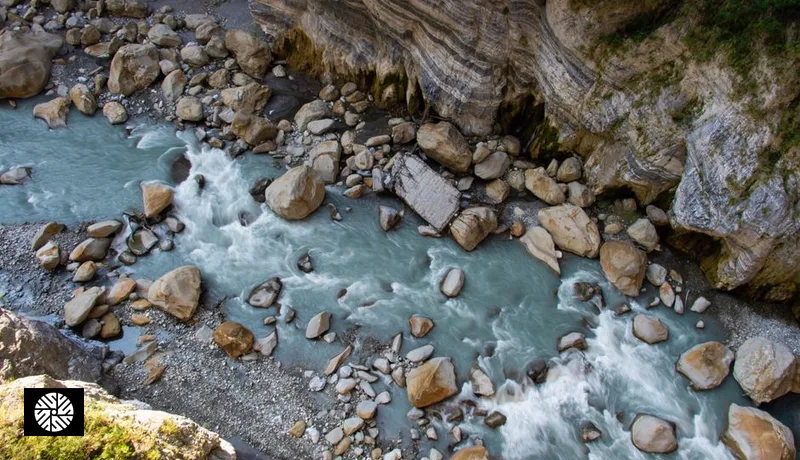
A marble canyon on the east coast where cliffs rise hundreds of meters above a turquoise river, reachable by train to Hualien plus a shuttle or driver. The honest caveat: the April 2024 earthquake hit the gorge hard. Shakadang Trail, Swallow Grotto and the Baiyang Trail were among the worst-damaged areas, and in April 2025 the park's management office said they were still under assessment. Other trails reopen in stages and close again after typhoons — the park headquarters reopened its ecological-protection-area trails on 29 August 2026 while keeping Zhuilu Old Road and Mt. Qingshui shut. Check the park's current notices before you build a day around it.
Sun Moon Lake
Taiwan's largest lake sits in the central mountains, ringed by temples, cycling paths, and a ropeway. The practical route is high-speed rail to Taichung, then a direct bus up into the mountains. Rent a bike and ride the lakeside path in the morning before the day-trip buses arrive — the western shore section is the one the cycling magazines photograph.
Alishan Sunrise
Alishan is a high-mountain forest area famous for one specific ritual: waking before dawn, riding a small train to a viewing platform, and watching the sun rise over a sea of clouds. It only works if you sleep in the Alishan area the night before — it is a long bus climb from Chiayi, so this is a committed overnight, not a day trip. The ancient cypress trails you walk afterward are half the reason to go.
The East Coast
The Hualien-to-Taitung stretch is Taiwan with the volume turned down: Pacific cliffs, rice valleys, and almost no crowds. This is the one region where renting a car (or a scooter, if licensed) genuinely beats public transport, because the best stops are unmarked pullouts on Highway 11. Give it two days if you have them; it is the part of the trip people say they wish they had extended.
Food: The Actual Reason Many People Come
The Night-Market Crawl
Treat a night market as a progressive dinner: five or six stalls, one item each, split everything if you are two or more. The reliable pattern is to join the longest line run by the oldest person — sophisticated food criticism is not required.
Beef Noodle Soup
Taiwan's unofficial national dish: slow-braised beef, chewy wheat noodles, and a broth that shops guard like state secrets. The cluster of famous shops around Yongkang Street is the easy starting point — walkable from Dongmen MRT station.
Breakfast Culture
Taiwan does breakfast as a dedicated genre: warm soy milk, flaky shaobing flatbread wrapped around a fried cruller, egg crepes, and sticky-rice rolls, mostly served in the morning from shops that have done nothing else for decades. Pick any busy neighborhood breakfast shop and order by pointing. The famous ones have hour-long lines; the one on your corner is nearly as good with none of the wait.
Bubble Tea, at the Source
Bubble tea was invented in Taiwan — Taichung's Chun Shui Tang teahouse is the most cited claimant, with a Tainan shop running a friendly counter-claim. Drinking one at the claimed origin is a low-effort pilgrimage if you are passing through Taichung anyway for Sun Moon Lake. Expect fresher tea and less syrup than the export version.
Culture and Quirks
Temples That Are Actually Alive
Taipei's Longshan Temple is not a museum piece — it is a working temple where locals queue with incense from early morning, and visitors are welcome to walk through respectfully. Entry is free; go early or in the evening when it is busiest with worshippers rather than cameras. Watch people throwing the crescent-shaped divination blocks and you will want to learn the rules.
Convenience-Store Civilization
Taiwan has one of the densest convenience-store networks on earth, and 7-Eleven and FamilyMart here function as cafés, bill-payment counters, package depots, and legitimate dinner options. Locals are not being ironic when they recommend the tea eggs. Your EasyCard (the transit card) pays at all of them, which removes the last excuse to carry cash.
YouBike
Taipei's shared-bike system has stations every few blocks, costs almost nothing for short hops, and the riverside bike paths are some of the best urban cycling in Asia. Register once in the YouBike app with a credit card, then ride from the day you land. The Tamsui riverside route at sunset is the classic first ride.
Hot-Spring Etiquette
If you graduate from Beitou's swimsuit pools to a traditional bathhouse, know the rules: wash thoroughly at the seated showers before entering, no swimwear in the nude gender-separated baths, and tie up long hair. Nobody will lecture you, but everybody notices. It takes one visit to convert most skeptics into people who plan trips around soaking.
The Unexpected Add-On: A Health Checkup
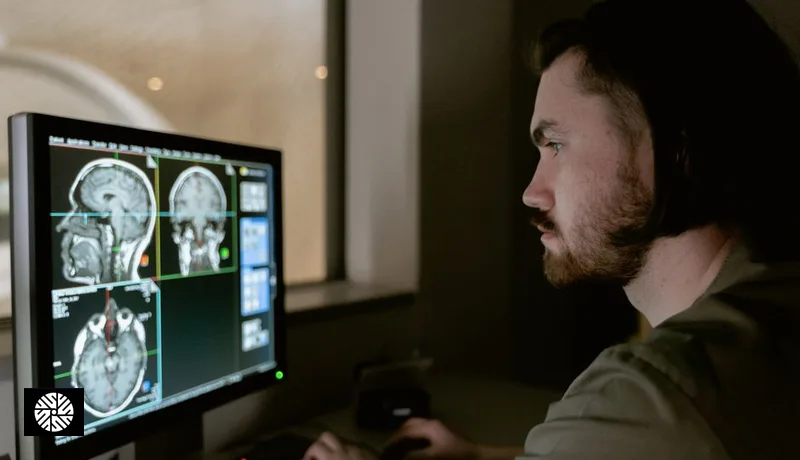
Here is the one section where we talk about what we actually do. A Taiwan trip has room for a single morning of preventive screening, with a written English report. Through New Dawn Health, Convenient — a 1.5-hour holistic exam at iHope Clinic in Taipei — is $299, and Light, our entry Full-Body MRI package, is $1,399 including a doctor's debrief; see all screening packages — with scheduling built for international visitors and a coordinator who confirms preparation details when you book. If the idea of pairing noodle soup with an MRI sounds strange, our guide for US travelers walks through exactly how people fit it into a vacation. That is the whole pitch; back to the trip.
When to Go
The sweet spot is October through April: milder weather and no typhoons. Late spring brings the plum-rain season, and high summer is genuinely hot and humid, plus the typhoon season, which can cancel east-coast plans at short notice. Summer is still workable if you plan around air-conditioning and mountains, but October–December is the answer if you have a choice. One planning note: Lunar New Year (late January or February, dates shift yearly) means closed shops and sold-out trains — check the dates before booking, along with the time-zone math for planning calls home.
Two Itineraries, in Shorthand
Our 3-, 5-, 7- and 10-day itineraries sequence these day by day; the skeletons:
3-day Taipei:
- Day 1 — Longshan Temple, Yongkang Street beef noodles, Elephant Mountain sunset, Raohe night market
- Day 2 — National Palace Museum morning, Beitou hot springs afternoon
- Day 3 — Jiufen day trip, back for one last night-market round
7-day loop:
- Days 1–3 — the Taipei plan above
- Days 4–5 — high-speed rail to Taichung, bus to Sun Moon Lake, overnight
- Days 6–7 — either Alishan for the sunrise (overnight) or the east coast for Taroko (status permitting) and Highway 11 — not both; crossing the mountains between them eats the days
Before You Land
Two practical reads that save first-timers real friction: our airport and entry guide covers arrival cards, getting downtown from Taoyuan, and picking up an EasyCard in the terminal; and if the trip gets you thinking about staying longer, the cost-of-living and safety breakdown covers what daily life here actually costs. Beyond that, the honest advice is to under-plan slightly. Taiwan's short distances mean a wasted morning costs you little, and the best parts of most people's trips — the alley restaurant, the unplanned hot spring, the temple festival you walked into — were never on the list.
Sources
- Public Television Service (PTS) — Taroko one year after the earthquake: Shakadang, Swallow Grotto and Baiyang Trail still under assessment (2025-04-02) (accessed 2026-10-14)
- Taiwan Hiking (Taroko National Park Headquarters notice) — Trails within the Taroko National Park Ecological Protection Area reopened from 00:00, 29 August 2026 (accessed 2026-10-14)