What is a tumor?
A tumor is an abnormal mass of tissue that forms when cells grow and divide more than they should. The word itself says nothing about cancer. What matters is whether the mass is benign (not cancer) or malignant (cancer).
- Does not invade nearby tissue or spread
- Often grows slowly and stays stable
- Can still press on an organ or make hormones, and some need treatment
- Can invade nearby tissue and spread — this is what cancer means
- Needs prompt evaluation, usually including a biopsy
Do tumors cause symptoms?
Many cause none. A mass usually stays silent until it presses on something, blocks a passage, or disturbs how an organ works. Symptoms depend entirely on where it is.
What raises the risk of a tumor?
Many tumors appear with no identifiable cause. The most consistent factors are:
- Age — the risk of most tumors climbs with age
- Family history — some tumor types run in families through inherited genes
- Radiation exposure — high or repeated doses can damage DNA in cells
- Chronic inflammation — long-running irritation or infection can drive abnormal growth
These shift the odds; they do not decide them. Plenty of people with several risk factors never develop a worrying tumor.
How imaging finds and judges tumors
There is no single scan for every tumor. The test is chosen for the organ and the question:
| Organ | Usual first test | Note |
|---|---|---|
| Liver, kidneys, gallbladder | Abdominal ultrasound | CT or MRI is used to characterize a mass it finds |
| Thyroid | Thyroid ultrasound | For a lump or symptoms; not recommended as a routine screen |
| Lungs | Low-dose lung CT | Screening for people who meet smoking or family-history criteria |
| Breast | Mammography | The proven breast screen; ultrasound or MRI is added for some women |
| Many regions at once | Full-body MRI | No documented benefit for average-risk people without symptoms, risk factors or a suggestive family history (ACR 2023) |
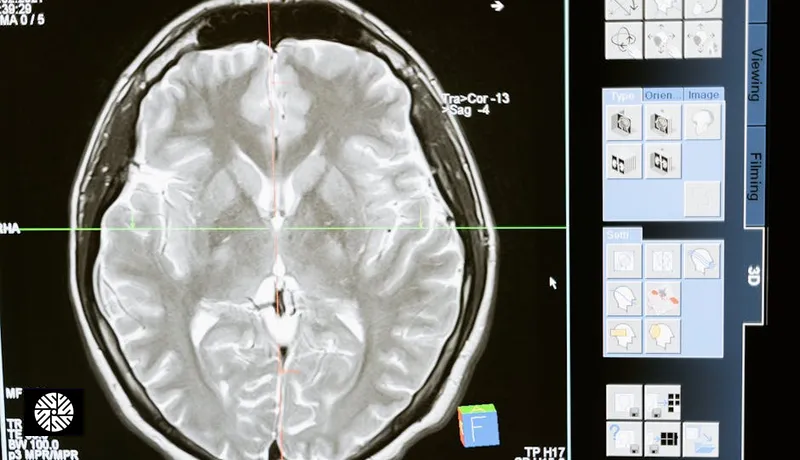
A mass is judged by its size, borders, makeup and whether it changes over time. An image alone often cannot settle whether it is benign or malignant. That is when a dedicated scan, a repeat scan or a biopsy comes in.
What to do now
- A first seizure or sudden, severe headache: call 119 in Taiwan, as above.
- A lump that grows, unexplained weight loss, or a symptom that persists: see a doctor soon. Symptoms decide which test is right.
- No symptoms: the screens with proven benefit are cancer-specific; the cancer page lists who they are for.
- A mass already found: follow the plan for that organ, whether repeat imaging, a dedicated scan or a biopsy.