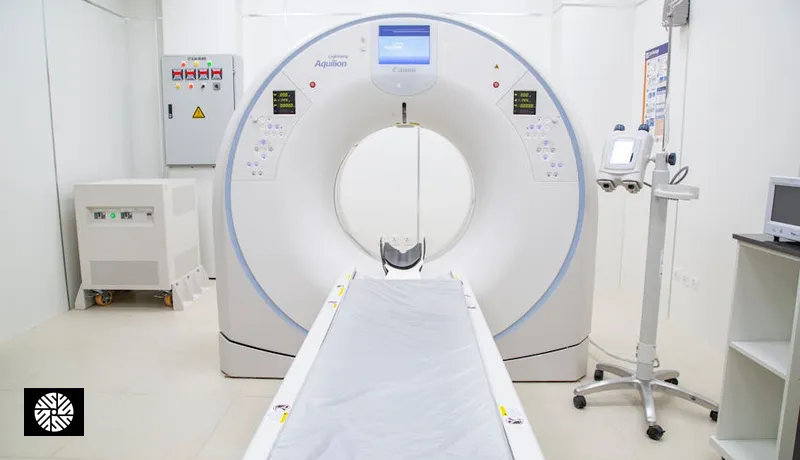
What is heart disease?
Heart disease usually means coronary artery disease: fatty plaque building up inside the arteries that supply the heart muscle. It is the leading cause of death worldwide. If a plaque ruptures and a clot forms on it, blood flow can stop, and part of the heart muscle is starved of oxygen. That is a heart attack.
Stroke shares many of the same risk factors, but it is not simply the same disease in the brain. Some strokes come from clots formed in an irregular heart, and some from bleeding. The stroke page covers those differences.
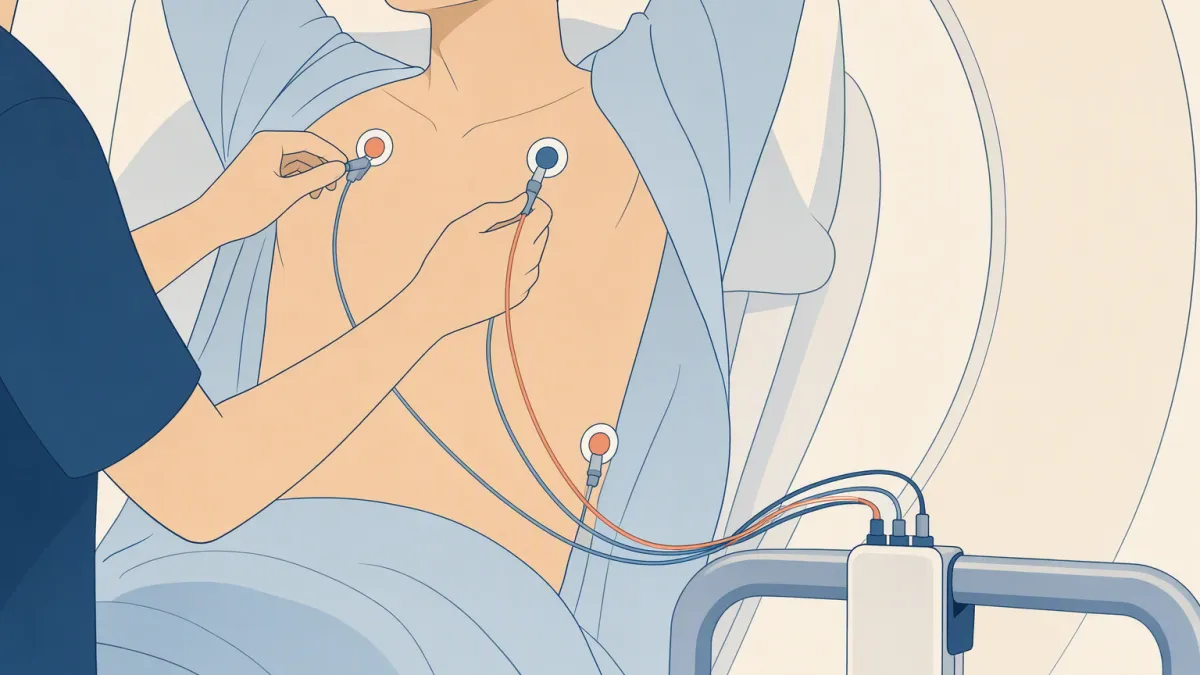
Why heart disease is often found late
Plaque can build for years without any symptom. For some people the first sign is the heart attack itself. Symptoms are also an unreliable gauge: some people with badly narrowed arteries feel nothing, and chest pain does not always mean a blockage.
What raises your risk
| Type | Risk factors |
|---|---|
| Can be changed | High LDL cholesterol, high blood pressure, smoking, diabetes, excess weight, inactivity |
| Cannot be changed | Older age, male sex, a family history of early heart disease |
Having a risk factor does not mean plaque is already there. Having none does not guarantee clear arteries. That gap is where a measurement of the artery can sometimes help.
How heart disease risk is assessed
-
1Risk assessment firstBlood pressure, cholesterol, blood sugar and smoking go into a calculator (PREVENT, in the 2026 ACC/AHA guideline, US). It estimates 10-year risk as low, borderline, intermediate or high. A family history of early heart disease is weighed alongside it.
-
2A calcium score, for someThe same guideline suggests it selectively: men from 40 and women from 45 with borderline or intermediate risk, when the result would help decide on a statin.
-
3Further tests, for symptomsA coronary CT angiogram or a stress test is a diagnostic step when there are symptoms or a specific question — not a screen.
A heart calcium score measures calcified plaque. Under the 2026 guideline, any detectable calcium supports a lower cholesterol target. Under the 2018 ACC/AHA guideline (US), a score of zero lowers estimated risk. It does not cancel treatment for people who smoke, have diabetes or a strong family history of early heart disease.
- Your estimated 10-year risk, from the blood panel and other numbers
- Calcified plaque, as one number, in selected people
- Soft, non-calcified plaque. A coronary CT angiogram images it, when a clinician needs that answer.
- How narrow an artery is. A coronary CT angiogram or catheter angiography shows the narrowing; a stress test shows whether it limits blood flow.
- Whether you will have a heart attack. A normal result is not a guarantee.
Lowering your risk
Most of what drives coronary disease can be changed. Controlling blood pressure and cholesterol, not smoking, staying active and managing blood sugar all lower risk. A screening result usually feeds into a prevention plan; whether any procedure is needed is a cardiologist's decision.
- Chest pain, sudden breathlessness or collapse: call 119 in Taiwan, as in the box above.
- New chest discomfort or breathlessness on exertion that settles with rest: see a doctor soon. That is a diagnostic question, not a screening one.
- No symptoms: know your blood pressure, cholesterol and blood sugar, and ask whether your risk is uncertain enough for a calcium score to change a decision.