
No screening test sees the whole body. Each one answers a narrow question well and is blind to others. The tables below, one per kind of test, cover the 21 tests in our health screening wiki: what each is best at, what it misses, its radiation dose and how to prepare. Each test name links to its full guide.
What does each screening test find, and what does it miss?
MRI scans
| Test | Best at | Cannot see or misses | Radiation (natural background equivalent) | Preparation |
|---|---|---|---|---|
| Full-body MRI | A radiation-free survey of soft tissue: brain, spine, and abdominal and pelvic organs. | Lung abnormalities; RadiologyInfo says chest CT is preferred for the lungs. The heart arteries: our protocol covers the head, neck, abdomen, pelvis and whole spine. Colon polyps. A 2019 review pooled critical or indeterminate incidental findings in about 32% of people scanned, with wide variation between protocols. | None. MRI uses no X-rays. | A metal and implant safety check; bring any implant card. About 1 in 20 people may need a mild sedative to stay calm. |
| Single-region MRI (brain, spine or one joint) | Detail in one area: the brain, the spine, or tears of the menisci, ligaments and tendons in a joint. | Anything outside the scanned area. Findings are common without symptoms: disc bulges appear in 30% of pain-free 20-year-olds and 84% of pain-free 80-year-olds. | None. | The same metal check. Booked with or without gadolinium contrast. |
| Brain MR angiogram | Mapping the brain's arteries for aneurysms, narrowing and malformations. | The brain tissue itself; a brain MRI reads that. Small vessels can be hard to assess, and some arteries look less clear than on catheter angiography. Calcium in vessel walls. | None. | The same metal check. It may or may not use contrast. |
CT scans
| Test | Best at | Cannot see or misses | Radiation (natural background equivalent) | Preparation |
|---|---|---|---|---|
| Low-dose lung CT | Lung nodules and early lung cancer in people who meet the criteria. In the NLST trial it cut lung-cancer deaths by 20% compared with chest X-ray. | Whether a nodule is cancer; more than 95% of nodules are not. Organs below the chest. Some cancers it finds would never have caused harm. | 1.5 mSv (about 6 months) | No contrast. A few short breath-holds. Tell staff if you could be pregnant. |
| Heart calcium score | Calcified plaque in the heart arteries, reported as one score. | Soft, non-calcified plaque, especially under age 50. Whether an artery is narrowed. | 1.7 mSv (about 6 months) | No injection. RadiologyInfo advises no food, caffeine or smoking for 4 hours. |
| Coronary CT angiogram | Plaque of any type, and narrowing, in the heart arteries, for a question such as chest pain. | Heavy calcium or an irregular heartbeat can make the images hard to read. | 8.7 mSv (about 3 years) | Iodine contrast through an IV, after a kidney and allergy check. Fast for several hours, skip caffeine, and avoid Viagra-type drugs. |
Ultrasound
| Test | Best at | Cannot see or misses | Radiation (natural background equivalent) | Preparation |
|---|---|---|---|---|
| Abdominal ultrasound | Gallstones, kidney stones and liver changes such as cirrhosis. It detects moderate-to-severe fatty liver with about 85% sensitivity. | Air-filled bowel, and organs hidden behind it. Large body size lowers image quality. | None. | Often no food or drink for several hours; the clinic sets the time. |
| Thyroid ultrasound | Thyroid nodules, including ones too small to feel, and the features that rate their suspicion. | How well the gland works; a blood test measures that. Whether a nodule is benign or cancer, with certainty; a needle biopsy may follow. The USPSTF recommends against screening adults without symptoms. | None. | Little or none. |
| Carotid ultrasound | Narrowing in the neck arteries, and the blood flow through them. | The part of the artery near the skull base. Small amounts of soft plaque. Heavy calcium can block the view. The USPSTF recommends against screening adults without symptoms (grade D, 2021). | None. | Little or none. Wear an open collar. |
Other X-ray tests
| Test | Best at | Cannot see or misses | Radiation (natural background equivalent) | Preparation |
|---|---|---|---|---|
| Breast imaging (mammogram and ultrasound) | The mammogram is the main breast screening test and shows calcifications. Ultrasound tells a fluid-filled cyst from a solid lump and helps in dense breasts. | Mammograms do not detect all cancers, and dense tissue can hide them. 5–15% of screening mammograms need more tests. Many cancers are not visible on ultrasound, and it does not replace mammography. | Mammogram 0.28 mSv (about 34 days). Ultrasound and breast MRI: none. | No deodorant, powder or lotion on the breasts or underarms that day. |
| DEXA scan | Bone density at the hip and lower spine, as a T-score; −2.5 or below is the osteoporosis range. | Who will break a bone; it gives a relative risk only. Results from different machines cannot be compared directly. Limited use after spinal surgery or with a spinal deformity. | 0.001 mSv (about 3 hours) | No calcium supplements for 24 hours. A recent barium or contrast exam may mean waiting 10 to 14 days. |
Endoscopy
| Test | Best at | Cannot see or misses | Radiation (natural background equivalent) | Preparation |
|---|---|---|---|---|
| Gastroscopy and colonoscopy | Seeing the lining directly. Colonoscopy finds polyps and cancer, and removes polyps in the same procedure. Gastroscopy finds reflux disease, celiac disease and cancer, and takes tissue samples. | Some polyps: a review of tandem colonoscopies found 26% of adenomas and 9% of advanced adenomas missed. Organs outside the digestive tract. | None. It uses a camera, not X-rays. | Laxative bowel prep and clear liquids before a colonoscopy. Up to 8 hours without food before a gastroscopy. A ride home after sedation. |
Blood, DNA and stool tests
| Test | Best at | Cannot see or misses | Radiation (natural background equivalent) | Preparation |
|---|---|---|---|---|
| Comprehensive blood panel | Blood sugar (fasting glucose and HbA1c), cholesterol, liver and kidney function, and the blood count. | What an organ looks like. Cancer screening: blood tests are not among the USPSTF colon screening tests. One abnormal value usually needs more tests before a diagnosis. | None. | A fasting glucose needs at least 8 hours without food. HbA1c needs no fasting. |
| Tumor markers | Checking whether a known cancer has come back after treatment. | Many cancers: not everyone with a cancer has a raised marker, and harmless conditions can raise one. The US National Cancer Institute says they do not work well for screening. | None. | Smokers may be asked to stop for a while before a CEA test. |
| Allergy blood test | Specific IgE to the allergens your symptoms point to. | A high result means you may be allergic, not that you are. IgG "food sensitivity" panels are unproven for allergy or intolerance, says the AAAAI. | None. | No special preparation. Ask the clinic about antihistamines: MedlinePlus says you may need to stop them, while ACAAI says medicine does not affect blood results. |
| Gut microbiome test | A list of the microbes in one stool sample. | What "normal" is: an expert consensus found too little data for strict healthy ranges, and too little evidence for routine clinical use. It is not a colon cancer screen. | None. | Keep your usual diet and medicines. List every drug taken in the past three months. |
| Whole genome sequencing | Uncommon, actionable inherited risks in the 84 genes on the ACMG list, such as BRCA1, BRCA2, the Lynch syndrome genes and the familial hypercholesterolemia genes. Carrier status, where the report includes it. | A cancer you already have; only about 5–10% of cancers are inherited. The meaning of much of what it reads is still unknown. | None. | Genetic counseling is generally recommended before testing. |
Exams and monitors
| Test | Best at | Cannot see or misses | Radiation (natural background equivalent) | Preparation |
|---|---|---|---|---|
| Prostate exam | The PSA blood test, read in context. The USPSTF calls screening at 55 to 69 an individual decision. | The cause of a high PSA: an enlarged prostate, inflammation or infection also raise it. Only a biopsy diagnoses cancer. The USPSTF does not recommend a rectal exam for screening. | None. | No ejaculation or vigorous exercise such as cycling for 2 days before the blood draw. |
| Dry eye exam | Finding what drives dry eye: the oil layer, tear volume, blinking and the eyelid glands. | Confirming dry eye on its own: TFOS requires symptoms plus an abnormal tear break-up time, tear osmolarity or staining. The retina, optic nerve and eye pressure. | None. It uses light, not X-rays. | Ask when booking whether to skip eye drops and contact lenses. |
| Fertility assessment | Checkable causes of difficulty conceiving. AMH predicts egg yield in IVF; an HSG shows whether the tubes are open. | Natural fertility: ASRM says AMH should not be used as a fertility test for women who are not infertile or whose fertility is untested. An HSG does not assess the ovaries or sperm. | None, except an HSG, which uses X-rays. RadiologyInfo's dose table gives no HSG figure. | An HSG is done about 7 to 10 days after a period starts. |
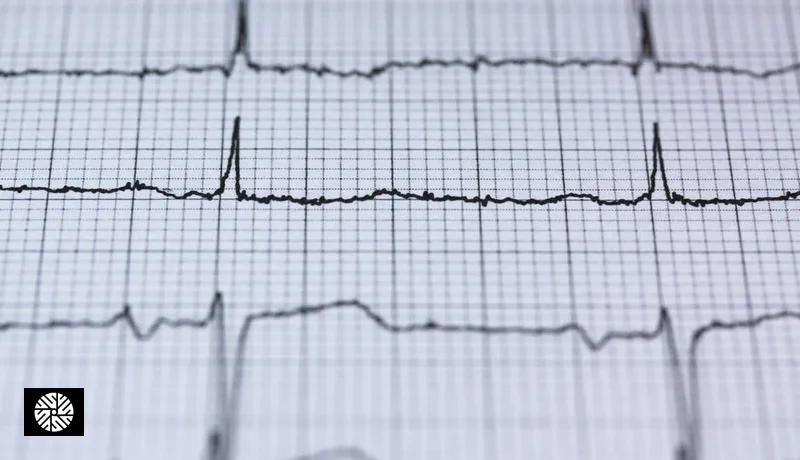
| Home sleep and heart-rhythm patch | Catching heart-rhythm changes that come and go, over 3 or 7 days at home. | Diagnosing sleep apnea: the AASM recommends a sleep study or a technically adequate home sleep apnea test for that. The recording is read after you return the patch. | None. | Note the time of any symptom. |
The radiation figures are RadiologyInfo's typical doses for an adult. RadiologyInfo puts natural background radiation at about 3 mSv a year for a person in the US. Your own dose varies with your body size, the scanner and the protocol.
For scale, RadiologyInfo puts a chest X-ray at 0.1 mSv (10 days), a head CT at 1.6 mSv (7 months), and a CT of the abdomen and pelvis at 7.7 mSv (2.6 years). Our guide to CT radiation dose explains what these numbers mean.
Which tests cover each other's blind spots?
Each question in the body has a test built to answer it. A test that is excellent elsewhere can be blind to it.
| Question | Test that answers it | Tests that do not |
|---|---|---|
| Lung nodules | Low-dose lung CT, for people who meet the criteria | Full-body MRI; chest CT is preferred for the lungs |
| Calcified plaque in the heart arteries | Heart calcium score | Full-body MRI; our protocol does not list the heart |
| Soft plaque and narrowing in the heart arteries | Coronary CT angiogram, for a clinical question | Heart calcium score |
| Colon polyps and colon cancer | A stool test (FIT) or colonoscopy; the USPSTF also lists CT colonography, at 6 mSv (about 2 years), and sigmoidoscopy | Full-body MRI, blood tests, tumor markers and microbiome tests; none is on the USPSTF list |
| Breast cancer | Mammogram | Breast ultrasound alone; full-body MRI, as our protocol does not list the breasts |
| Thyroid function | Thyroid blood test | Thyroid ultrasound, which shows structure |
| A cancer you have now | The screening test proven for that organ | Whole genome sequencing, which reads inherited risk |
Who qualifies for lung screening differs by country:
- US (USPSTF, 2021): a yearly low-dose CT for adults 50 to 80 with a 20 pack-year smoking history who still smoke or quit within the past 15 years.
- Taiwan (Health Promotion Administration): a low-dose CT every 2 years for smokers aged 50 to 74 with at least 20 pack-years who are willing to quit or quit within the past 15 years. Men 45 to 74 and women 40 to 74 whose parent, child or sibling had lung cancer also qualify.
A longer list of tests is not automatically better. Each scan brings its own findings to chase. In a 2019 review of 5,373 people without symptoms, whole-body MRI found critical or indeterminate incidental findings in about 32% (pooled; it varied widely between protocols). Our guide to what happens when a scan finds something explains the next steps. The American College of Radiology does not recommend total body screening for people without symptoms, risk factors or a relevant family history.
Does a normal result mean I am healthy?
No. A normal result means the test saw nothing it is able to see, on that day.
- A calcium score of zero: RadiologyInfo says non-calcified plaque may not be detected, especially in people under 50.
- A normal mammogram: RadiologyInfo says mammograms do not detect all breast cancers.
- Normal tumor markers: the US National Cancer Institute says not everyone with a cancer has a raised marker.
- A normal whole-body MRI: none of the 12 studies in a 2019 review checked negative results beyond five years. The authors wrote that verification data are lacking.
- Any normal result: screening works as a repeated test. The USPSTF interval runs from 1 year for a FIT to 10 years for colonoscopy.
A new symptom needs a doctor, whatever an earlier test showed. Our review of what the evidence shows for whole-body MRI covers what a clear scan does and does not rule out.
Which New Dawn Health packages combine these tests?
Our three imaging packages at Central Clinic & Hospital Healthcare Center, in Taipei's Da'an District, build on each other. The dose column adds up RadiologyInfo's typical figures for the X-ray tests in each package.
| Package (ours) | Tests included | Typical X-ray dose | Our price |
|---|---|---|---|
| Light | Full-body MRI, low-dose lung CT, thyroid ultrasound, abdominal ultrasound | 1.5 mSv | $1,399 |
| Complete | Everything in Light, plus a DEXA scan and a heart calcium score | About 3.2 mSv | $1,699 |
| Plus | Everything in Complete, plus a brain MR angiogram, a coronary CT angiogram and a carotid ultrasound | About 11.9 mSv | $3,099 |
A comprehensive blood panel can be added to all three packages. Breast imaging can be added to Complete and Plus. Many tests in the master table can also be booked on their own; each guide lists live prices, and every package is on our health screening page.
Sources
- RadiologyInfo.org (RSNA and ACR) — Radiation Dose in X-Ray and CT Exams, reviewed 2025-04-15 (accessed 2026-10-18)
- RadiologyInfo.org (RSNA and ACR) — Body MRI (accessed 2026-10-18)
- RadiologyInfo.org (RSNA and ACR) — MRI Safety (accessed 2026-10-18)
- RadiologyInfo.org (RSNA and ACR) — General Ultrasound (accessed 2026-10-18)
- RadiologyInfo.org (RSNA and ACR) — MRI of the Chest (accessed 2026-10-18)
- RadiologyInfo.org (RSNA and ACR) — Musculoskeletal MRI (accessed 2026-10-18)
- RadiologyInfo.org (RSNA and ACR) — Magnetic Resonance Angiography (MRA) (accessed 2026-10-18)
- Kwee RM, Kwee TC — Whole-body MRI for preventive health screening: a systematic review of the literature, Journal of Magnetic Resonance Imaging 2019 (accessed 2026-10-18)
- Brinjikji W et al. — Systematic literature review of imaging features of spinal degeneration in asymptomatic populations, AJNR 2015 (accessed 2026-10-18)
- American College of Radiology — ACR Statement on Screening Total Body MRI, 17 April 2023 (accessed 2026-10-18)
- RadiologyInfo.org (RSNA and ACR) — Lung Cancer Screening (accessed 2026-10-18)
- RadiologyInfo.org (RSNA and ACR) — CT of the Chest (accessed 2026-10-18)
- National Lung Screening Trial Research Team — Reduced lung-cancer mortality with low-dose computed tomographic screening, New England Journal of Medicine 2011 (accessed 2026-10-18)
- US Preventive Services Task Force — Lung Cancer: Screening, 2021 (accessed 2026-10-18)
- Health Promotion Administration, Ministry of Health and Welfare (Taiwan) — National cancer screening programs (accessed 2026-10-18)
- RadiologyInfo.org (RSNA and ACR) — Cardiac CT for Calcium Scoring (accessed 2026-10-18)
- RadiologyInfo.org (RSNA and ACR) — Coronary Computed Tomography Angiography (CCTA) (accessed 2026-10-18)
- Alyami B et al. — Non-calcified coronary artery plaque on coronary computed tomography angiogram: prevalence and significance, Tomography 2023 (accessed 2026-10-18)
- RadiologyInfo.org (RSNA and ACR) — Abdominal Ultrasound (accessed 2026-10-18)
- MedlinePlus (US National Library of Medicine) — Abdominal ultrasound (accessed 2026-10-18)
- Hernaez R et al. — Diagnostic accuracy and reliability of ultrasonography for the detection of fatty liver: a meta-analysis, Hepatology 2011 (accessed 2026-10-18)
- RadiologyInfo.org (RSNA and ACR) — Thyroid Ultrasound (accessed 2026-10-18)
- US Preventive Services Task Force — Thyroid Cancer: Screening, 2017 (accessed 2026-10-18)
- RadiologyInfo.org (RSNA and ACR) — Carotid Ultrasound (accessed 2026-10-18)
- US Preventive Services Task Force — Carotid Artery Stenosis: Screening, 2021 (accessed 2026-10-18)
- RadiologyInfo.org (RSNA and ACR) — Mammography (accessed 2026-10-18)
- RadiologyInfo.org (RSNA and ACR) — Breast Ultrasound (accessed 2026-10-18)
- RadiologyInfo.org (RSNA and ACR) — Bone Densitometry (DEXA, DXA) (accessed 2026-10-18)
- NIH / National Institute of Diabetes and Digestive and Kidney Diseases — Colonoscopy (accessed 2026-10-18)
- NIH / National Institute of Diabetes and Digestive and Kidney Diseases — Upper GI Endoscopy (accessed 2026-10-18)
- Zhao S et al. — Magnitude, risk factors, and factors associated with adenoma miss rate of tandem colonoscopy: a systematic review and meta-analysis, Gastroenterology 2019 (accessed 2026-10-18)
- US Preventive Services Task Force — Colorectal Cancer: Screening, 2021 (accessed 2026-10-18)
- NIH / National Institute of Diabetes and Digestive and Kidney Diseases — The A1C Test and Diabetes (accessed 2026-10-18)
- MedlinePlus (US National Library of Medicine) — Comprehensive Metabolic Panel (CMP) (accessed 2026-10-18)
- National Cancer Institute — Tumor Markers fact sheet (accessed 2026-10-18)
- MedlinePlus (US National Library of Medicine) — CEA Test (accessed 2026-10-18)
- MedlinePlus (US National Library of Medicine) — Allergy Blood Test (accessed 2026-10-18)
- American Academy of Allergy, Asthma & Immunology — Allergy Testing (accessed 2026-10-18)
- American Academy of Allergy, Asthma & Immunology — The Myth of IgG Food Panel Testing (accessed 2026-10-18)
- American College of Allergy, Asthma and Immunology — Allergy Testing and Diagnosis (accessed 2026-10-18)
- Porcari S et al. — International consensus statement on microbiome testing in clinical practice, The Lancet Gastroenterology & Hepatology 2025 (accessed 2026-10-18)
- MedlinePlus Genetics (US National Library of Medicine) — What are whole exome sequencing and whole genome sequencing? (accessed 2026-10-18)
- American College of Medical Genetics and Genomics — ACMG SF v3.3 list for reporting of secondary findings in clinical exome and genome sequencing, Genetics in Medicine 2025 (accessed 2026-10-18)
- National Cancer Institute — Genetic Testing for Inherited Cancer Risk (accessed 2026-10-18)
- National Cancer Institute — Prostate-Specific Antigen (PSA) Test (accessed 2026-10-18)
- MedlinePlus (US National Library of Medicine) — Prostate-Specific Antigen (PSA) Test (accessed 2026-10-18)
- US Preventive Services Task Force — Prostate Cancer: Screening, 2018 (accessed 2026-10-18)
- Tear Film & Ocular Surface Society — TFOS DEWS III: Diagnostic Methodology, American Journal of Ophthalmology 2025 (accessed 2026-10-18)
- American Academy of Ophthalmology — Dry Eye Syndrome Preferred Practice Pattern 2023 (accessed 2026-10-18)
- American Society for Reproductive Medicine — Testing and interpreting measures of ovarian reserve: a committee opinion, 2020 (accessed 2026-10-18)
- RadiologyInfo.org (RSNA and ACR) — Hysterosalpingography (accessed 2026-10-18)
- American Academy of Sleep Medicine — Clinical Practice Guideline for Diagnostic Testing for Adult Obstructive Sleep Apnea (Kapur 2017), Journal of Clinical Sleep Medicine (accessed 2026-10-18)
- MedlinePlus (US National Library of Medicine) — Holter heart monitor (24h) (accessed 2026-10-18)
Frequently asked
Which screening tests use no radiation?
MRI, ultrasound and endoscopy use no X-rays, and neither do blood, DNA, stool and eye tests. Of the 21 tests in our table, five use X-rays: the low-dose lung CT, heart calcium score, coronary CT angiogram, mammogram and DEXA scan. An HSG in a fertility work-up also uses X-rays.
How much radiation is a low-dose lung CT compared with a coronary CT angiogram?
RadiologyInfo puts a low-dose lung CT at about 1.5 mSv, roughly six months of natural background radiation. A coronary CT angiogram is about 8.7 mSv, roughly three years. Your actual dose varies with your body size, the scanner and the protocol.
Does a full-body MRI replace a colonoscopy or a mammogram?
No. MRI is not on the USPSTF's list of colon screening tests, which are stool tests, colonoscopy, CT colonography and sigmoidoscopy. Our full-body MRI protocol does not list the breasts, and RadiologyInfo calls the mammogram the best breast screening tool available.
Is a calcium score of zero an all-clear for my heart?
No. RadiologyInfo says non-calcified plaque may not be detected, especially in people under 50, and the score does not show whether an artery is narrowed. A coronary CT angiogram can show plaque of any type when a doctor needs that answer.
Can a blood test screen for cancer?
Not as a general screen. The US National Cancer Institute says tumor markers do not work well for screening, because they miss some cancers and can rise without cancer. PSA is a separate case: the USPSTF calls screening at 55 to 69 an individual decision.